

Enjoy a stress-free Chinese feast with this ultimate guide, packed with practical tips on dish pairing, smart timing, and example menus—so you can host with ease and confidence.

Pin this now to find it later!
Pin ItTable of Contents
Why Do You Need This Guide
I often get questions from my blog readers, but there’s one I hear more than any other: How do you pull off a dinner with multiple dishes and have everything ready at the same time?
I get it—juggling different dishes can feel daunting, especially when you’re aiming for that perfect moment when everything comes together seamlessly. As a fellow home cook, I’ve been there, and I want you to know it’s absolutely doable.
Today, I’m excited to share a complete guide to creating a multi-dish Chinese feast. Whether you’re hosting a special gathering or celebrating an important festival like Chinese New Year, this step-by-step guide will help you plan and execute a delicious, well-balanced dinner with confidence. Let’s make it happen—together!

The Tradition That You Don’t Need to Follow
Before we jump into the actionable tips, I’d like to touch on a longstanding tradition in many Chinese households regarding group dining. Typically, the designated cook (or cooks) doesn’t join the table until every dish is done. It’s commonplace—and acceptable—for the cook to sit down halfway through the meal while everyone else is already enjoying the spread.
That said, I personally prefer to be at the table from the first bite, so my family and friends don’t feel guilty about me missing out. Although my parents more or less followed the traditional way, I’ve found that a bit of planning ensures everyone gets to share in the fun. In the next sections, we’ll dive into exactly how to pull this off.
How to Design a Menu That Actually Works
Let’s start with the most important step: giving yourself plenty of time to plan a “clever” menu. Think of this as the blueprint for a stress-free cooking experience—get it right, and you’re already 80% of the way to success.
Mix Different Cooking Methods
Choose dishes that use various cooking methods—stir-fry, braise, steam, roast, poach, blanch, and maybe one or two no-cook options, such as Smashed Cucumber or Silken Tofu Salad. Try limiting the number of stir-fries that require your full attention and are usually done at the last minute.

Use Every Burner (and Gadget) You Have
Take advantage of all your burners. Steam on one, simmer on another, and stir-fry on a third—all at once. If you have an oven dish in mind, add it too!
Have modern appliances like an Instant Pot, air fryer, or rice cooker? Put them to work as well! Let your Beef Stew simmer away in the Instant Pot while you Pan-fry Dumplings, or replace deep-frying with air-frying for recipes like Spring Rolls.
Consider Various Serving Temperatures
A well-balanced menu also considers serving temperatures: some dishes shine when they’re chilled or at room temperature, others are best warm, and a few need to be served piping hot.
Include Make-Ahead Dishes
Prioritize recipes you can fully or partially prepare in advance, and hold well in the fridge or freezer. This approach saves time and reduces last-minute chaos. For example, if you’re making Lion’s Head Meatballs, you can deep-fry them a day or two before and cook them in broth on the day. Braised Beef Shank stays fresh for up to three days in the fridge, and uncooked dumplings freeze beautifully—no need to defrost before cooking.
How Many Dishes Do You Need?

A good rule of thumb is to match the number of dishes to the number of diners. And if you’re prepare a Chinese New Year Feast, go ahead and plan a slightly bigger meal—this special occasion is all about celebrating abundance and bringing in prosperity. Just remember, eating leftovers are part of the fun, so you won’t be wasting a thing by cooking a little extra.
Note: Three example menus are provided at the end of this post.

How to Make an Actionable Plan
Now that you’ve nailed down which dishes to make, take a moment to think and write up a plan based on the chosen recipes. It might sound like extra work, but this step saves you so much time (and potential chaos) on the big day.
Read the Full Recipe
Don’t just skim the ingredient list—be sure you understand every step and technique. Also, check if you have all the equipment each recipe calls for. Missing a wok? A large skillet can often work just as well.
Plan the Cooking Order
Begin by mapping out which dishes can be fully or partially prepared ahead of time. For instance, stew-like recipes (e.g., Red-Cooked Pork Belly) can be cooked in advance and gently reheated, while meats for cold dishes (e.g., Sichuan Mouthwatering Chicken) can be poached and chilled well before serving. Meanwhile, quick-cooking stir-fries and steamed dishes (e.g., Garlic Bok Choy, Steamed Fish) are best saved for the final few minutes to keep them fresh and hot.
If you have a larger menu, consider bringing dishes to the table in rounds rather than all at once. Each wave arrives at its best temperature, and you won’t be juggling too many things at once.
Source Ingredients Ahead

Some items may be tricky to find at your usual supermarket, so plan where and when to get them. Fresh produce is best purchased at the last possible opportunity for optimal taste. Also, check the quantity of pantry items—imagine realizing you don’t have enough soy sauce just as you’re about to pour it into the wok!
Rehydrate & Defrost
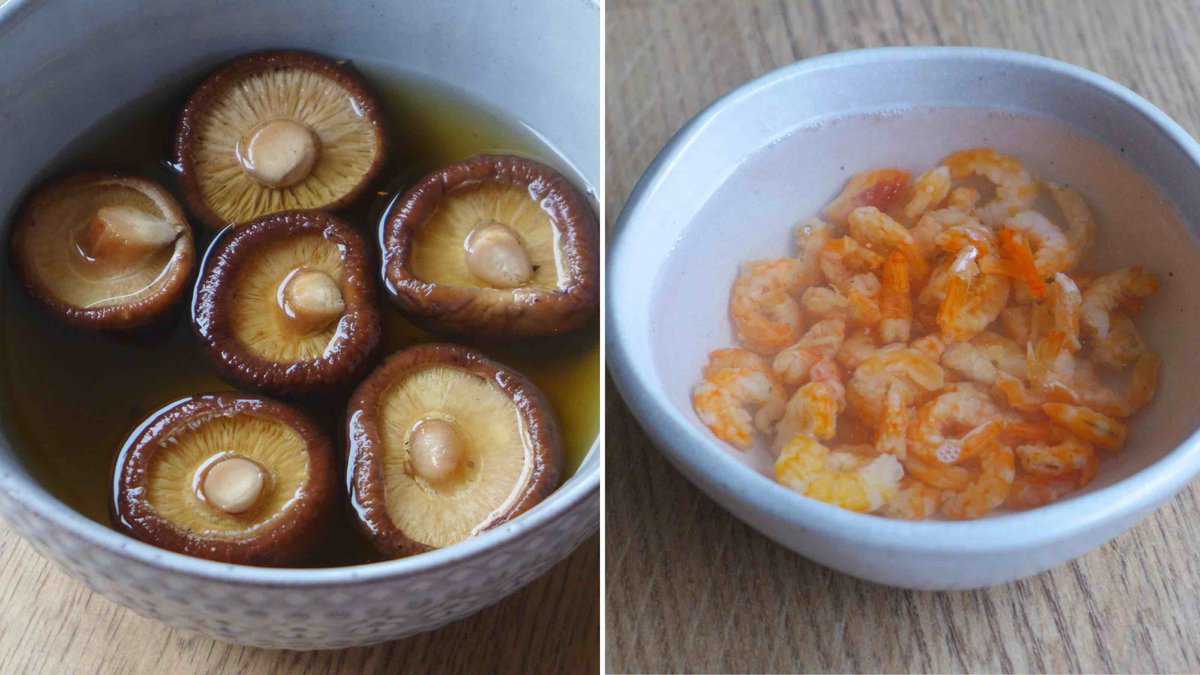
Make a list of ingredients that need soaking (like dried shiitake mushrooms), defrosting (like frozen shrimp), or overnight marinating (like Peking Duck). Set reminders so you’re not scrambling at the last second.
The Importance of “Mise en Place”
“Mise en place” is a French term used in cooking that refers to the practice of preparing and organizing all ingredients and tools before starting to cook. Any seasoned home cook will tell you this step often takes more time and effort than the actual cooking—especially since cooking can be either passive (like simmering or roasting) or very quick (think stir-frying).

The good news? Many mise en place tasks can be done well in advance. That’s why I like to tackle them early. Here’s a quick checklist:
- Measure & Prep Ingredients: Wash, slice, chop, or dice your fresh ingredients into the desired sizes.
- Mix Sauces & Dressings: Combine all your condiments ahead of time.
- Organize by Recipe: Keep each set of ingredients and sauces grouped together for easy access.
- Gather Cookware & Utensils: Make sure everything you need is within arm’s reach.
- Choose Serving Dishes: Pick out the plates and bowls you’ll be using for serving.
- Clean as You Go: Keeping your workspace tidy ensures better hygiene and mental peace.
Extra Tips
Here are some extra tips I always follow so you may find them helpful too.
- Plan with Precision: Create a detailed timetable—down to the minute, if you prefer—with highlighted notes. This approach was a lifesaver when I hosted a 10-course feast for 40+ guests at a charity supper club.
- Allocate tasks: If possible, get some extra help and assign simple jobs. As the host and lead cook, you can guide the process while others lend a hand—every bit helps!
- Use a Multi-Setting Timer: When several dishes are cooking at once, a timer with multiple settings can keep you on track and prevent burning or overcooking.
- Keep Food Warm: Use your oven’s “warm” setting or the “Keep Warm” mode on a slow cooker or Instant Pot to maintain serving temperatures without drying out the dish. Alternatively, place finished dishes in heat-retaining containers, insulated serving bowls, or cover them with foil or lids.
- Embrace Imperfection: Finally, remember your meal doesn’t have to be flawless, and you don’t need to be a perfect cook. When mishaps happen, laugh them off and enjoy the moment. After all, a little fun in the kitchen is part of what makes a feast memorable.
⭐️ Three Example Menus
Finally, I’d like to wrap up this guide with three example menus. Each showcases eight dishes that follow the tips we’ve covered. I hope these lists help you understand the principles in action and inspire you to create your own combinations. (Note: These menus don’t include sweet treats—feel free to add your favorite dessert.)
Menu 1
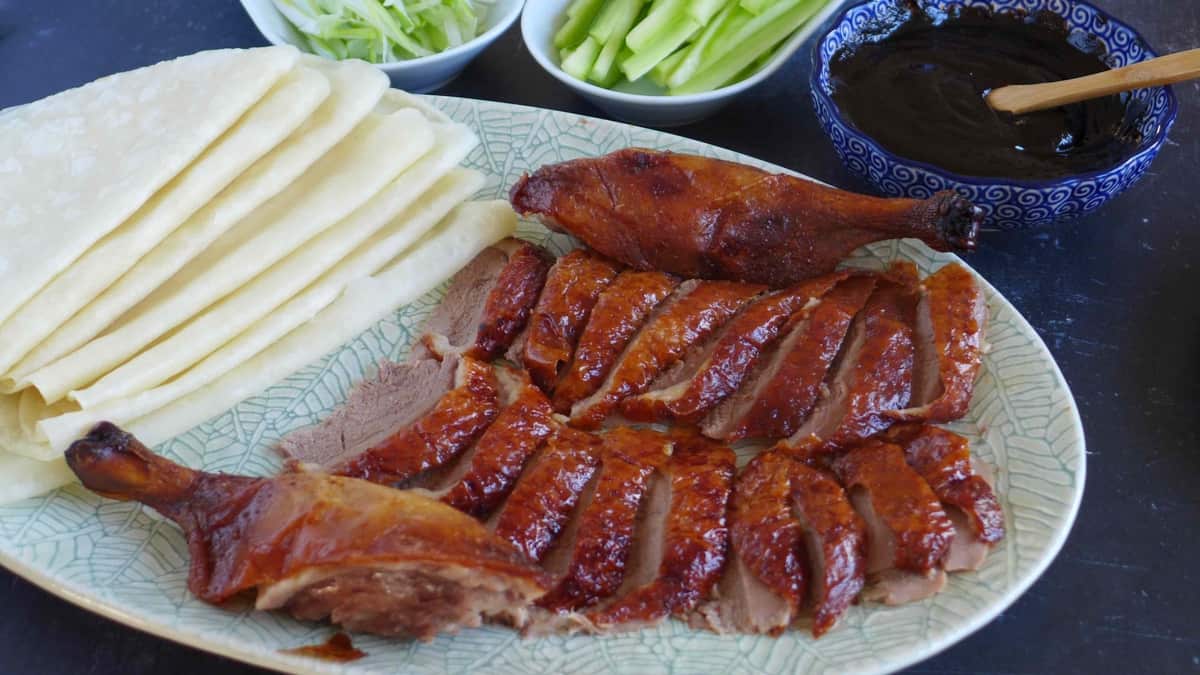
- Bang Bang Chicken (poached, served cold)
- Ginger Spinach (blanched, served cold)
- Peking Duck (roasted)
- Sweet & Sour Ribs (braised)
- Scallion Ginger Fish (steamed)
- Garlic Sauce Broccoli (stir-fried)
- Hot and Sour Soup (made ahead, then reheated)
- One-Pot Sticky Rice (stays warm for long)
Menu 2

- Chili Garlic Eggplant (steamed, served cold)
- Glass Noodle Salad (blanched, served cold)
- Red-Cooked Pork Belly (braised)
- Chicken and Mushroom (steamed)
- Shrimp and Egg (stir-fried)
- Hot and Sour Cabbage (stir-fried)
- Tofu & Vegetable Soup (made ahead, then reheated)
- Pork and Chive Dumplings (made ahead, frozen, then pan-fried)
Menu 3
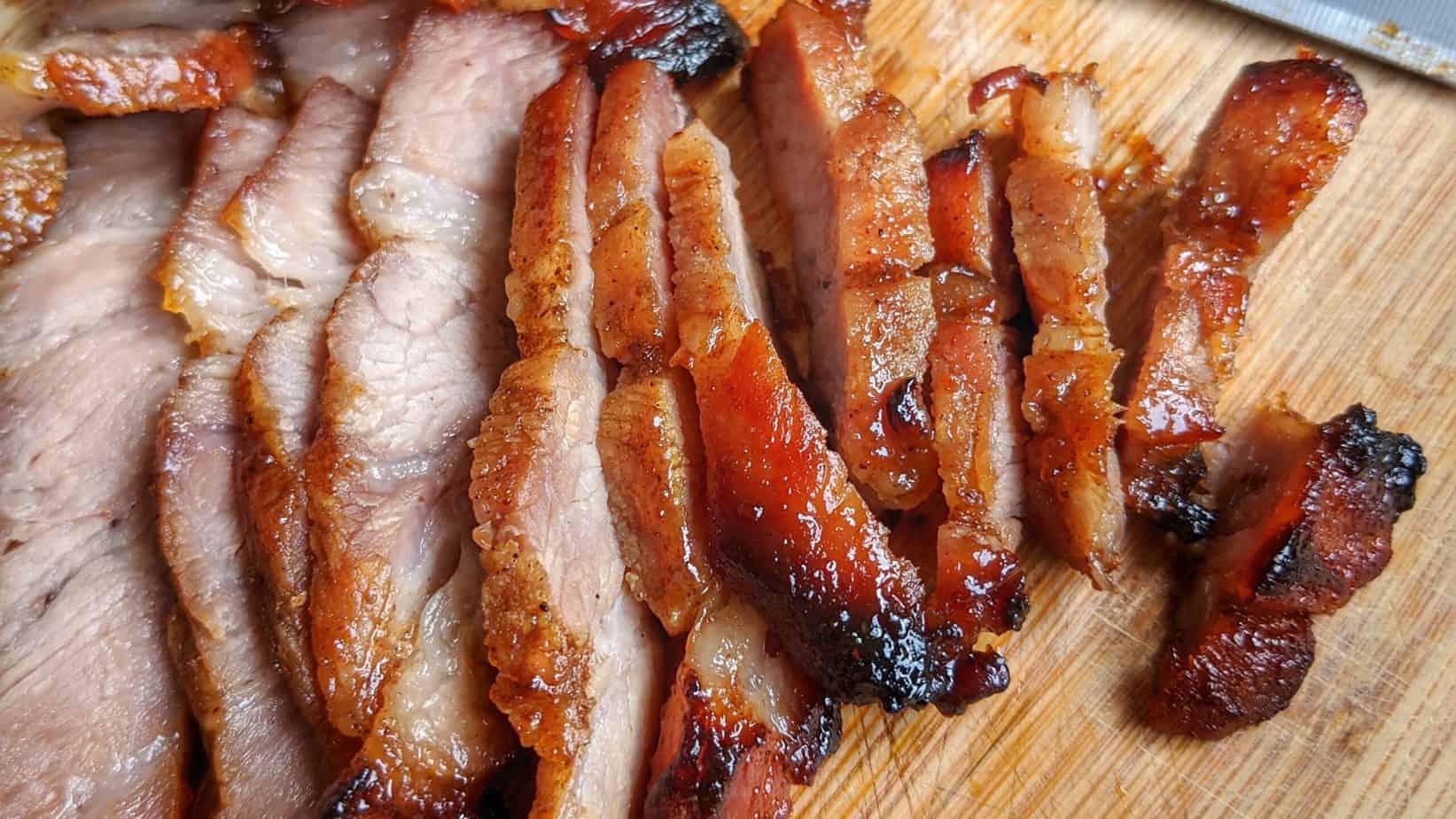
- Smashed Cucumber (no-cook)
- Beef Shank Salad (braised, served cold)
- Char Siu Pork (roasted)
- Ginger Chicken (braised)
- Garlic Shrimp with Vermicelli (steamed)
- Salt and Pepper Tofu (air-fried, then stir-fried)
- Egg Drop Soup (made ahead, then reheated)
- Soy Sauce Fried Rice (stir-fried)
To find more dishes for your next feast, head over to the Recipe Index. Happy cooking!











One other tip I’d give. Sequence the dishes on the day of the feast. I do the pork fried rice first and put it in the warm oven in its serving dish covered with foil. Then I reheat the “day ahead” dishes in the same oven, covered. Next, I do stir-fries, but in the least delicate to most delicate order so if I have to put it in the oven it’s not the most delicate one.
With one stove and multiple cooks it can get pretty congested. I don’t have a solution for this.
I did your red braised pork belly this year, but what I got at the market was a little fattier than I like. Talking about what to look for in a good cut of meat and any prep needed on the meat e.g. remove the skin on the back side of ribs and how you do that would be helpful.
I was pleased to see that what it took me years to learn is what you’re suggesting/recommending. I wish I’d had your guide when I first started!
Thanks for your recipes and hints. Use of the air fryer is helpful for me, that is, which recipes or parts of recipes can be done with the air fryer. I always want to know which part of any recipe can be done ahead and how far ahead.
Thank you so much Margo for the thoughtful comment. I’m thrilled you find my recipes and this guide helpful. Wish you another year of fun and delicious cooking in your kitchen!
Thank you so much…this is exactly what I needed! Wish me luck!
That’s wonderful to hear! Wishing you good luck, lots of enjoyment, and a delicious spread of food.
Yes, yes, yes. Menu plans. I love it. Going to give one of them a go for my family soon. Thank. You. ❤️
Yes, yes, yes! I’m so excited you’re loving this guide! Let me know how it turns out. Thank you for your enthusiasm! 😊