

Everything you need to know about bamboo steamers: how to choose, use, clean, and store them, so you can make the most of this versatile tool.

Pin this now to find it later!
Pin ItWhy I Love Bamboo Steamers
Steaming is one of the gentlest ways to cook, using hot steam to surround the food without direct contact with water. It cooks evenly, keeps everything moist and tender, and helps preserve the natural flavor, color, and nutrients. That’s why it remains one of the healthiest cooking methods.
Bamboo steamers, a traditional tool in Chinese kitchens, are round, stackable baskets made from natural bamboo strips. The woven base allows steam to rise through, while the domed lid traps the heat for steady, even cooking.
In our Red House kitchen, my bamboo steamer is a reliable tool I turn to again and again. Though often linked to dim sum, it’s just as versatile as a wok and useful for many different dishes.
Key Features

How to Choose a Bamboo Steamer
If you’re buying your first bamboo steamer, here’s what to consider:
Size matters

For most home cooks, an 8-inch (20 cm) or 10-inch (25 cm) steamer works best. It fits into a wok or pot easily, accommodates standard dinner plates, and is easy to store.
Smaller dim sum sized steamers are cute but not practical for general home cooking. Very large steamers can be hard to fit into your cookware and harder to store.
Construction details
Not all bamboo steamers are made equal. Look for:
- Tight, even weaving on the bottom. This helps the steam distribute evenly.
- Smooth finish without splinters. Rough ones can snag your liners or hands.
- Optional metal bands around the rims. These add durability and help prevent warping over time.
Brand-new steamers may have a natural bamboo scent. That’s normal and harmless.
🌟WHERE TO BUY: If you can’t find one at your local Chinese or Asian shop, this bamboo steamer available online is a good choice.
How to Use Bamboo Steamers
Step 1: Choose the cookware

You’ll need cookware that holds water and is wide enough for your steamer to sit securely above it. Ideally, let the bamboo steamer rest on the sloped sides of a wok, a taper-sided pot, or over the rim of a slightly smaller pot. In all cases, no part of the basket should touch the water. The steam rises freely to cook the food while keeping the bamboo dry.
🌟NOTE: Some people place the steamer directly into the water. While this works, it can cause the bamboo to absorb water, shorten its lifespan, and risk water boiling into the food.
Step 2: Add water

Pour enough water into the wok or pot to generate steady steam, but not so much that it touches the bottom of the steamer. For recipes with longer cooking times, you may need to top up with hot water halfway through to prevent the pot from drying out and burning.
🌟NOTE: Depending on the recipe, you may:
- Start with cold water and heat everything together (known as “冷水上锅”).
- Bring the water to a boil first, then place the steamer on top (known as “热水上锅”).
Always follow your recipe’s specific instructions for the best results.
Step 3: Place the food
Scenario 1: Using plates or bowls

For saucy, loose, or marinated ingredients, place them in a heatproof plate or bowl inside the steamer. Make sure steam can still circulate around the sides, and that the dish isn’t too tall to allow the lid to fit properly or to stack another steamer basket on top.
Scenario 2: Lining the steamer directly
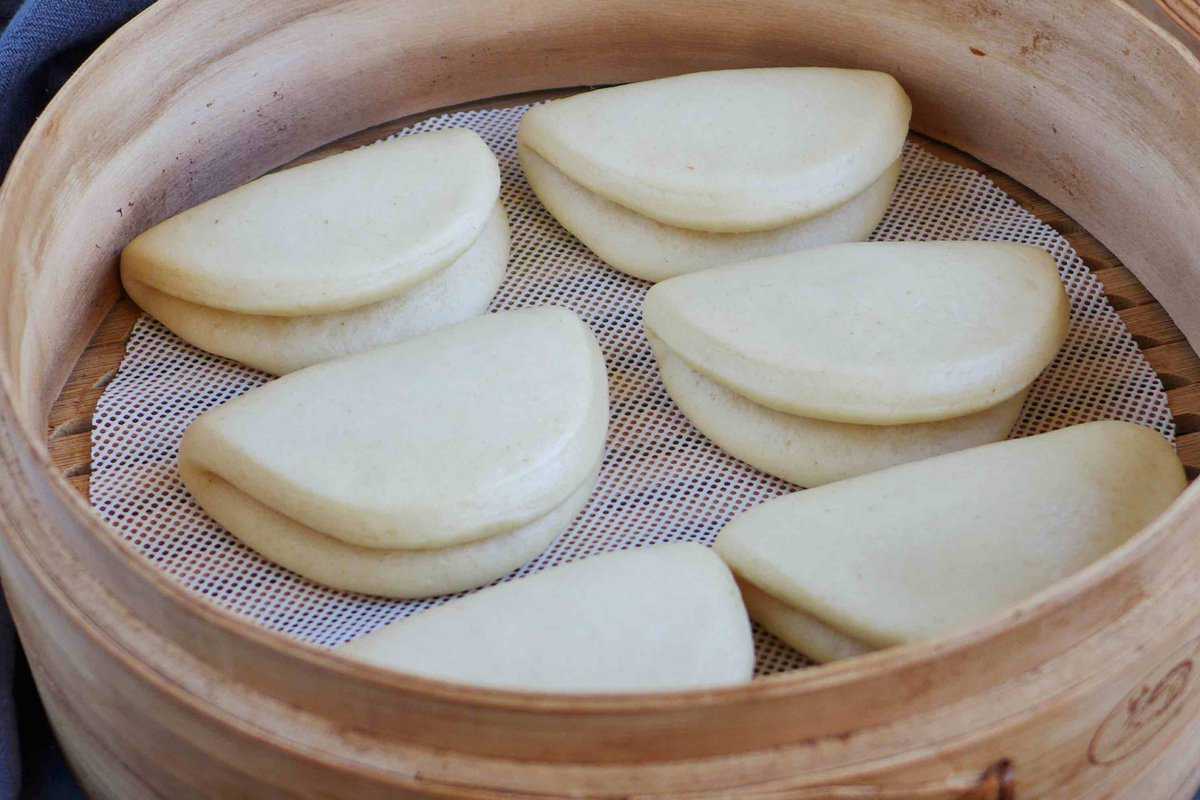
If you’re placing food directly onto the steamer basket, always use a liner to prevent sticking and make cleanup easier.
Liner options include:
- Parchment paper with holes
- Reusable silicone mesh liners
- Cheesecloth
- Natural leaves: cabbage, banana, or lotus leaves
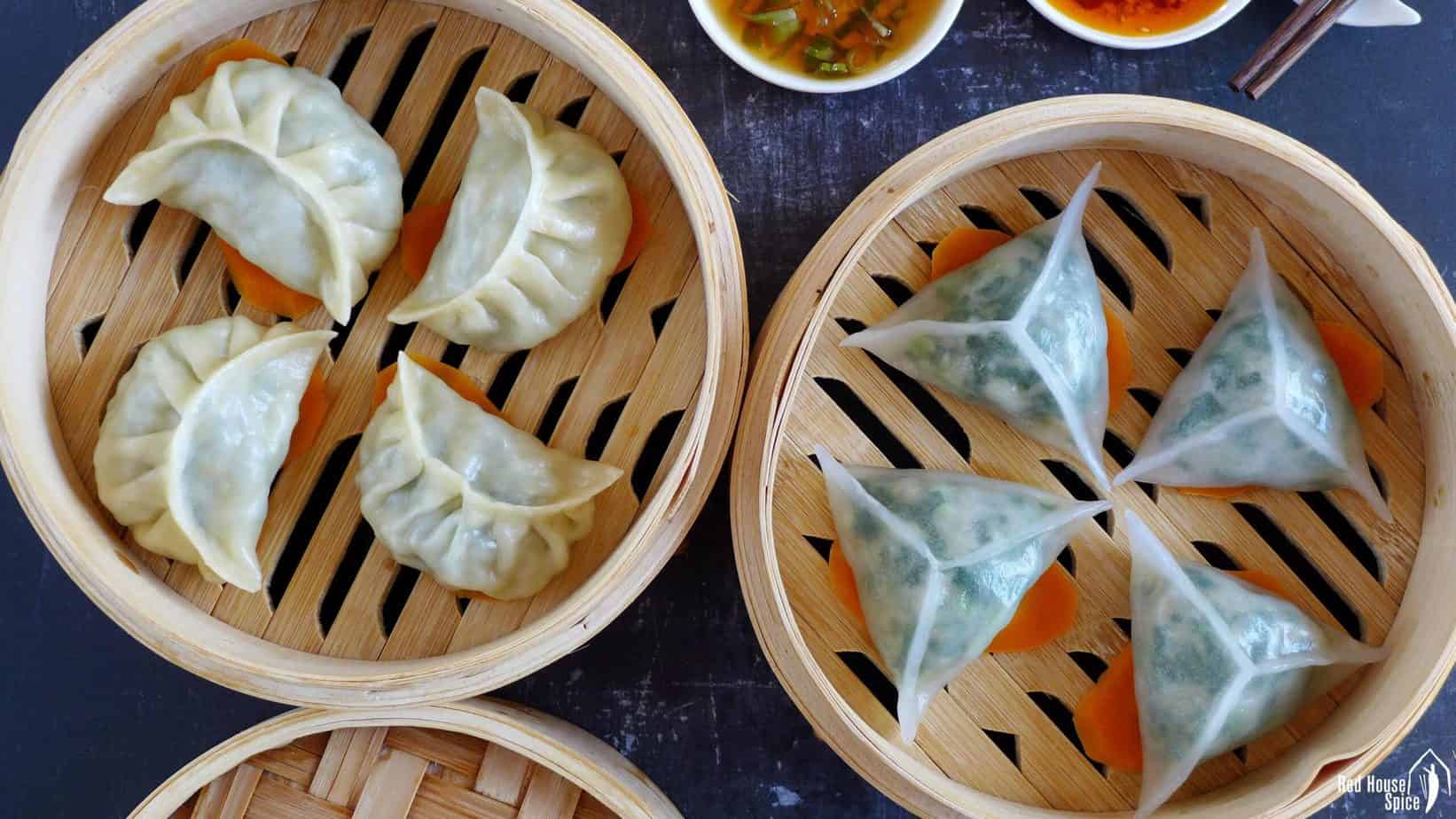
- Carrot slices: great for placing dumplings on
Step 4: Cover and steam
Place the dome-shaped bamboo lid on top and turn on the heat. Once you see steam rising from the lid, reduce the heat to medium or low and continue steaming for the required time.
Pro Tips
- Place a coin at the bottom of your wok or pot. If it starts rattling loudly, that’s your signal the water is running low.
- Whether using plates, bowls, or liners, always leave enough open space for steam to circulate freely.
- For 2–3 stacked layers of the same food, no extra cooking time is usually needed.
- When steaming different foods together, put slower-cooking items on the bottom and quicker ones on top. You can remove the top layers as they finish.
- If the burner flame hits the wok directly under the steamer, the bamboo may scorch. Use moderate heat — enough for steady steam, but not too high.
- When reheating, there’s no need to defrost frozen food. Start with cold water and steam as usual, adding a bit more time if needed.
Recipes Using Steamers
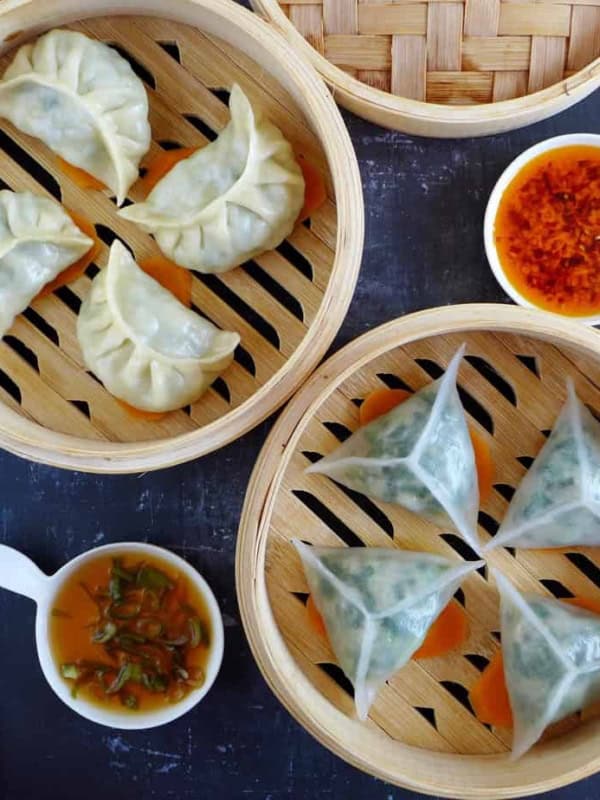
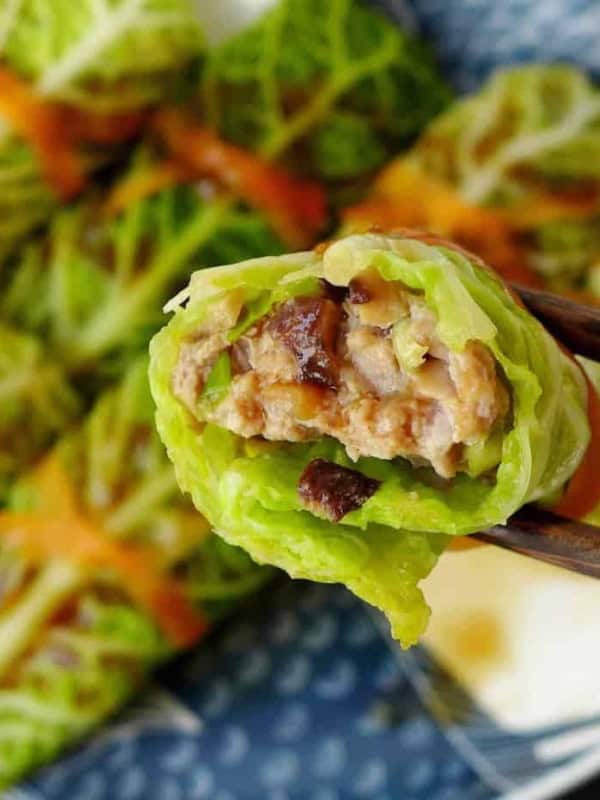
Here are some popular Chinese recipes you can cook in your bamboo steamer:
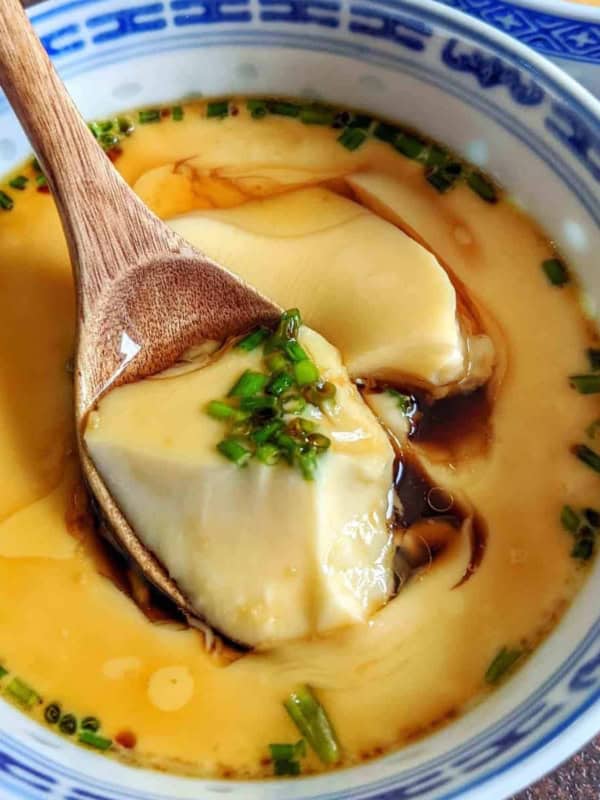
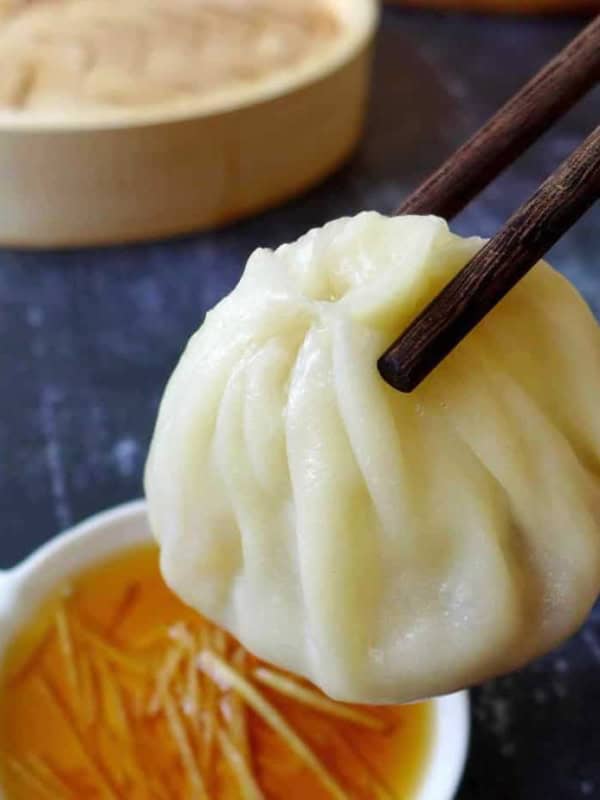
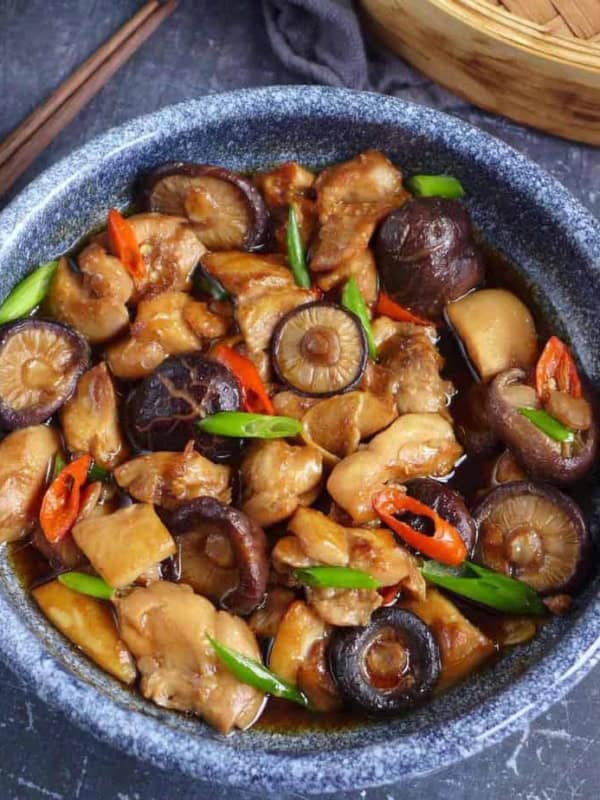

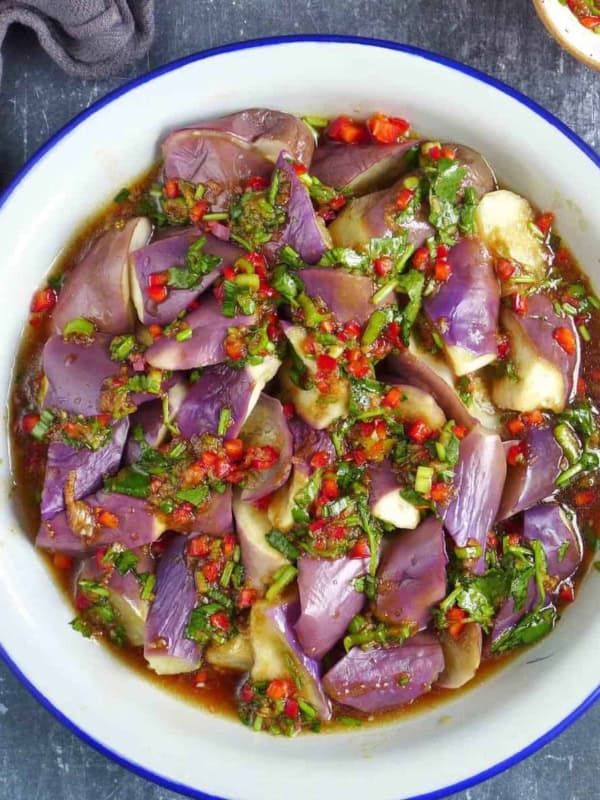

Care and Storage
First-time use
When you first bring your bamboo steamer home, wash it thoroughly with hot water. Steam it empty for 10 minutes to help mellow the natural bamboo scent.
🌟NOTE: It’s not necessary (or recommended) to “season” a bamboo steamer with oil like you would with a [traditional wok], though some people mistakenly assume so.
Cleaning after each use
Let the steamer cool slightly, then remove any food residue before it hardens. For stuck bits, gently scrape with a dull knife. Rinse thoroughly with hot water.
🌟DON’Ts
- Don’t soak the baskets in water.
- Don’t use detergent — the bamboo may absorb the soapy smell.
- Don’t let greasy or oily food touch the bamboo directly.
Storage
Always dry the steamer completely before storing. Keep it in a cool, dry, well-ventilated place (not in a tightly closed cabinet or drawer). Remember that dust can be easily rinsed off, but mold is much harder to deal with.
🌟NOTE: If mold appears, scrub gently with hot water and a soft brush. Steam empty for 20 minutes to sanitize. In severe cases, it may be best to replace the steamer.
Alternatives
If you don’t have a bamboo steamer, here are the alternatives for steaming:
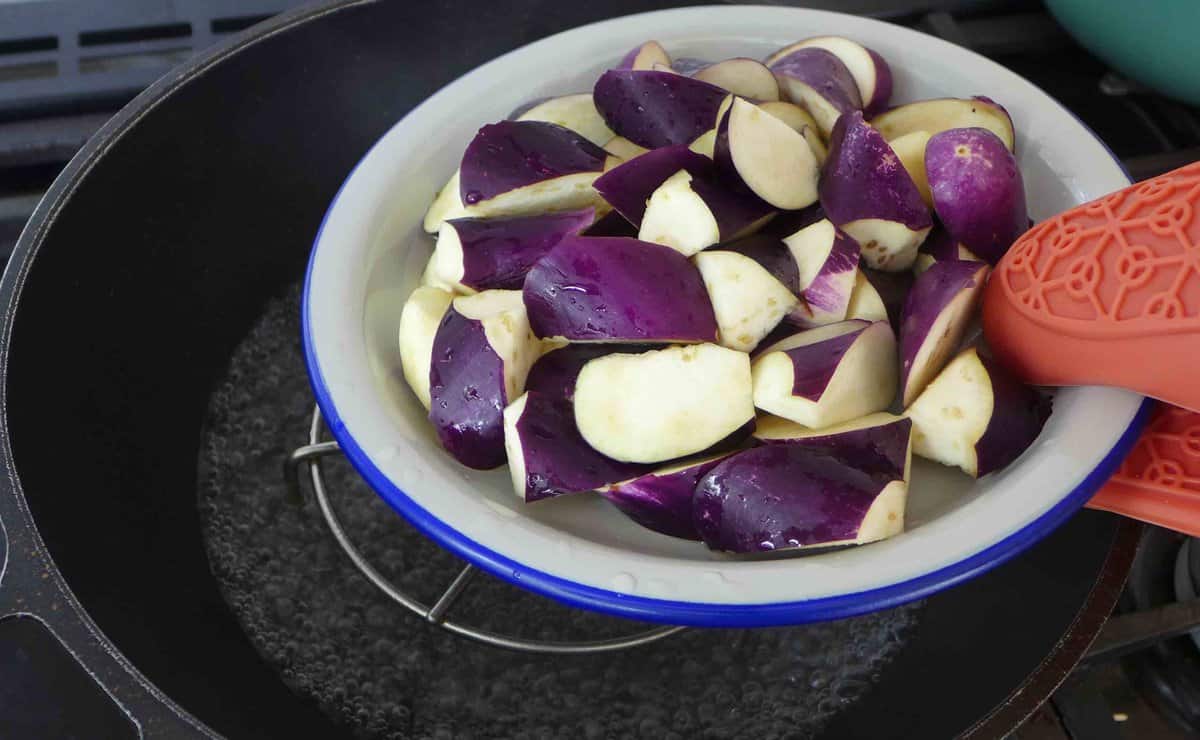
- A simple steamer rack set inside a wok or large pot works well and is very handy for everyday steaming (see image above).
- Metal stacking steamers and electric steamers are also good options, especially when cooking larger quantities.
- Some modern ovens now come with a built-in steaming function, which can be useful for certain recipes.
- Multi-cookers like the Instant Pot offer steaming functions too.
🌟NOTE: For steamed buns and dumplings, bamboo steamers still deliver the best results thanks to their breathable material and even, gentle heat.











I’ve always been curious about bamboo steamers but never knew where to start—this guide really breaks down everything from choosing the right size to proper cleaning, which is super helpful. I especially appreciated the tips on layering food for even cooking. Also, your mention of how bamboo steamers can add an authentic touch reminded me of how much presentation matters. Definitely going to try steaming more veggies and dumplings now!
Thank you for the kind feedback Jessica. I’m really glad you found the guide helpful and that the tips were useful. Hope you have fun making steamed dishes.
Great tip about the coin . Would never have thought of that , thank you . 😀
Glad you find it helpful!