


A signature Sichuan dish, shredded pork with garlic sauce features tender meat, crisp vegetables, and a boldly flavored sauce that’s hard to resist.

Pin this now to find it later!
Pin ItNote: This is a revised version of my blog post from 2017, featuring more tips and new images.
Table of Contents
About the dish
Sichuan cuisine is known for its love affair with hot chilies. But did you know that sour and sweet flavors are also celebrated in this legendary cuisine? Today’s dish, Sichuan Shredded Pork with Garlic Sauce, is a perfect example of how these three flavors dance in harmony, creating a multidimensional taste that’s so irresistible.
At its core, this is a quick stir-fry featuring tender strips of pork, accompanied by crunchy vegetables and coated in a glossy sauce, richly flavored with pickled chilies, aromatics, and a set of common Chinese condiments.
The classic version of this dish is mildly spicy—the heat isn’t as intense as Sichuan Boiled Fish, but it’s similar to the level of Kung Pao Chicken. Its sweet and sour notes are more subtle than those in Sweet and Sour Meatballs, as they are infused with a generous amount of aromatics.

About garlic sauce
“Garlic sauce” is a term coined by overseas Chinese restaurants to name this Sichuan classic, and it has since become commonly used in the West. However, it has no connection to the dish’s original Chinese name, Yú Xiāng Ròu Sī/鱼香肉丝, which literally means “fish-fragrant shredded pork.” Other popular dishes using the same flavor profile include Fish-Fragrant Eggplant and Fish-Fragrant Tofu.
But where’s the fish? You may ask. There is none! The widely accepted belief is that the seasoning combination used in fish-fragrant dishes was inspired by traditional Sichuan methods of preparing fish. Another lesser-known explanation—which I learned at the Museum of Sichuan Cuisine in Chengdu—suggests that the pickled chili used in this dish was traditionally fermented with fish.
Top Tips
As usual, I’d like to share some helpful tips first:
- If you’re chasing the classic flavor, try using all the suggested ingredients.
- Preparing the ingredients takes some time, but the effort yields a delicious result.
- Pay attention to the sauce consistency and avoid prolonged cooking.
Ingredients
Pork

For the meat portion, you’ll need pork tenderloin (aka pork fillet) along with a set of marinating ingredients, including light soy sauce, Shaoxing rice wine, cornstarch, and salt. These not only enhance the flavor but also help tenderize the meat.
Vegetables

You’ll need a few vegetables to accompany the protein: carrots, wood ear mushrooms, and bamboo shoots. These are the classic choices used in the traditional version.
🌟Substitutes: Feel free to swap them with other crunchy vegetables. Ideally, opt for ones that can be cut into slivers to match the shredded pork.
Aromatics

Aromatics are essential as well. In addition to ginger, garlic, and scallions, you’ll need pickled chili (Pào Jiāo/泡椒), which adds a unique tangy, fragrant heat that sets this dish apart.
🌟Substitutes: Sichuan-style pickled chili can be hard to find. A great alternative is Pickled Chili Garlic Sauce (see image above). I’ve also tested this recipe with pickled chilies from other cuisines (e.g. Spanish, Italian), and they worked well. If none of these are available, fresh chilies can be used as a substitute.
Seasonings

To create a thick, umami-rich, tangy sauce with a hint of sweetness, you’ll need black rice vinegar, light soy sauce, dark soy sauce, Shaoxing rice wine, sugar, and cornstarch.
🌟 Note: These ingredients are key to achieving the dish’s authentic flavor. Check out my post on 10 Must-Have Chinese Condiments to learn more about them.
Cooking Procedure
Step 1: Prepare the ingredients

Cut the pork into narrow, long strips across the grain, similar to how you cut it for Peking Shredded Pork. Then, mix it with light soy sauce, Shaoxing rice wine, cornstarch, salt, and a little water. After that, rub in a little oil to create a coating.

Cut the vegetables into strips. Finely chop the pickled chilies and scallions, and mince the ginger and garlic. Then, mix all the seasonings.
🌟 Tips: Briefly freezing the meat until it is semi-solid will make cutting easier. Wood ear mushrooms usually come in dried form—rehydrate them in cold water for an hour until they become plump.
Step 2: Sear the pork

Add a little oil to a very hot wok. Swirl to cover a larger area before putting in the shredded pork. Toss over high heat to sear it quickly. As soon as the meat turns pale, dish out for later use.
🌟Note: When using a carbon steel wok, it’s important to heat it empty first then add the oil. This prevents sticking. However, if using non-stick cookware, add oil then heat up.
Step 3: Stir-fry the vegetables

Pour in another small batch of oil to the empty wok and add garlic, ginger and pickled chilies. Sizzle them for 10-15 seconds or so.

Stir in carrots, wood ears, and bamboo shoots. Fry for about half a minute, or until they just start to wilt.
Step 4: Combine the dish

Return the pork to the wok. Toss it with the vegetables for about 30 seconds. Turn the heat down to medium low, then pour in the sauce, mixed well beforehand in case the starch sits at the bottom.

As soon as the sauce starts to thicken, remove the wok from the heat and garnish the dish with scallions.
🌟Note: Pay attention to heat control and the consistency of the sauce. Don’t wait until it becomes too thick, as it will thicken further as it cools.
Serving ideas

Pork with garlic sauce is a real “rice killer”, or in Chinese “Xià Fàn Cài/下饭菜”. So make sure you have steamed rice ready to enjoy the dish right away. Did you know that it tastes just as wonderful at room temperature? That makes it a great option for packed lunches!
When including it in a multi-dish dinner, pair it with something light and fresh, such as Bok Choy Stir-Fry, Ginger Spinach Salad, along with other protein dishes like Scallion Tofu, Shrimp Egg Stir-Fry.
Recipe FAQs
A: Yes, chicken breast or beef (flank or skirt steak) would work for this recipe.
A: Different brands or types of pickled chili vary in heat levels. It’s advisable to adjust the quantity based on your tolerance for the specific one you’re using. If unsure, start with a smaller amount and add more at the very end of cooking if needed.
A: Yes, you can double the recipe if you have a large wok and a powerful burner.
Other Sichuan classics
Looking for more recipes featuring popular Sichuan dishes? Try these ones:
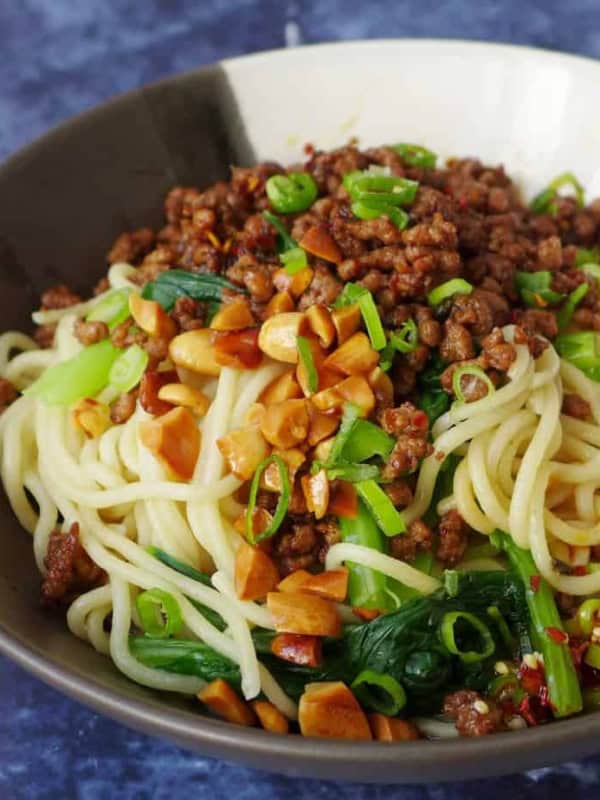
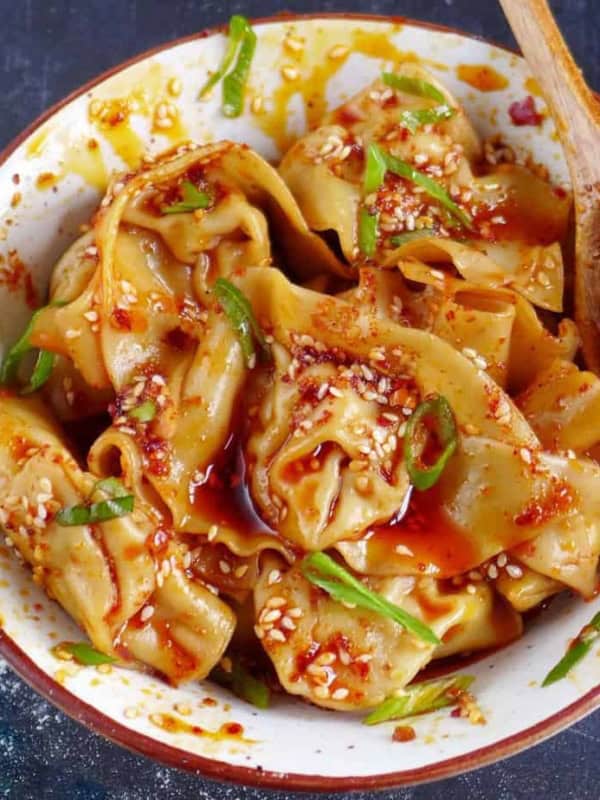

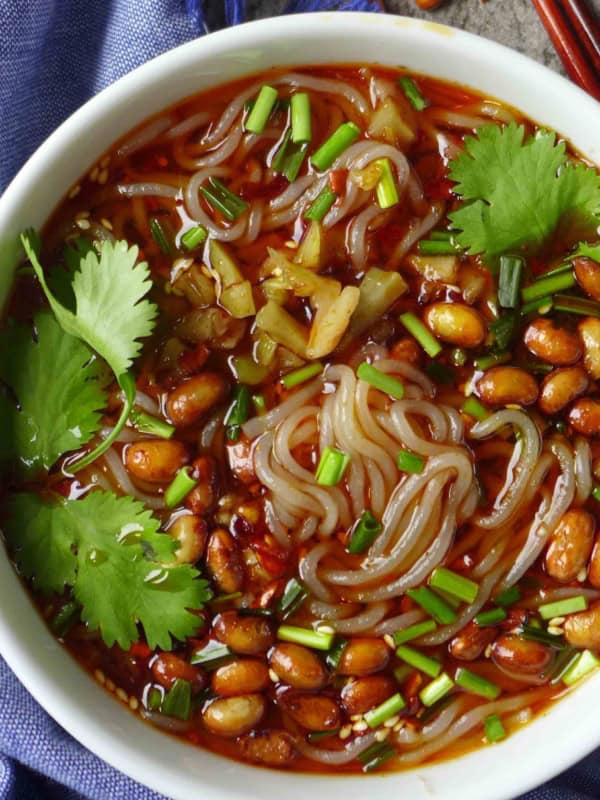
📋 Recipe card
Love this recipe? Please leave a 🌟🌟🌟🌟🌟 rating and a comment. Thank you!

Sichuan Shredded Pork with Garlic Sauce (鱼香肉丝)

Ingredients
For the meat
- 10 oz pork tenderloin, aka pork fillet
- 2 teaspoon light soy sauce
- 2 teaspoon Shaoxing rice wine
- 1 teaspoon cornstarch
- 1 pinch salt
- 1 tablespoon water
- 1 teaspoon neutral cooking oil
For the sauce
- 2 tablespoon black rice vinegar
- 1½ tablespoon Shaoxing rice wine
- 1 tablespoon light soy sauce
- ½ tablespoon dark soy sauce
- 2 tablespoon sugar
- 1½ tablespoon cornstarch
- 2 tablespoon water
You also need
- 3 tablespoon neutral cooking oil, divided
- 2 tablespoon pickled chili, finely chopped (see note 1)
- 2 teaspoon garlic, minced
- 1 teaspoon ginger, minced
- ½ cup carrot, julienned
- ½ cup wood ear mushrooms, rehydrated and julienned (see note 2)
- ½ cup bamboo shoots, julienned
- 1 stalk scallions, finely chopped
Instructions
Marinate the pork
- Cut pork tenderloin into narrow strips (see note 3). Then, mix them with light soy sauce, Shaoxing rice wine, cornstarch, salt, and water. Once no more liquid can be seen, rub in oil to coat the meat evenly.
Mix the sauce
- In a small bowl, mix black rice vinegar, Shaoxing rice wine, light soy sauce, dark soy sauce, sugar, cornstarch, and water. Set aside.
Sear the pork
- Heat a wok over high heat until very hot, then pour in 2 tablespoons of oil (if using non-stick cookware, be sure to add oil first then heat it). Add the marinated pork. Toss to sear it quickly. Once the meat turns pale, transfer out to a plate for later use.
Stir-fry the vegetables
- Add the remaining 1 tablespoon of oil to the empty wok. Sizzle pickled chili, garlic, and ginger until fragrant. Then, put in wood ear mushrooms, bamboo shoots and carrots. Stir-fry until they just begin to wilt.
Combine the dish
- Return the pork to the wok. Stir fry for 30 seconds or so. Turn the heat down to low then pour in the sauce (stir well beforehand to avoid starch sitting at the bottom).
- As soon as the sauce starts to thicken, turn off the heat and stir in scallions. Serve immediately with steamed rice.
Notes
Your Recipe Notes
Nutrition
Nutrition information is automatically calculated, so should only be used as an approximation.















Very nice..
Love this dish, but have someone who makes a fuss about mushrooms, can you suggest anything to use instead of mushroom that will still keep some integrity to this recipe?
Hi Nina! It’s perfectly fine to skip wood ear mushrooms. Happy cooking!
I made this, with the pickled peppers from Mama Market. While it was very tasty, it was not hot at all. I probably shouldn’t have removed the seeds from the peppers.
Thank you for trying out my recipe! The spiciness of the dish depends on the heat level of the pickled chili pepper that you use. Yes, removing the seeds would reduce the hotness (That’s why I didn’t suggest removing them in the recipe).
This is a brilliant dish even though I had to replace wood ear with fresh shiitake. But could you check if the amount of corn flour in the sauce shouldn’t be 1.5 teaspoon instead of tablespoon? I ended up with thick gunk that I had to water down several times.
Thank you for trying out my recipe Anna. The quantity for cornstarch is correct. I suspect the sauce mixture had been overcooked. Since the heat for stir-frying is quite high, the cornstarch slurry thickens quickly. Make sure you pour it in while stirring the food to ensure even distribution. Remove the wok from the heat as soon as the sauce “starts” to thicken. By the time you serve the dish, the consistency would be just right. Hope this helps!
Thank you Wei, that’s fair enough but should that amount of cornflour as much as double or triple when cooking more servings, as your recipe plugin instructs?
Yes, when doing bigger portions, always increase the ingredient quantity proportionally. But I don’t recommend you cook stir-fry dishes in very big volume unless you wok is very big and cooker very powerful.
Thank you for this recipe. My mother used to prepare this dish for the family. Now that she is not able to cook, I can prepare this dish ( with your receipe) for her and my father. Thank you Wei Guo.
Look forward to more wholesome dishes.
Hope your parents will enjoy your dish!
Lovely recipe for a simple weeknight dish. Will certainly make this again. I had all the ingredients…..except for pork. So I made it with chicken – it tasted lovely. I also had to opt for the alternative of fresh chili. Thank you so much for sharing this great recipe!
I love this recipe. Thank you so much for this and your other recipes.
I wanted to say that I like to roll up the meat (we use thin pork slices) and then cut it into strips that way. We have a tight kitchen, but I’d started that technique 20 years ago.
Again, what a recipe. Woo Hoo
Thank you for sharing your cutting trick Gregory!
WHY IS THIS CALLED GARLIC SAUCE IF IT HAS NO GARLIC ?
Hi Patrick! First of all, there is garlic in my recipe (please see the ingredient list under the title “for the vegetables”). Secondly, as I’ve explained in my post, “garlic sauce” is a term invented by Chinese restaurants in the West which isn’t a literal translation of the Chinese name of this dish. Although garlic is an important ingredient, it isn’t actually the leading source of taste.
Amazing. Hot, spicy, full of Unami. Recipe Lear. Perfectly quite spicy. Thank
This is a delicious recipe! The local Asian restaurants in Connecticut have all altered this dish that it no longer resembles pork with garlic sauce. It’s usually way too sweet and they don’t shred the meat and overload it with filler veg. I’ve made it several times and will be making it for dinner tonight. I can’t find pickled chili, but use a half a teaspoon of mapo chili sauce. I don’t add the additional sugar except for the marinade for the meat. For the veg: wood ears, shiitake mushrooms, bamboo shoots, water chestnuts, shallots–all finely sliced into matchsticks. Cheers!
Thank you for sharing your twists!