
A practical guide to Chinese soy sauce, including the differences between light and dark soy sauce, buying tips, storage advice, and common uses.
Pin this now to find it later!
Pin ItWhat Is Chinese Soy Sauce?
Soy sauce is one of the oldest condiments in the world and the backbone of Chinese cooking. Made by fermenting soybeans, wheat, water, and salt, it develops a savory, umami-rich flavor that seasons everything from stir-fries and braises to soups and dipping sauces.
In Chinese, 酱油 (jiàng yóu) or 豉油 (chǐ yóu) is the umbrella term that covers many types of soy sauce. Among them, light soy sauce and dark soy sauce are the two most commonly used in everyday cooking. While they share the same origin, they serve very different purposes in the kitchen.
Wei’s Pro Tip
Key things to know
- “Light” doesn’t mean reduced salt. It refers to the color.
- When a Chinese recipe simply says “soy sauce”, it usually means light soy sauce.
- For authentic Chinese cooking, it’s worth keeping both light and dark soy sauce in your pantry.
A quick comparison
| Light Soy Sauce | Dark Soy Sauce | |
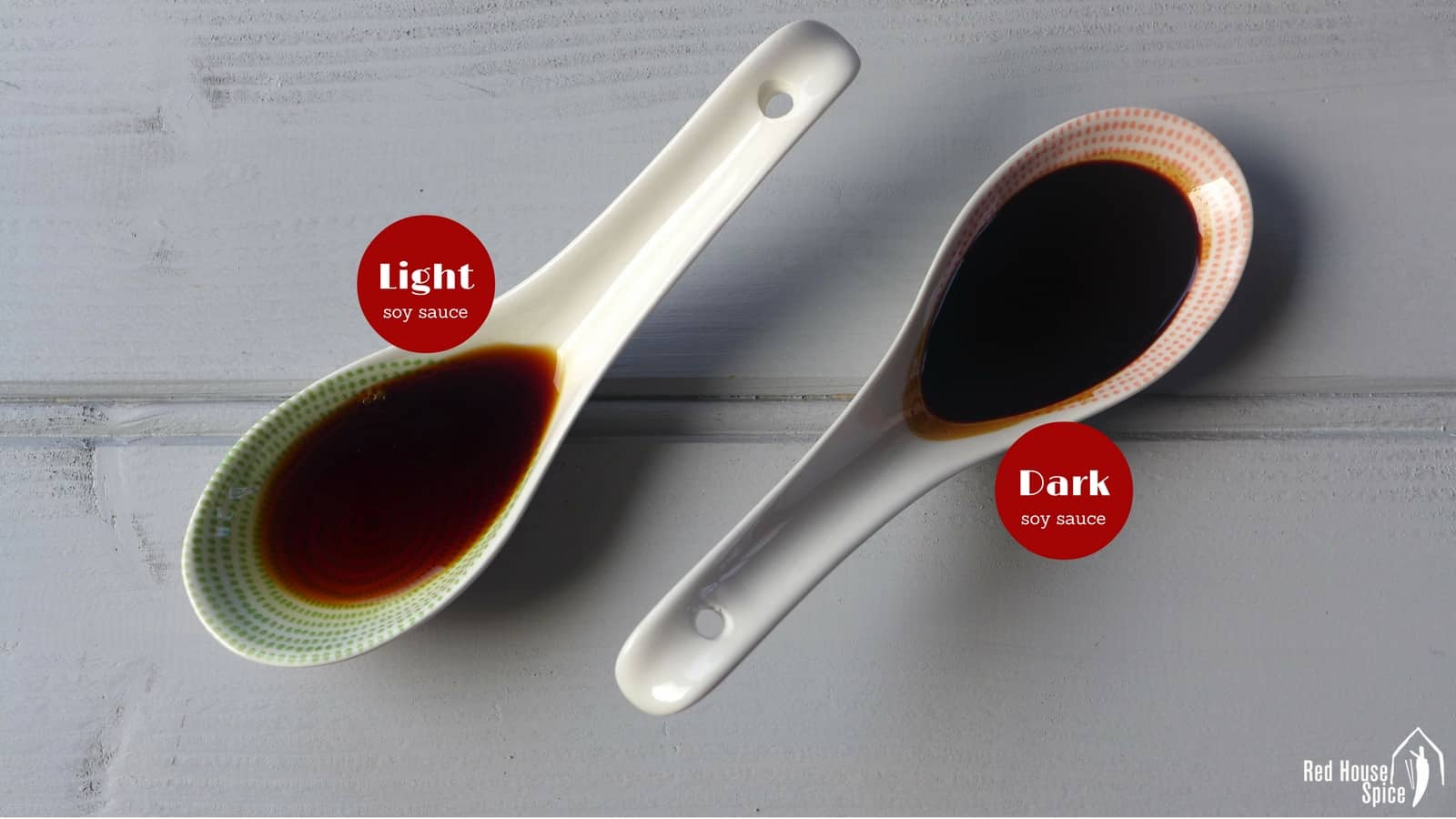
| Primary role | seasoning | color & a touch of sweetness |
| Color | reddish brown | very dark brown |
| Consistency | thin, fluid | thick, slightly syrupy |
| Saltiness | saltier | less salty |
| Flavor | salty, savory, umami-rich | mellow, slightly sweet, less salty |
| Usage | all types of savory dishes | cooked dishes, especially braises and stews |
| Pantry priority | essential | highly recommended |
How I choose soy sauce
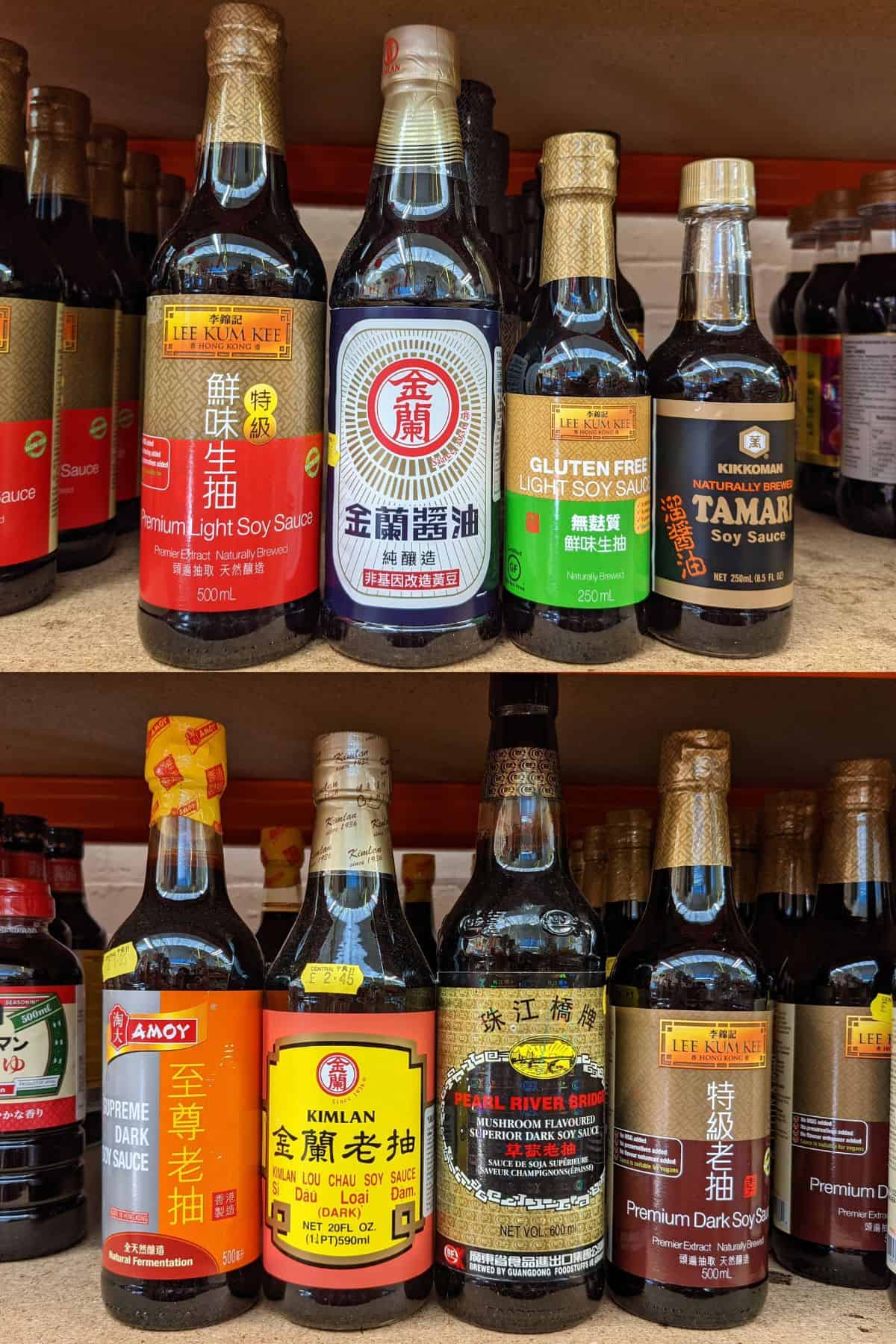
Many soy sauce bottles carry labels such as “premium” or “superior.” They can offer subtle differences in flavor and aroma, but for everyday cooking, any good-quality soy sauce from a trusted Chinese brand will serve you well.
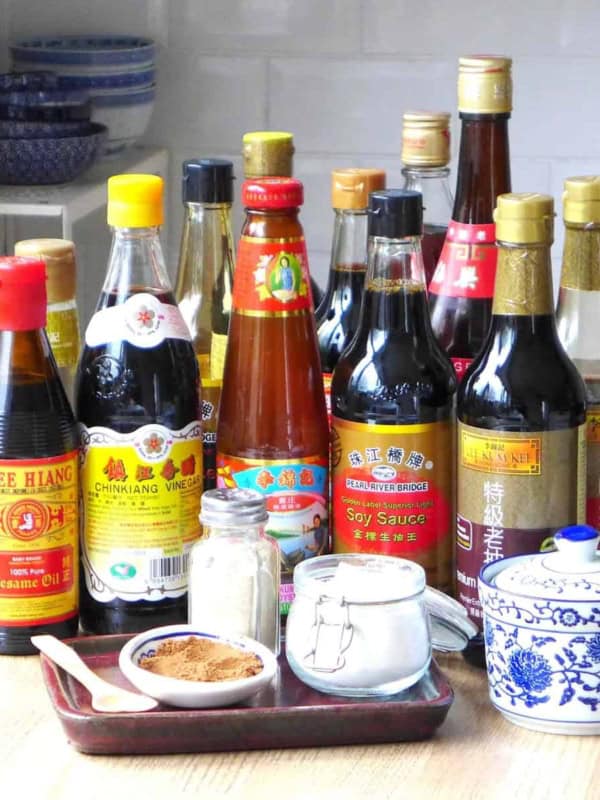
Popular brands include Pearl River Bridge (珠江橋牌), Lee Kum Kee (李錦記) and Haday (海天).
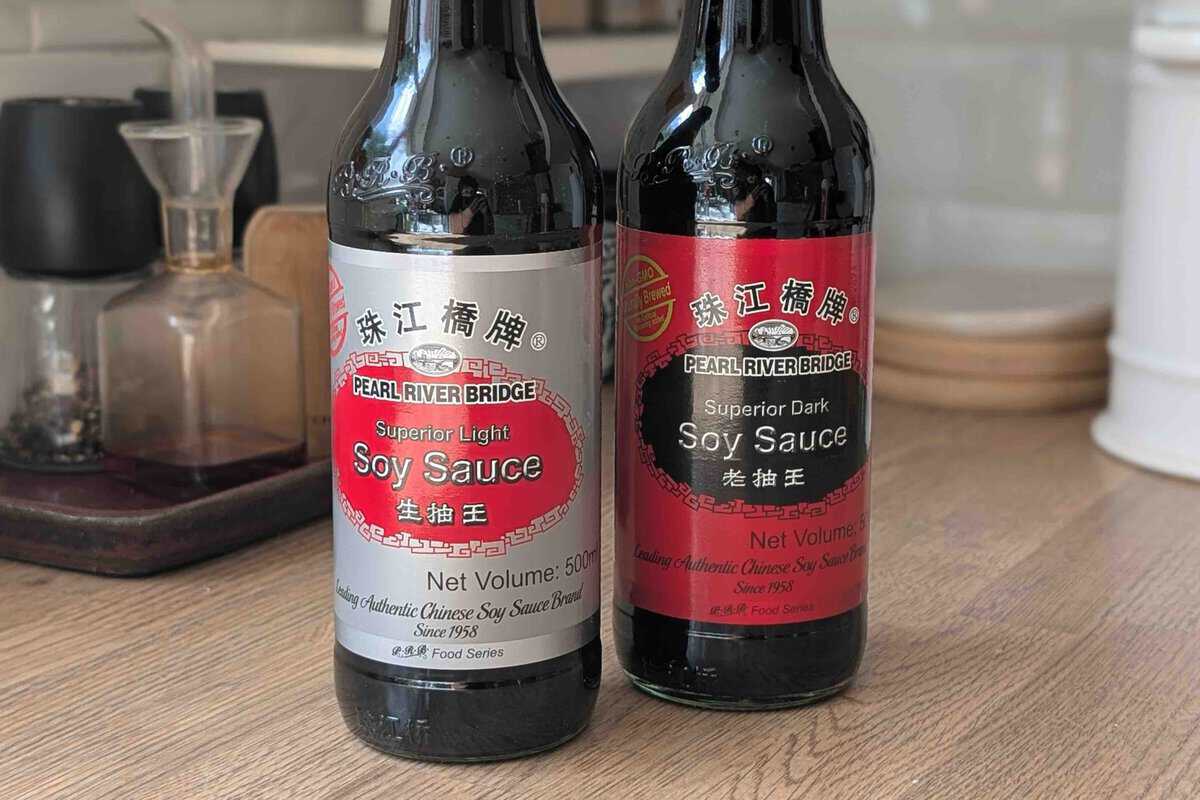
✅ In my own kitchen, I most often use Pearl River Bridge. I keep both their light soy sauce and dark soy sauce in my pantry and use them almost daily.
If you already have Japanese soy sauce, feel free to use it in place of Chinese light soy sauce. The flavor will be slightly different, but it works well in most recipes.
Light Soy Sauce
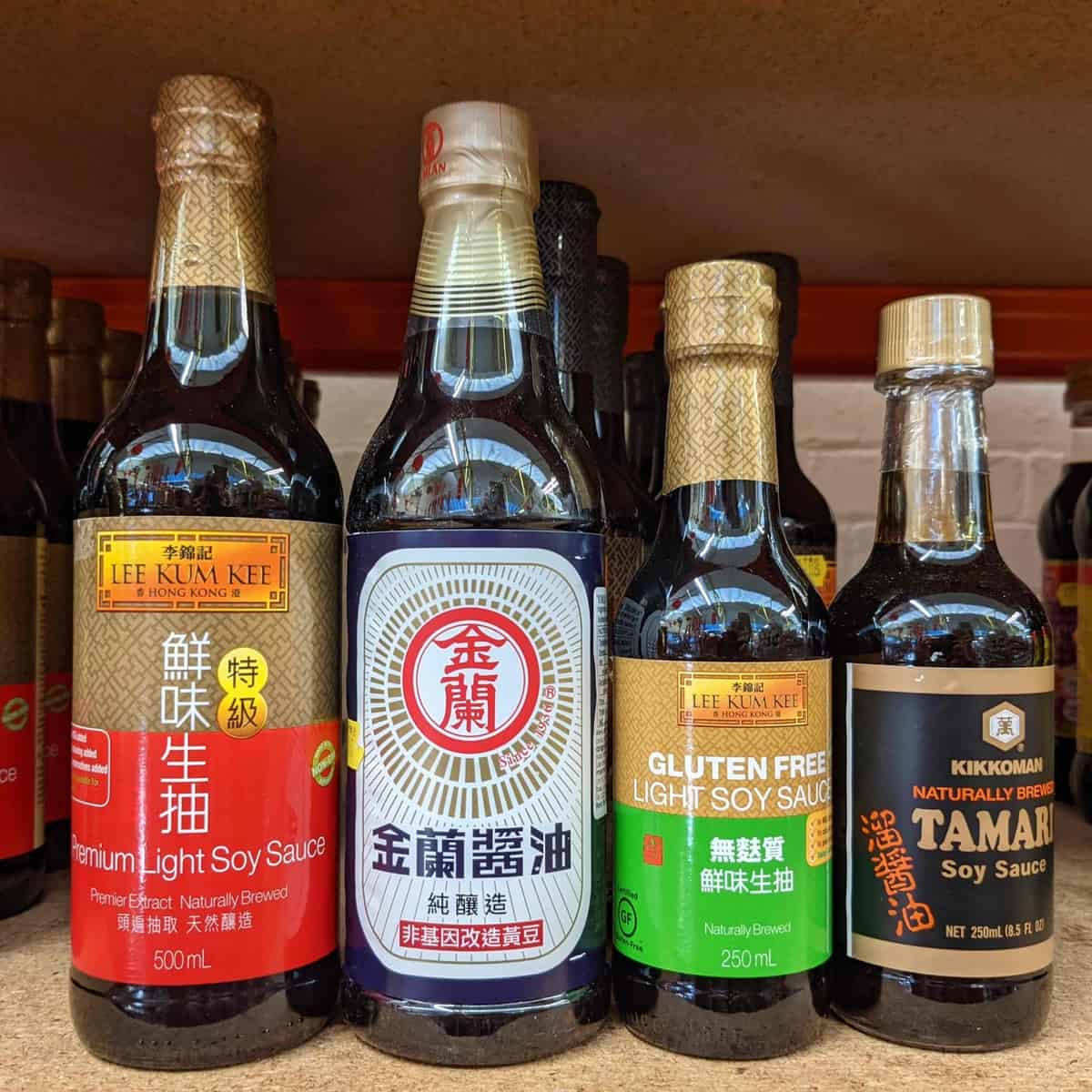
Light soy sauce (生抽, shēng chōu) is the most widely used everyday seasoning in Chinese cooking. It has a lighter color and thinner consistency than dark soy sauce.
- Taste: Salty, savory, and rich in umami. Think of it as salt with extra aroma and depth of flavor.
- Uses: Marinades, stir-fries, dipping sauces, soups, noodle dishes, braises, steamed dishes, and salad dressings. If a savory Chinese dish needs seasoning, light soy sauce is usually the first thing I reach for.
- Good to know: When a Chinese recipe simply says “soy sauce”, it almost always means light soy sauce.
- Light doesn’t mean low sodium: “Light” describes the color, not the salt content. If you need less sodium, choose a soy sauce labeled “low sodium” or “reduced salt,” which is typically a type of light soy sauce.
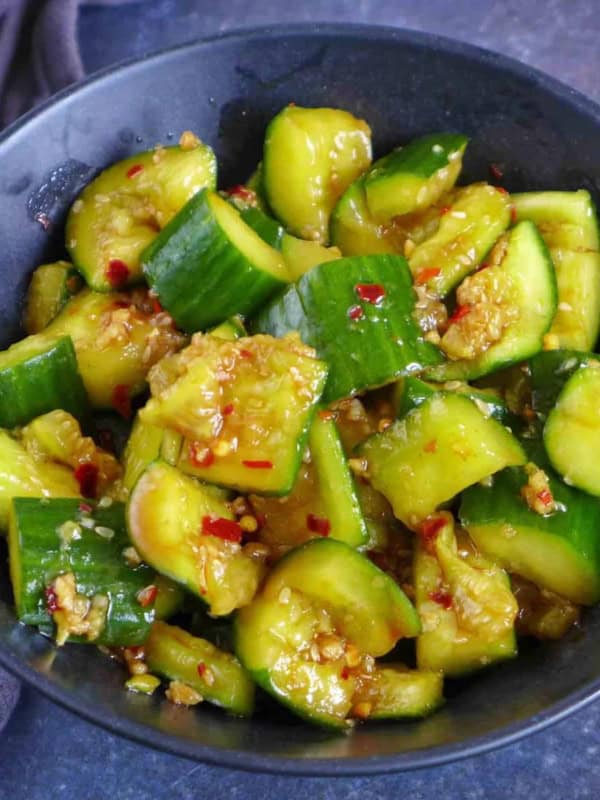
Recipes using light soy sauce

Dark Soy Sauce
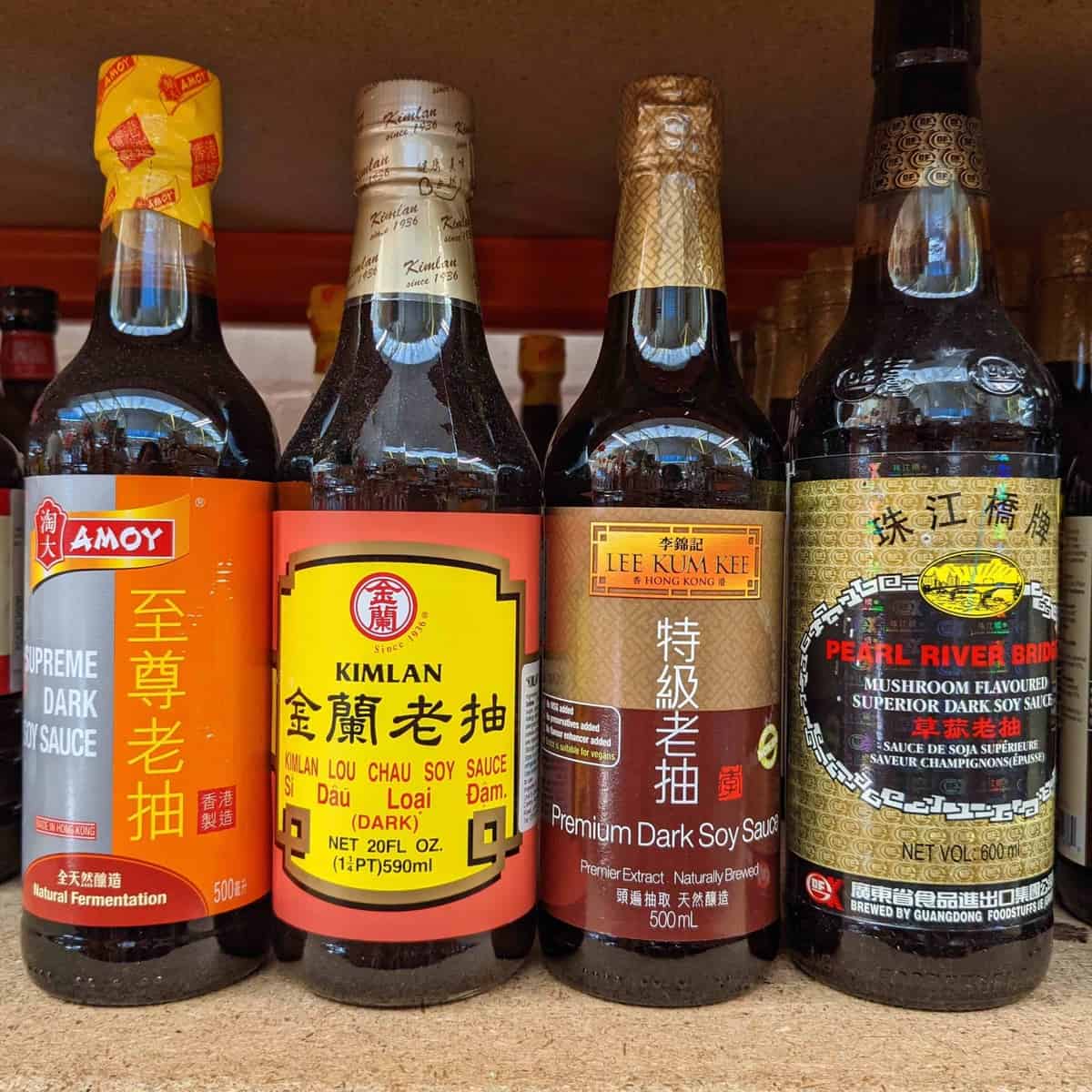
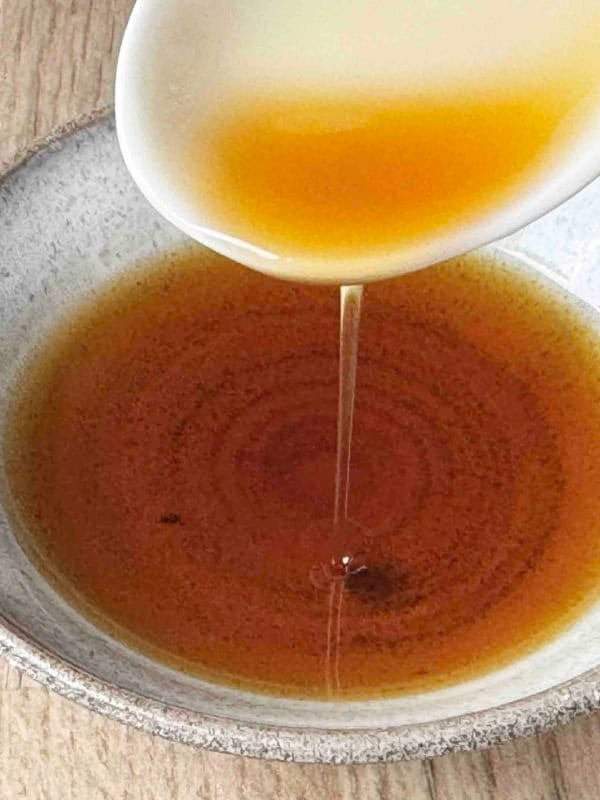
Dark soy sauce (老抽, lǎo chōu) is made from the same base as light soy sauce but is aged longer and mixed with molasses or caramel. This gives it a darker color, thicker consistency, and a subtly sweet, mellow flavor.
- Taste: Rich, slightly sweet, and deeply savory. Less salty than light soy sauce.
- Uses: Primarily used for color and visual appeal rather than seasoning. A small amount can dramatically deepen the color of a dish.
- Good to know: Many braised dishes rely on dark soy sauce for their characteristic appetizing color and glossy finish.
- Substitution: If a recipe calls for dark soy sauce and you only have light soy sauce, use a smaller amount and add a pinch of sugar. The flavor will be similar, but the dish will be lighter in color.
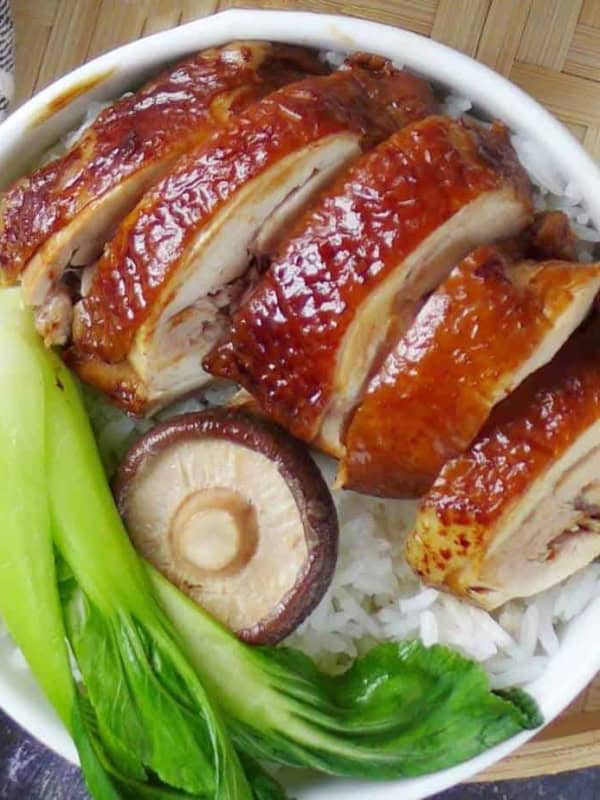
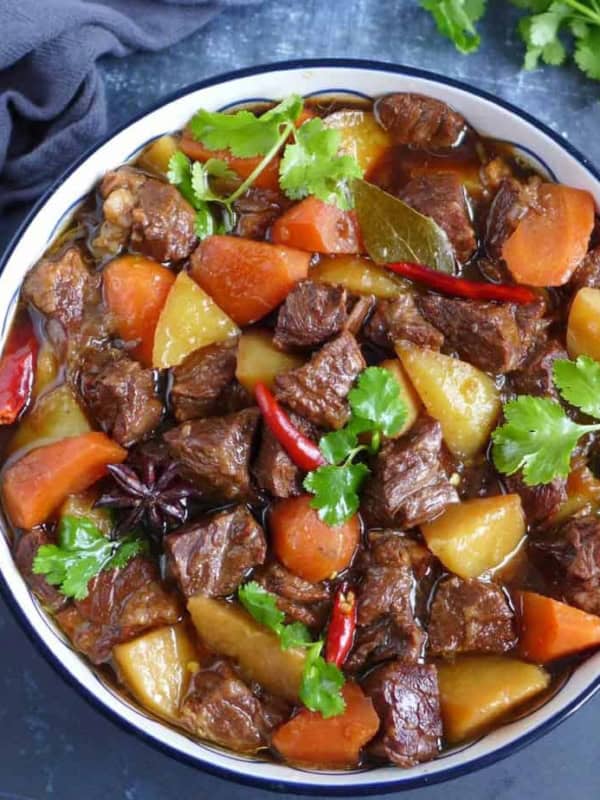
Recipes using dark soy sauce


Other Varieties Worth Knowing
Beyond light and dark soy sauce, you may come across several other varieties. My recipes don’t call for these, but it’s useful to know what they are.
- Seafood soy sauce (海鲜酱油): A seasoned soy sauce often made with seafood extracts and other flavorings. Slightly sweeter and more complex than regular light soy sauce and can usually be used in the same way.
- Steamed fish soy sauce (蒸鱼豉油): A seasoned light soy sauce designed for steamed fish. Slightly sweeter and more delicate than regular light soy sauce. Commonly used in Cantonese cooking.
- Mushroom dark soy sauce (草菇老抽): A dark soy sauce flavored with straw mushrooms. Used in the same way as regular dark soy sauce.
- Double-fermented soy sauce (双璜生抽): Made using a second round of fermentation, giving it a richer aroma and deeper flavor than regular light soy sauce.
- Soy sauce paste (酱油膏): A Taiwanese soy-based condiment with a thick texture and mildly sweet flavor. Often served as a dipping sauce or drizzled over snacks and street food.
- Spiced sweet soy sauce (复制酱油): A seasoned soy sauce traditionally made by simmering soy sauce with spices, sugar and aromatics. Popular in Sichuan dishes, such as Zhong Dumplings, it’s used as a dressing or dipping sauce rather than a pantry staple.
Dietary Notes
Most soy sauces are vegan. However, they usually contain wheat and therefore aren’t gluten-free. If you need a gluten-free option, look for specially labeled gluten-free soy sauce or tamari.
Storage
Store soy sauce in a cool place away from direct sunlight. Like most Chinese home cooks, I keep mine in a cupboard rather than the fridge. If you only use soy sauce occasionally, refrigeration can help preserve its quality for longer.











Super tasty! 🙂
the only light soy sauce for sale at grocery is less sodium.
same if search it online.
a specific link or brand you have bought would be good .
Soy sauce brands that are available outside China include Pearl River Bridge (珠江桥), Lee Kum Kee (李锦记) Haday (海天), etc. If a bottle labelled as “soy sauce”, you can use it as light soy sauce. Hope this is clear.
What brand of light soy sauce do you use?
Do you know if La Choy brand soy sauce is light or dark? It is dark in color but thin as water so I’m confused.
The soy sauce brands I use most often are Pearl River Bridge (珠江桥), Lee Kum Kee(李锦记) and Haday (海天). Light soy sauce looks dark too but it has a consistency like water. The dark version has a much thicker consistency.
Thanks for the info! Very useful
What about Black soy sauce? I have a bottle of it and I just noticed the ingredients contains molasses, so it’s a dark soy? Thank you!
Black soy sauce (or double black soy sauce) is another variety which has a thicker consistency and sweeter taste (because of the molasses) than dark soy sauce. However, in most cases it’s fine to use black soy sauce as a substitute for dark soy sauce.
Hiya, I’m really glad I have found this information. Nowadays bloggers publish just about gossips and net and this is really frustrating. A good site with exciting content, this is what I need. Thanks for keeping this site, I’ll be visiting it. Do you do newsletters? Cant find it.
Yes, you can subscribe here. Happy cooking!
Hello! I prefere to buy naturally brewed soy sauce, but I am not sure if it is light soy sauce or dark? Usually it is not specified.
Have a good day
Monica
Hi Monica! If it’s not specified, it should be light soy sauce (regular soy sauce). Have a great day you too!