
Hello & Welcome!
I’m Wei Guo, a food writer and recipe developer specializing in Chinese cuisine. Since 2017, I’ve been sharing Chinese recipes that are true to their roots and practical for home cooks outside China. I’m so happy to have you here!
I firmly believe that —
Anyone can cook delicious Chinese food at home!
LAtest
A Little Book News
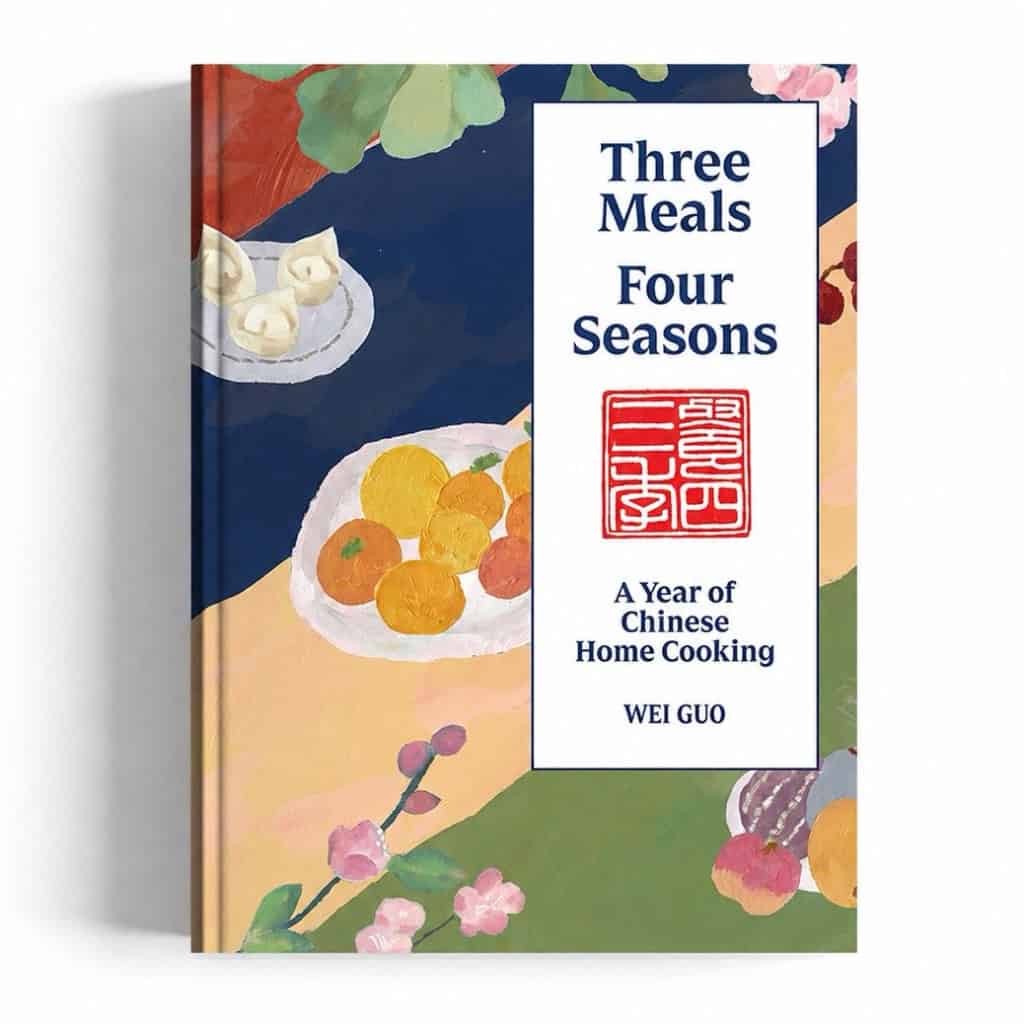
After nearly 10 years of sharing recipes on this blog, I’ve written my first cookbook! Three Meals Four Seasons brings together some of my most-loved dishes alongside many new recipes created especially for the book.
Are you someone who —
- Has experienced Chinese food while traveling, working, or studying in China
- Enjoys dishes from local Chinese restaurants or takeout
- Grew up eating Chinese food cooked by loved ones
- Has Chinese friends/relatives and often eat their homemade dishes
- Holds a curiosity for cuisines from around the world
- Looks for new ways to cook their favorite ingredients
If you’re nodding at one of those descriptions, you’ve come to the right place to learn!
What to find here
- Delicious Chinese dishes made for modern home cooking
- Simplified cooking methods for classic recipes without sacrificing flavor
- Recipes with precise measurements instead of “some of this”, “a little of that”
- Introduction to special condiments and their substitutes
- Tutorial videos and process shots to guide you through each step
- Recipe reviews for learning from fellow home cooks and asking me questions
“Your insight is invaluable! I have gone through each and every one of your recipes, and just adore your approach and technique.”
Jessica said:
“I’m so glad I found you! Your recipes are detailed, informative, and not overwhelming.”
My background
I was born and raised in Gansu/甘肃 province, China, where noodles, dumplings, and bao (all accompanied by a dash of chili oil) hold a special place in the hearts and meals of families.

*Image: My kitchen doubles as the Red House Spice HQ
Currently, I live in England, in a 100-year-old red brick house that inspired the name of the blog Red House Spice. Here, I spend my days with my husband and our two bundles of joy (aka the official RHS taste testers).
Having a professional background in journalism, I gained my recipe-development skills through countless made-from-scratch meals prepared for my family and friends over the years.
My food story
I don’t have a “learned cooking from my mama/grandma when I was young” type of story. But my parents, who are both fantastic home cooks, always involved me around food.

*Image: A dinner prepared by my parents
They allowed me to play in our tiny kitchen, let me savor the first bite, asked for my opinion, and included me in activities like pleating dumplings, hand-pulling noodles, wrapping Zongzi, and more.
While working as a journalist in Beijing, I didn’t cook much but I was a keen restaurant hunter. I spent most of my spare time tasting new dishes in the capital city where all Chinese regional cuisines meet (with Sichuan cuisine holding a special place in my heart).
Drawing from the immersive experiences in my childhood kitchen and countless dining adventures, I quickly developed a natural flair for cooking since I started living abroad where good Chinese food is hard to find.
My blogging journey
After taking a career break and spending a decade enthusiastically cooking at home, I found myself yearning to work in the food industry. Yet, I was unsure of the path that would lead me to fulfill this dream. Then a spontaneous idea struck me: Why not start a food blog?
Thus Red House Spice was born, becoming a platform where I could document the recipes that I had been cooking while embarking on a journey of learning new ones.

*Image: A visit to a culinary school specializing in hand-pulled noodles in Lanzhou, China
My sole and unwavering focus was on Chinese Cuisine right from the start, even though I enjoy cooking all types of food and I have a fondness for baking.
Why? Firstly, it’s the cuisine where my expertise truly shines. Secondly, I’m deeply passionate about demystifying the misconception that Chinese cooking is overly complicated because, truth be told, it’s surprisingly approachable and delightful to explore.

*Image: I hosted a fund-raising supper club at ESEA Community Centre in London
For example, in an interview with Tasting Table, I shared my thoughts on making dumpling dough: “If you keep it simple, it’s better. If you think too much, you might get into trouble.”
While the majority of my recipes center on classic and traditional Chinese dishes deeply rooted in Chinese culinary culture, like the beloved Red-Braised Pork Belly, I also feature recipes developed by Chinese chefs living outside China, including the iconic Fortune Cookies. In an interview with SAVEUR, I expressed my belief in celebrating American Chinese food as a unique regional cuisine deserving recognition.
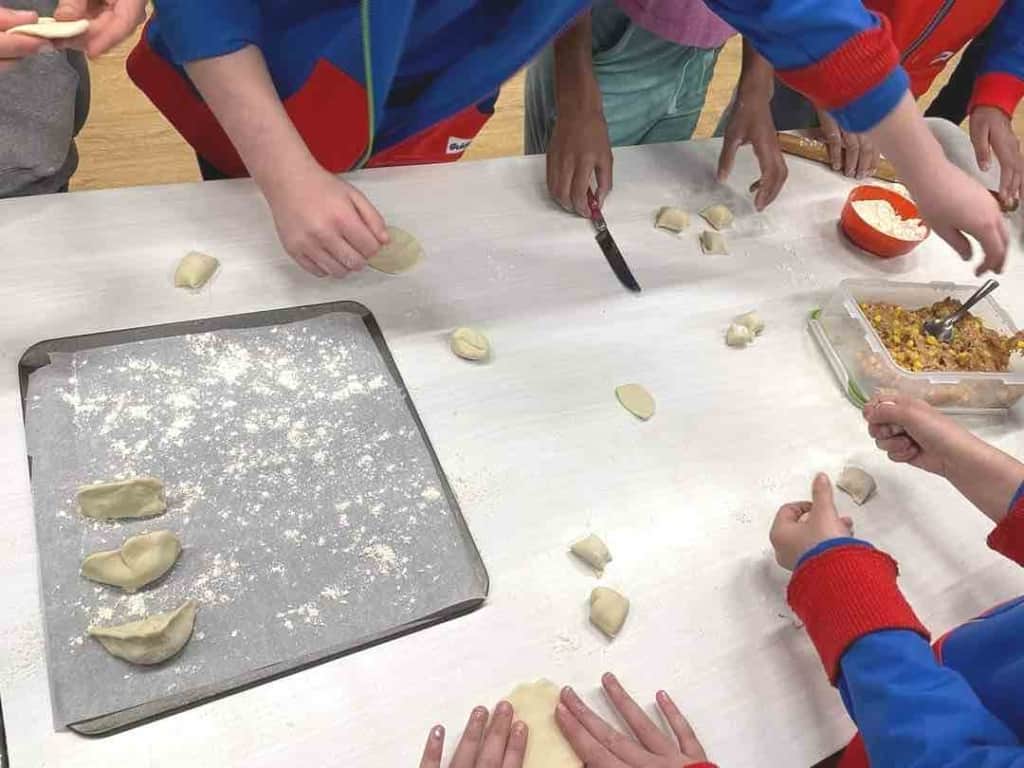
*Image: I organized a dumpling class for a GirlGuiding group
Over the years, Red House Spice has blossomed into something truly remarkable: a hub where I’ve connected with like-minded individuals from all corners of the globe.
I’m deeply grateful for the wonderful community that has formed around my blog. Your encouragement and enthusiasm continue to fuel my passion and bring boundless inspiration.

Wei’s Tips
How to use this blog
- Follow the recipe carefully when trying a dish for the 1st time. Then modify and twist as you wish.
- Visit my recipe archive for more inspirations.
- Click the magnifying glass at the top right to search for a particular dish.
- Press the “PRINT” button (located above the ingredient list in the recipe card) to produce your own hard-copy cookbook.
- Bookmark recipes by tapping the heart icon on the pages. For a better experience, create an account to synchronize all your favorite recipes across all your devices.
- Subscribe to my free weekly recipe newsletter, which includes an email cooking course to get you started.
FAQs
My post on 10 Essential Chinese Condiments will help you to achieve that.
Try these three: Tomato and Egg Stir-fry, Smashed Cucumber, and Ginger Chicken
There are so many! If I have to pick the top 5, they are:
Biang Biang Noodles
Pork & Cabbage Dumplings
Steamed Eggs
Hot & Sour Napa Cabbage
One-Pot Hainanese Chicken Rice
I invite you to subscribe to my free weekly recipe newsletter. As a subscriber, you’ll have direct access to me and can ask questions, suggest recipes, etc. Alternatively, leave a message in the comment section below.
In the past, I’ve done a few private cooking classes, a fund-raising supper club, and several Culinary Tours of China. However, at the moment I’m solely focusing on creating great content for this blog to satisfy the needs of the rapidly growing reader community. If I ever decide to jump into offline events again, I’ll make sure to spread the news through my newsletter and social channels (Instagram, Facebook).
Where to go next?
Thank you for taking the time to learn about me and my blog! Now, would you like to explore some recipes? Here are a few of the most popular categories:
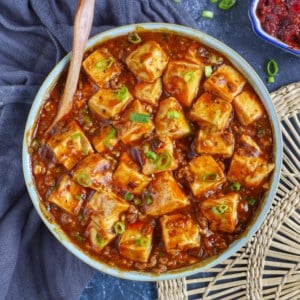

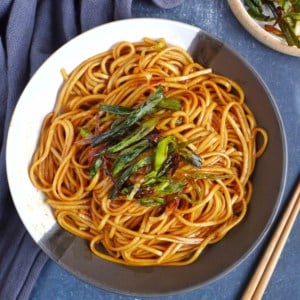

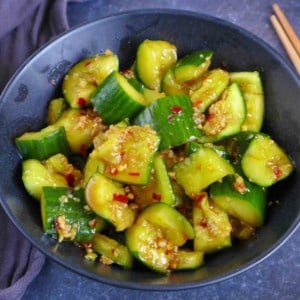
Portrait photo by Jenny Danilenko









I made your fried rice and it was DELICIOUS! I’m making your soy sauce chicken tomorrow night. I can’t wait. Thank you for the excellent recipes.
I hope the soy sauce chicken turns out just as well. Happy cooking, Susan!
WEI
I am a 92 yo Australian, who is switching to Asian food by choice, my problem is that salt (NACL) heightens my blood pressure to dangerous levels, can you suggest ways to lower the salt levels in my home cooking, because of where I live in a Subtropical zone in Queensland I will be growing/using my own vegetables and making my own pasta hopefully low salt/salt free.
I have downloaded your Ebook and would appreciate latest news and advice.
Respectfully
Ken Robinson
Thank you Ken for your message and for sharing this with me. I’m really glad you’re exploring Asian home cooking.
A good approach is to reduce salty ingredients gradually so your palate can adjust over time, and balance flavors with aromatics like ginger, garlic, scallions, chilies and herbs. Homemade stocks, fresh vegetables, and simple cooking methods such as steaming also help keep sodium low while staying flavorful. All the best!
Grate clear easy to read recepies.
Thank you so much for the appreciation! Happy cooking!
Will you ever do your food tour again?
Thank you for asking, Hayley! Not for the moment, as the blog is keeping me very busy, but I’ll keep it in mind.
你好!
I have been following your blog for a long time now. I am vegetarian and have tried nearly all of your vegetarian recipes (and a few non vegetarian ones too, which I adapted a little bit) Every single one is delicious! My very first time cooking authentic Chinese food was with your baozhi 包子 recipe. Absolutely delicious and not nearly as difficult as I thought it would be. I have through the years fallen in love with Chinese food and culture, I have been taking language classes at my university and am planning a trip to China. However, until I am able to enjoy mapo tofu in Chengdu, I will continue to enjoy eating your recipe. Thank you for making Chinese cuisine so accessible. I love learning from your blog and I look forward to trying any new recipe you post! 谢谢!
Thank you so much for this lovely message Maddie! It truly means a lot to hear how the recipes have supported your journey into Chinese cooking and culture. Until you get to enjoy mapo tofu in Chengdu, I’m very happy my version can keep you company. Wish you another year of fun cooking and delicious meals!
Is this the same as your oval ones with added baking powder? Texture difference? How would sourdough be in place if yeast? Would you still add the baking powder if doing a long ferment?
I’m not sure which recipe you’re referring to, but I assume you mean the dough used for bao buns. The yeast + baking powder method is designed to skip the first proof and make the process quicker. If you’re using sourdough with a long fermentation, there’s no need to add baking powder.
I love cooking dishes with lots of Bok Choy. The packages I get in the story are to big for one person, so after I wash and blanch them, can I freeze them?
Or keep them in water in the fridge?
I wouldn’t recommend freezing them, as the texture suffers. I usually keep bok choy unwashed in the fridge, then wash and cook only the portion I need for each meal.
Do you have a phone app?
Not at the moment, but the website works well on mobile. A dedicated app is something I may consider in the future.
I am loving your website. I have several recipes from you already. I love Asian food, particularly Chinese food
Thank you so much, Eileen! I’m really glad you’re enjoying the blog and the recipes. Wish you a fun time cooking Chinese food!
Your recipes look amazing cannot wait to try your dumpling recipes. I will keep my eye out for a recipe book by you. I have to say your instructions are incredibly well written and easy to follow for the beginner which I am. Thank you so much.!
Thank you for the kind words. I’m so glad you find the instructions easy to follow, and I really appreciate your interest in a future book.