
My first cookbook, Three Meals, Four Seasons – A Year of Chinese Home Cooking, is now available to preorder! It will be published in December 2026.
Hi! I’m glad you’re here. This page brings together notes from the making of my debut cookbook. It’s been an interesting journey, with plenty to learn along the way, and I’ve recorded it both for myself and for readers who are curious about how a cookbook comes together through traditional publishing. I hope you enjoy this look behind the scenes!
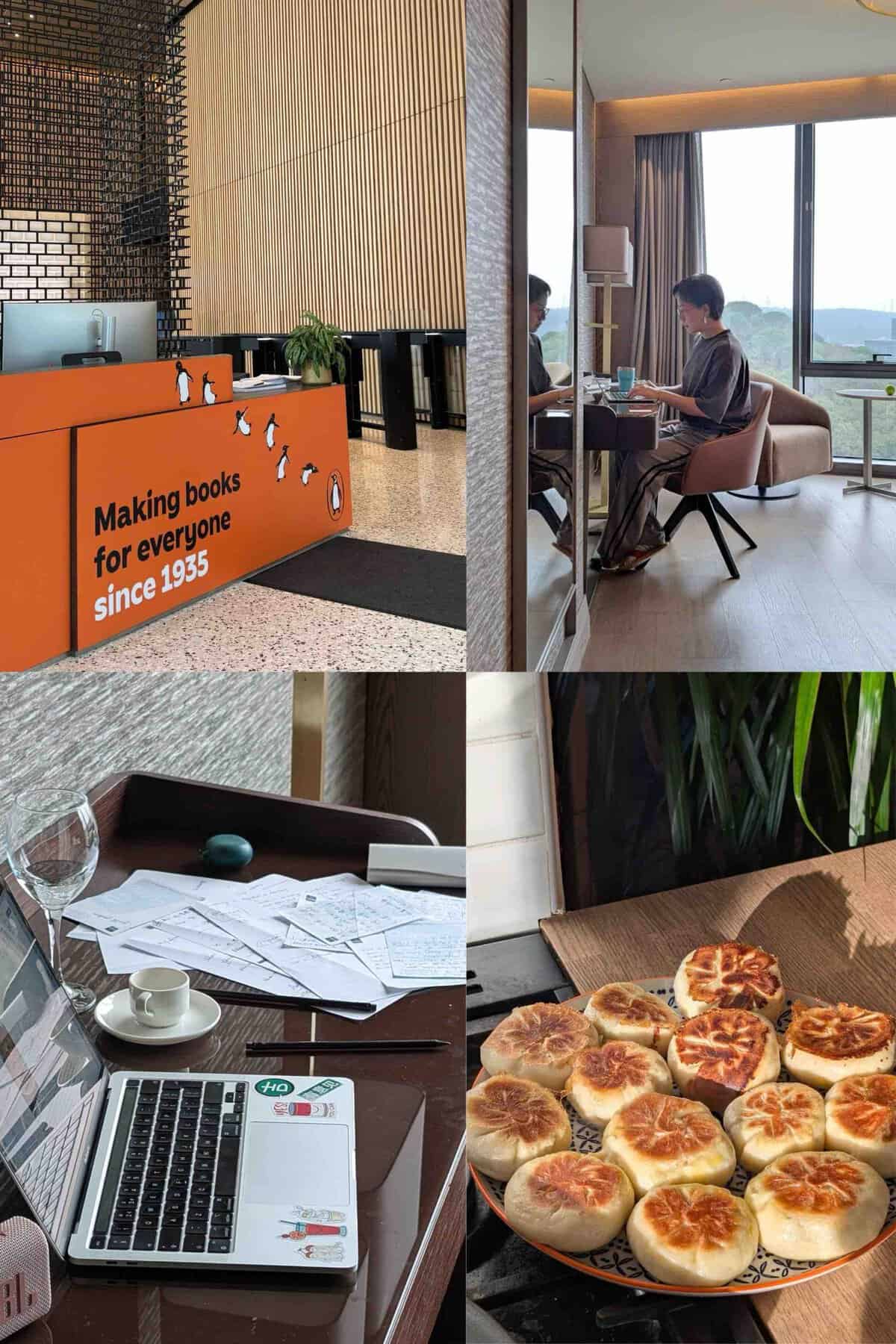
Table of Contents
- How the Idea Came Together
- What the Book Is About
- Putting Together the Proposal
- Finding an Agent
- Choosing the Publisher
- Refining the Recipe List
- Writing the Recipes
- Memories and Stories Behind the Recipes
- Recipe Testing
- Planning the Photography
- Working with the Photography Team
- The Magic on Set
- Editing the Manuscript
- Finding the Artistic Voice
- Filming the Tutorial Videos
- Designing the Book
- The Cover Journey
- One Last Read
- Cookbook FAQ ⭐️
How the Idea Came Together
Writing a physical cookbook has always been somewhere at the back of my mind since I started this blog. Over the years, I’ve had conversations with publishers, but I never quite felt ready. I didn’t have a clear way to bring my recipes together into a book that felt coherent and true to how I cook at home.
That changed when the idea of Three Meals, Four Seasons/三餐四季 came to me. It immediately felt right, a simple framework that could hold everything together. By then, I also felt more ready in other ways: my understanding of the cuisine had deepened, my recipe writing had improved, and I had a much clearer sense of what my readers are looking for. All of this combined made me feel that the time was right to finally work on a physical cookbook.
While the blog is where I share recipes one by one, a cookbook allows me to bring them together in a more complete and cohesive way. With a thoughtful theme, a clear structure, and new dishes added, it becomes something you can cook from and return to in a different way.
What the Book Is About
Three Meals, Four Seasons reflects how I cook at home — simple, everyday Chinese dishes that fit naturally into daily life. The idea comes from the Chinese concept of 三餐四季 (sān cān sì jì), finding comfort in the rhythm of regular meals and the quiet changes across the seasons.
The book is organised by seasons, with dishes for breakfast, lunch, and dinner, along with iconic recipes for festivals and special occasions from the Chinese calendar, including a dedicated chapter on Chinese New Year.
The recipes are written with home cooks in mind, using accessible ingredients and clear, practical methods, without compromising the identity of each dish.
Putting Together the Proposal
Before a cookbook is commissioned, it usually starts with a proposal. It’s essentially a plan for the book (think a business plan), outlining the idea, structure, and direction so a publisher can see what you’re trying to make.
Putting this together took me nearly three months. It felt very different from writing for the blog. Instead of focusing on individual recipes, I had to step back and think about how everything fits together, how to present Chinese home cooking in a clear, structured way that reflects how I cook.
It also made me think more carefully about what kind of book I wanted to write. Not just a collection of recipes, but something with a clear voice and purpose. For me, it’s less about telling my own story, and more about sharing the cuisine in a way that feels honest, practical, and useful for home cooks.
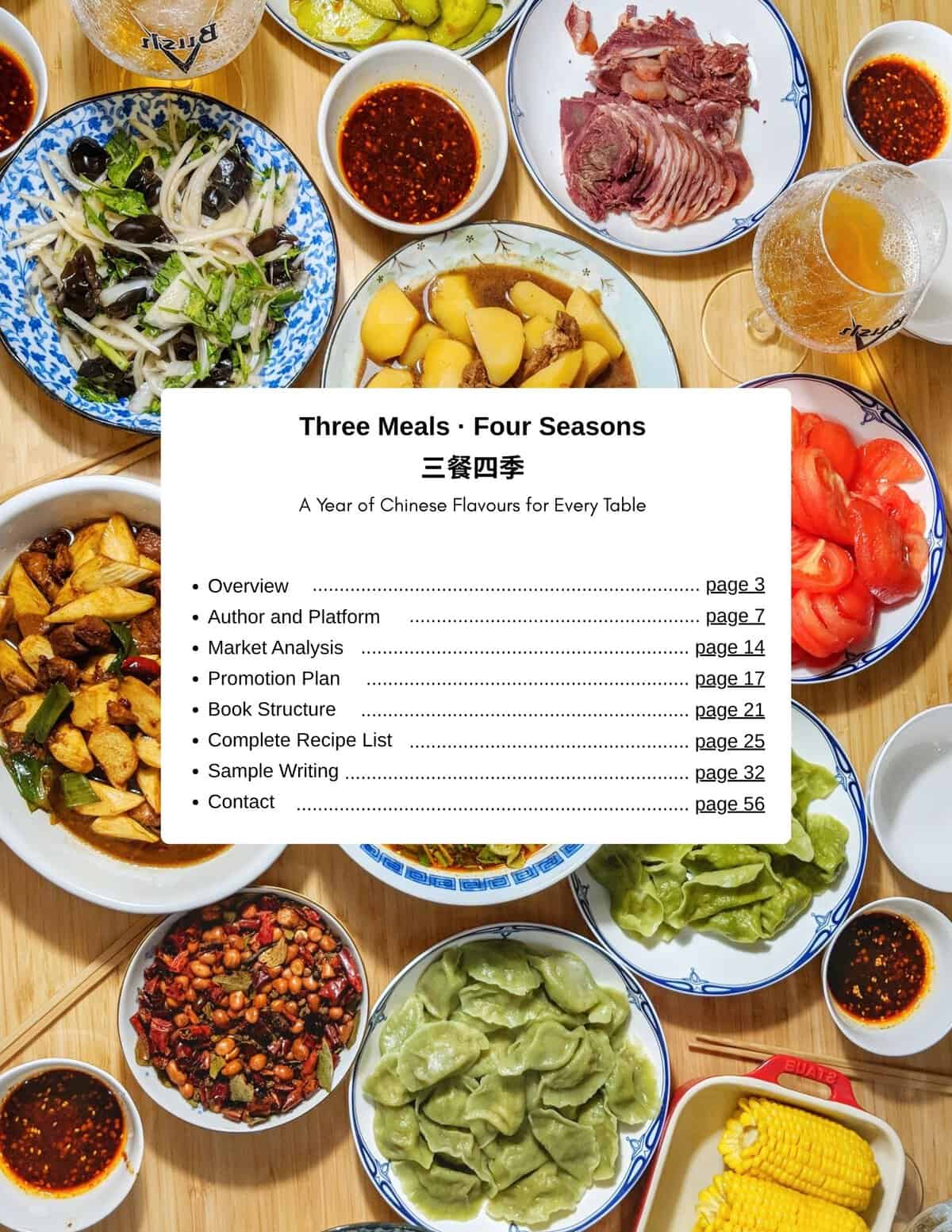
As shown in the table of contents screenshot above, the proposal covers several aspects of the book: why I’m the right person to write it, how it fits in the market, its positioning, structure, and a full recipe list. The recipe list didn’t come together overnight. I checked my “cookbook ideas” folder, and the first note was from January 2021. So in many ways, this part had been building for years.
I also included a chapter essay and nine recipes as sample writing. The essay gave me a chance to write in a slightly different, more evocative way, which I really enjoyed.
Many proposals are quite text-heavy, but I included a lot of visuals. That reflects how I work, but also helps set the tone and gives a clearer sense of how I imagine the book to look and feel.
This proposal was later shortlisted for the Jane Grigson Trust Sous Chef Award, which recognises promising work at the proposal stage. It was a really encouraging moment early on.
Finding an Agent
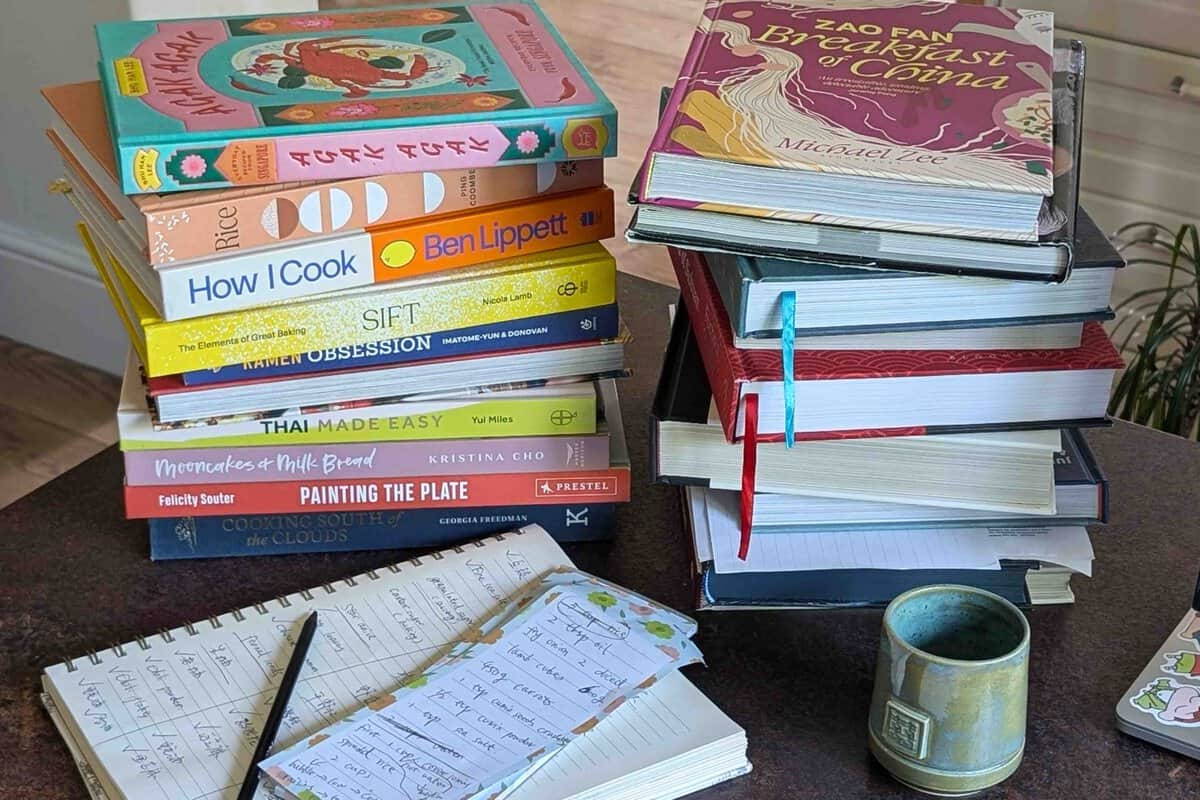
Even before finishing the proposal, I already had a small list of literary agents I was interested in approaching. One agent, Emily Sweet, had always stayed at the back of my mind because I genuinely admired several books written by her clients, including Sift, Agak Agak and How I Cook. Those books always felt thoughtful, distinctive, and carefully made. Luckily, when I reached out with my proposal, her response was very positive from the start.
Working with an agent was incredibly helpful. Beyond approaching publishers, Emily also helped refine the proposal itself. One important change was reducing the number of recipes to make the book more focused and cohesive. It reminded me that a good cookbook isn’t about including everything possible, but about choosing what serves the book best.
Choosing the Publisher
In the end, the proposal went through an auction process, and I eventually signed with Quadrille, an imprint of Penguin Random House.
Of course, the offer itself mattered, but what mattered more to me was finding the right publishing home for the book. From the very beginning, the Quadrille team understood the vision clearly and respected what I wanted the book to be. They also took time to understand my readers and the kind of cooking I share online.
Quadrille is especially well known for thoughtful, visually strong books on international cuisines, which felt like a very natural fit for this project. I also felt they understood the cultural nuances I wanted the book to carry and respected my vision from the start, rather than trying to reshape it into something more generic or trend-driven.
Visual storytelling has always been an important part of my work, so it was reassuring to know the book would be developed with that same level of care.
Another important factor was distribution. Since my readership is spread across many countries, working with a large international publisher gives the book a much better chance of reaching readers around the world.
Signing the deal was one of those moments when everything suddenly felt very real. After years of quietly thinking about the idea in the background, the book was finally beginning to take shape properly.
Refining the Recipe List
Once the publishing deal was signed, it was time to turn the proposal into a real book. One advantage I had was that I wasn’t starting from scratch. Over the years, I had built up a large collection of recipes, some published on the blog, others cooked regularly for my family but never written down. Many of these dishes were already familiar to me. The challenge wasn’t coming up with recipes, but deciding which ones truly belonged in the book.
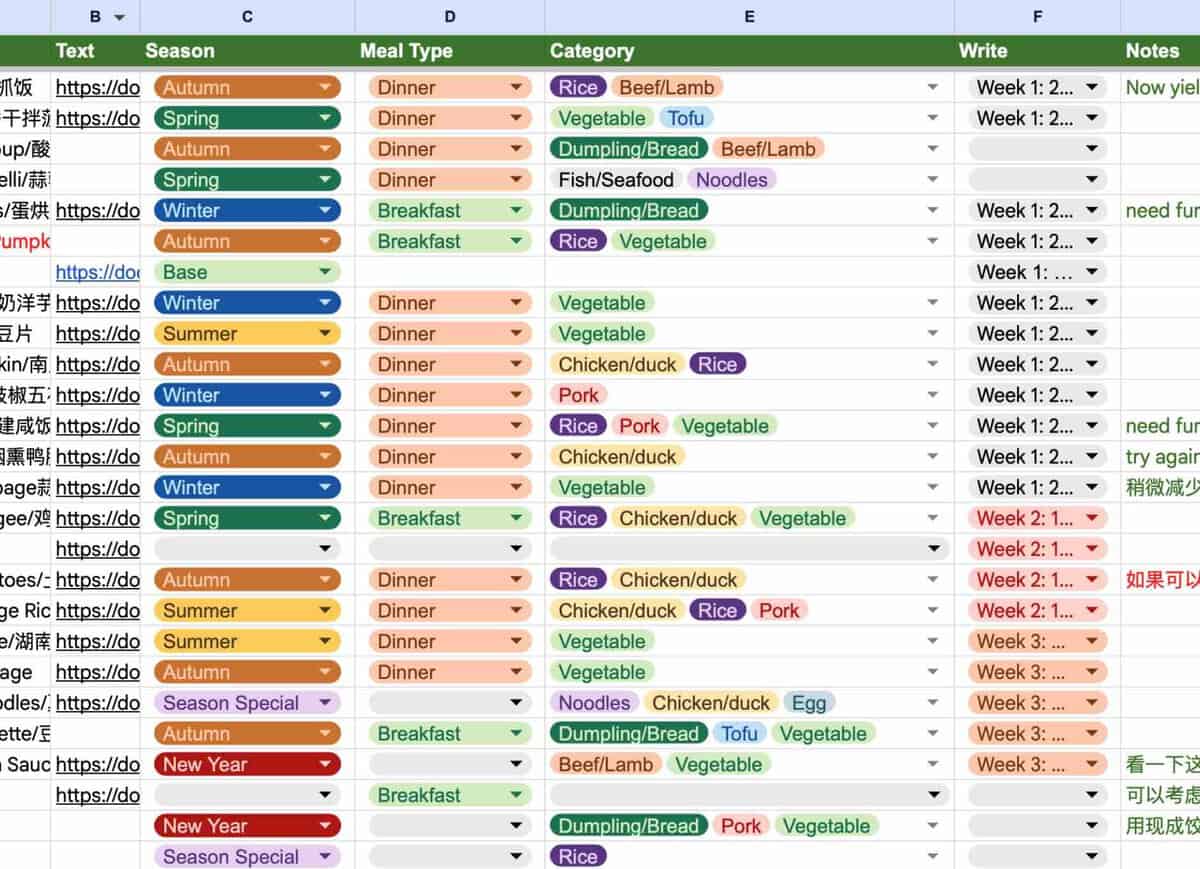
Because Three Meals, Four Seasons is organised around the seasons and meal types, the first step was carefully refining and reorganising the recipe list. This took much longer than I expected. Modern food distribution means very few ingredients are only available during a particular season, so I wasn’t simply grouping recipes by ingredient availability.
Instead, I thought about each dish from several angles: seasonal produce, cultural traditions, family eating habits, and my own memories of how food changes throughout the year. The result is flexible rather than strict, but every recipe is placed in its season for a reason.
The process also forced me to think more systematically about Chinese home cooking. What makes a balanced family meal? How do different dishes complement one another? How do cooking methods work together so that everything can reach the table efficiently? These are things I naturally do when cooking, but the book required me to examine them much more carefully.
To help with this process, I spent a lot of time working with spreadsheets. I looked carefully at the mix of proteins, vegetables, cooking methods, flavours, and levels of complexity. A cookbook isn’t just a collection of good recipes. The recipes also need to work well together.
Writing the Recipes
Once I was happy with the recipe list, the real writing began. My process looks like this: After developing and cooking a dish, I write down the ingredients and method, then return to refine the wording and check that everything makes sense. I then cook it again using only the written recipe, making adjustments to improve clarity and consistency. Every recipe went through multiple rounds of cooking, writing, and revision before making its way into the manuscript.
Writing recipes for a cookbook feels quite different from writing for the blog. On a website, I have plenty of space to explain ingredients, techniques, and troubleshooting tips, and readers can follow links to learn more. A cookbook is much more self-contained. Space is limited, so every recipe needs to stand on its own.
Without step-by-step photos or clickable links, the challenge is finding the clearest and most efficient way to explain a dish while keeping the instructions concise and easy to follow. The publisher also has a house style that all recipes need to follow, which added another layer of refinement.
One thing I’m particularly excited about is that the book will include QR codes linking to tutorial videos for selected recipes. Some techniques are simply easier to demonstrate than describe, and the videos will provide extra guidance where it’s most helpful.
Memories and Stories Behind the Recipes
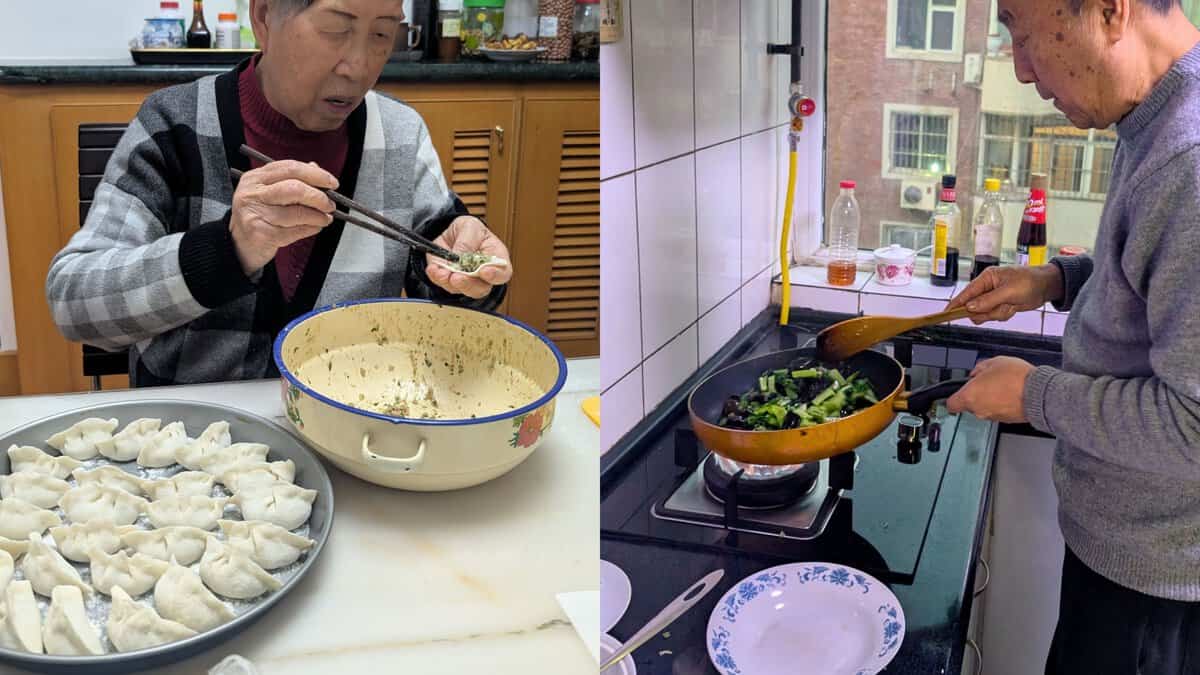
After finishing the recipes themselves, I moved on to writing the recipe headnotes, chapter essays, and the book introduction. This was probably my favourite part of the manuscript.
On the blog, I mostly focus on helping readers cook successfully, so my writing tends to be practical. The cookbook gave me a chance to write in a more reflective way, exploring the stories, memories, and cultural connections behind the food. It was something I had wanted to do for a long time, so I was delighted to finally have the opportunity.
Writing these pieces also led to many conversations with my parents. As we talked through family memories and cooking habits, I found myself reflecting more deeply on how my understanding of Chinese food had been shaped. It brought back details I hadn’t thought about for years, such as how we stored vegetables in an underground cellar through the long winters, and the lively discussions around planning the perfect Chinese New Year menu.
While this book is not simply a collection of family recipes, much of what I know about cooking comes from growing up in a household where both of my parents cooked every day. Looking back, working on the book has brought me even closer to them, which has been one of the most meaningful parts of the journey.
Recipe Testing
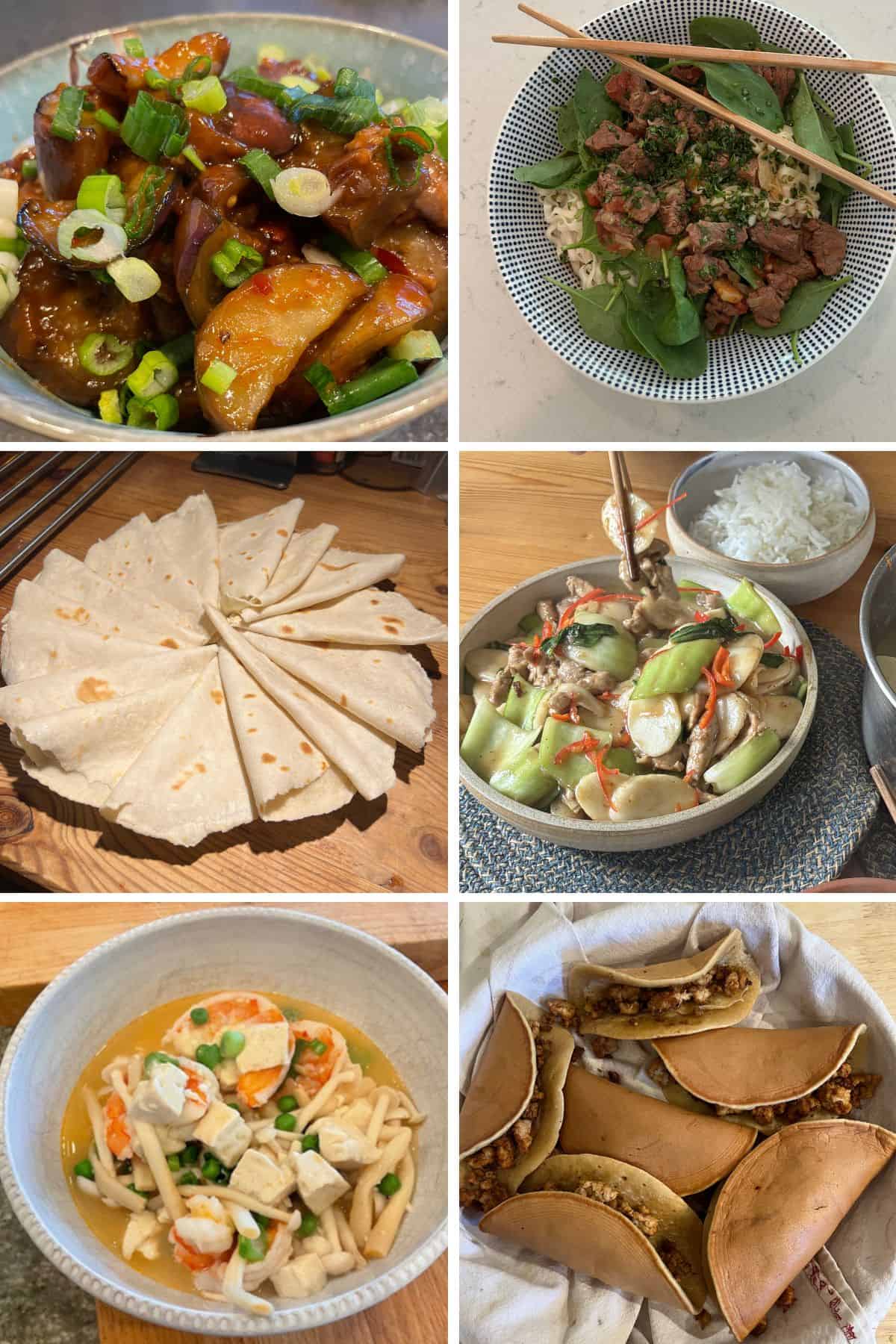
Once the manuscript was complete, it was time for one of the most important stages: recipe testing.
Alongside a few friends who work professionally with food, I invited my blog readers to become recipe testers. I was overwhelmed by the response. More than 1,000 people applied, and what touched me most wasn’t the number, but the reasons they gave. Many wrote that my recipes had helped them over the years, and they simply wanted the opportunity to give something back by helping make the cookbook even better.
There were far more qualified applicants than I could possibly include, so I selected the testers by a lucky draw. To everyone who took the time to apply, thank you! Your enthusiasm and generosity meant more to me than you know.
Each tester received a few recipes, together with detailed guidance on what to look for. The goal wasn’t to judge whether they liked the dishes, but to see how well the recipes worked on the page. Were the instructions clear? Did the ingredients make sense? Were the timings and serving sizes realistic? Was there anywhere they had to stop and reread a step?
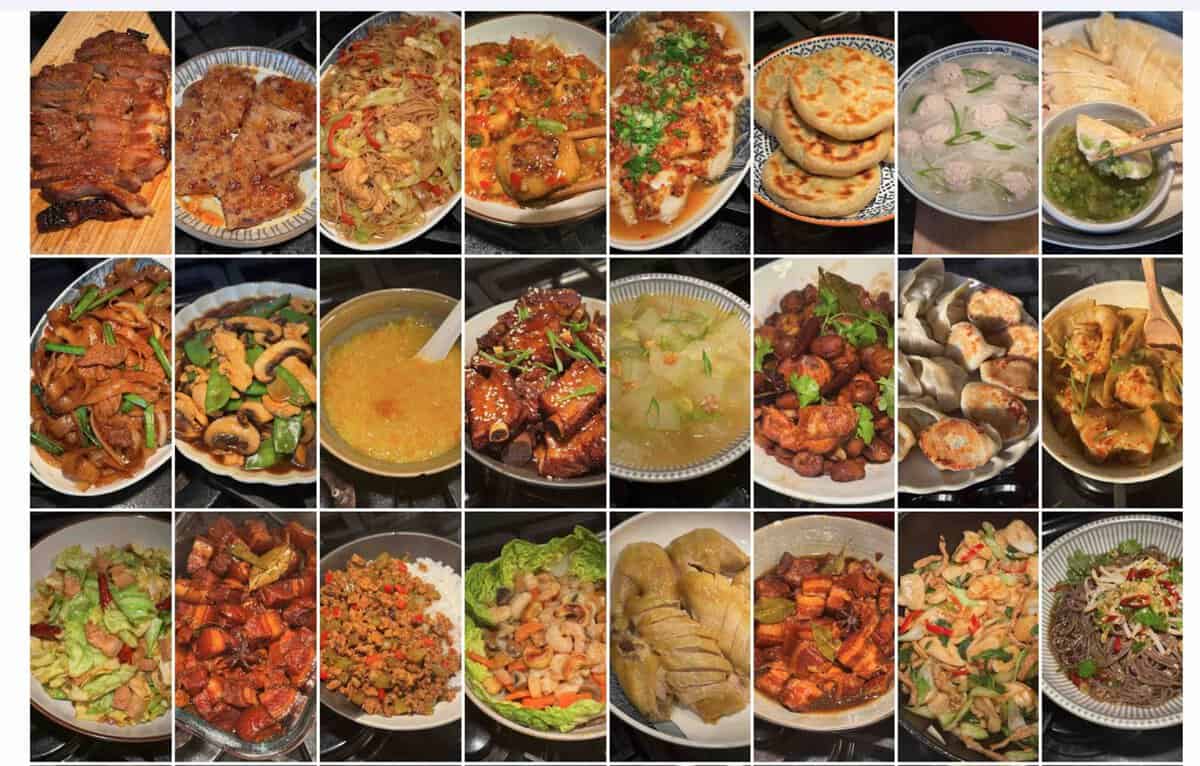
Over the following weeks, I received thoughtful feedback and photos of dishes cooked in home kitchens (see the photo collage above). The comments helped me spot places where the wording could be clearer and small details could be refined, making the recipes easier to follow for future readers.
Seeing the recipes come to life in so many different kitchens was incredibly rewarding. It was one of the first moments when the book no longer felt like something I was making on my own, but something being shaped together with the community that has supported Red House Spice from the very beginning.
Planning the Photography
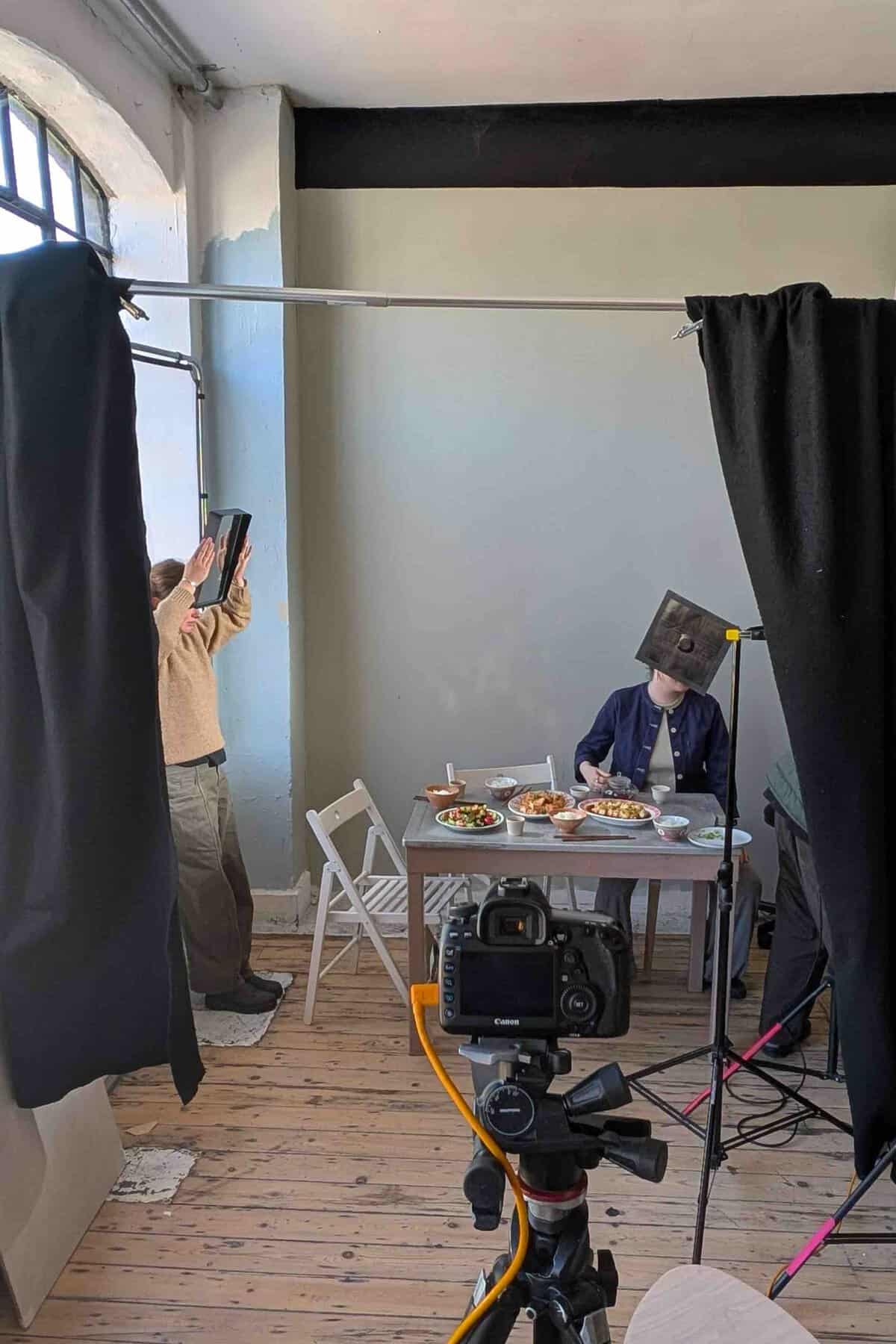
For the blog, I’ve always photographed my own recipes. My focus is usually simple: to show readers as clearly as possible what the finished dish should look like. For the cookbook, however, I wanted to take a different approach.
As an avid cookbook collector, I’ve long admired the photography in several books on my shelves, many of them shot by photographer Sam A Harris. When it came to my own book, I hoped I might have the chance to work with him too. I was over the moon when my publisher managed to make it happen.
Cookbook photography tells a different story from blog photography. Rather than simply showcasing a finished dish, it helps create the mood and atmosphere of the book. Together, we wanted the images to capture not only the food itself, but also the feeling of gathering around the table, the rhythm of the seasons, and the warmth of sharing meals.
One feature I’m especially excited about is the use of several double-page spreads, an idea my publisher encouraged from the beginning. Rather than showing a single dish, these panoramic images allow multiple recipes to come together in one scene, creating a stronger sense of season, celebration, and sharing around the table. It’s a treatment you don’t often see, and I think it adds another layer of visual storytelling to the book.
Working with the Photography Team
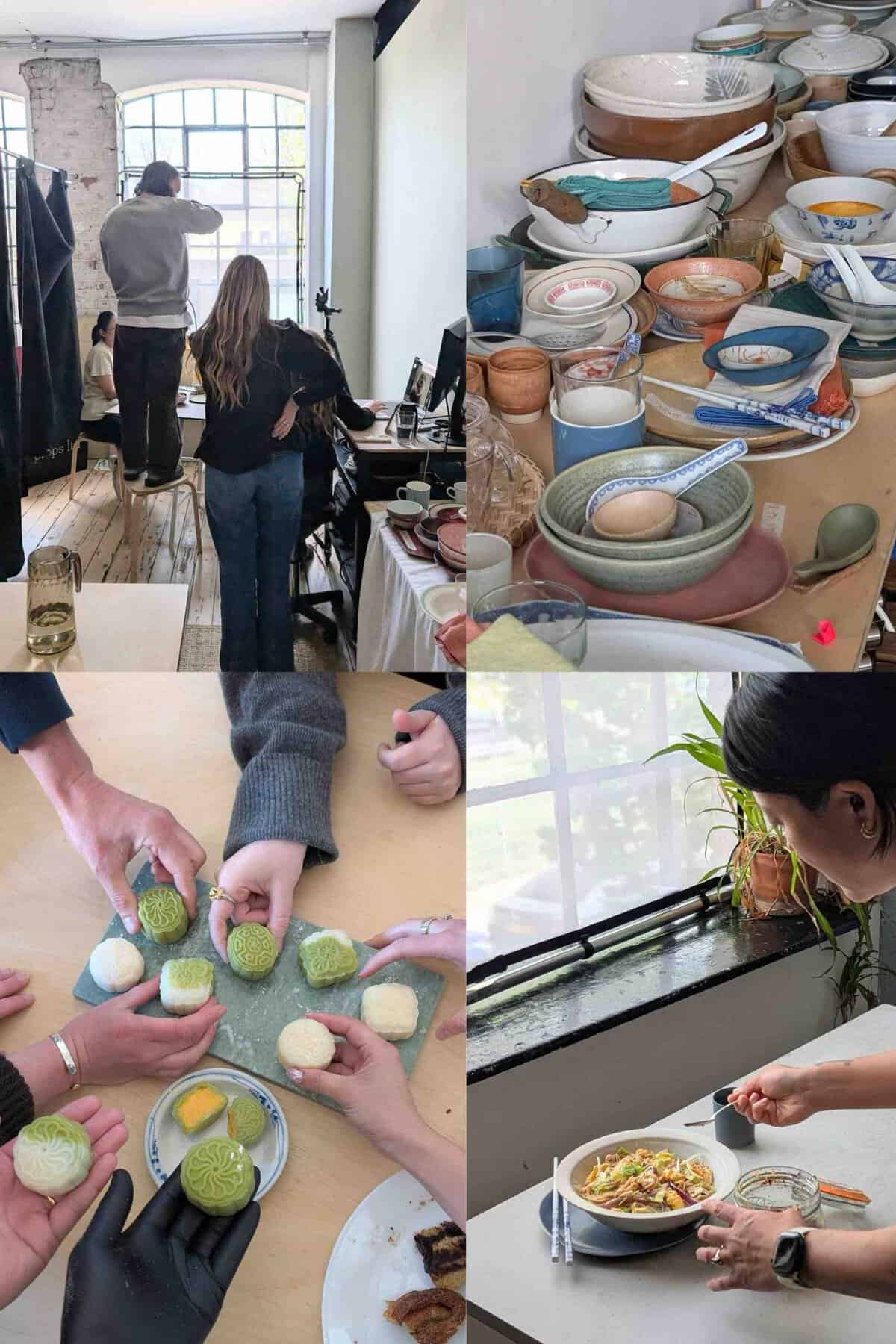
One thing that surprised me was just how many people were involved in each photo shoot. The team included the photographer and their assistant, the food stylist and their assistant, the prop stylist, the book designer, my commissioning editor, my editor, and me. Everyone brought a different area of expertise, and it quickly became clear that a cookbook is truly a team effort.
One thing many people don’t realise is that it wasn’t me cooking the food on set. That was the role of our food stylist, Sam Dixon. Watching her recreate my recipes with such skill and precision was both inspiring and reassuring.
Although authors don’t usually need to attend the shoots, I chose to be there throughout. I was curious to see the process, but I also hoped to help whenever needed, making sure the food stayed true to the vision behind the book.
Being there proved invaluable. In many ways, the photo shoots became another round of recipe testing. Watching someone else cook directly from my written recipes helped me spot a few final details that could be improved, allowing me to make one last round of refinements to the manuscript.
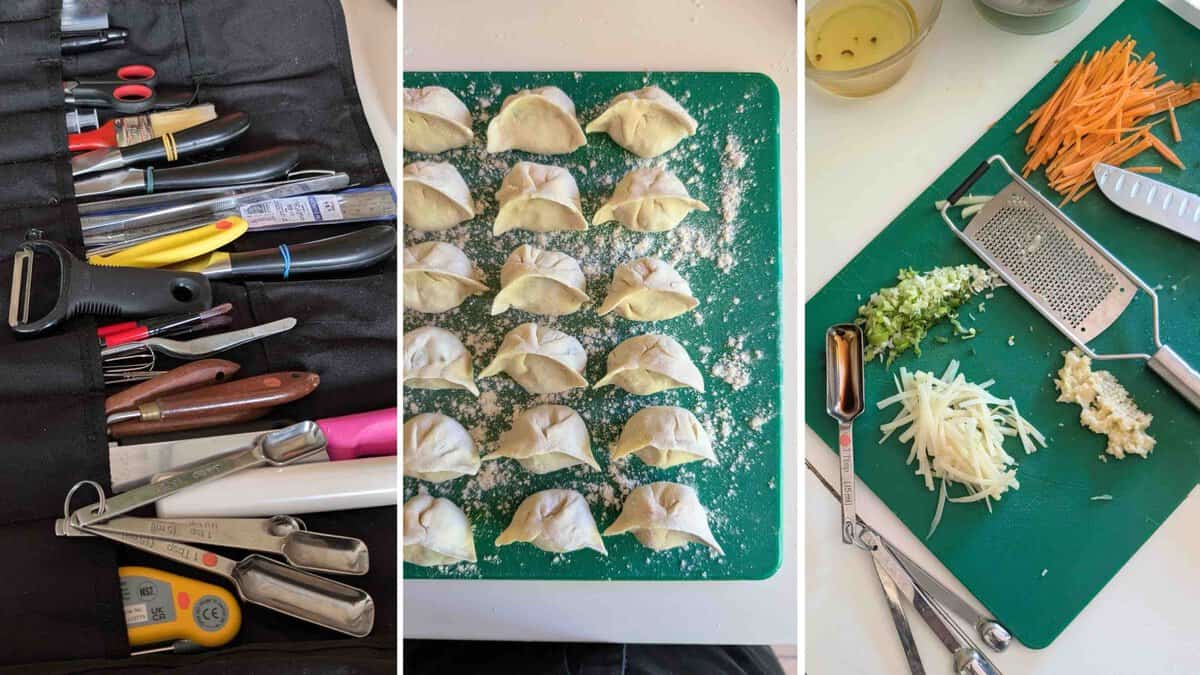
What I enjoyed most was the collaboration. We were constantly exchanging ideas, from choosing the right serving vessel to discussing how a dish should feel on the page. Sometimes I’d explain the cultural background behind a recipe, while the team would suggest visual details that instantly brought that story to life.
I still remember describing one of the dishes as a simple street food, and within moments Sam, the photographer had swapped in humble plastic plates with a slightly crumpled tissue. It was such a small touch, yet it captured exactly the atmosphere I had in mind.
Throughout the shoot, I always felt respected as the author. The team regularly asked for my thoughts before finalising a scene, while I learned just as much from their creative experience. It never felt like my vision or theirs. It felt like we were building something together.
The Magic on Set
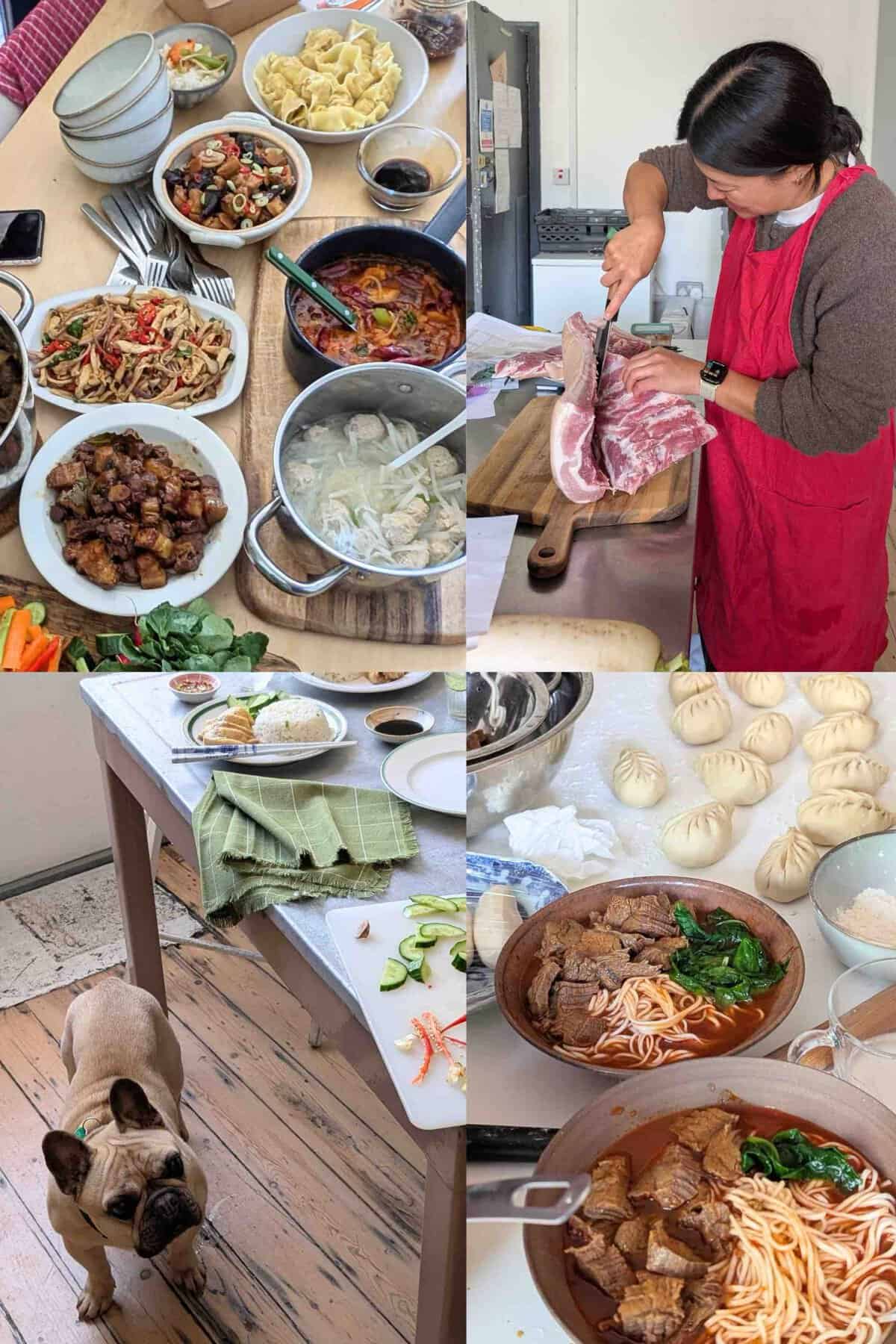
The photo shoots were, without doubt, one of my favourite parts of the entire cookbook journey. Watching a group of talented people bring the book to life was inspiring, and I enjoyed every minute of it.
I was amazed by how much we achieved each day. With everyone working so efficiently and seamlessly together, we often prepared and photographed more than ten dishes in a single day, all while maintaining a calm and enjoyable atmosphere. What surprised me most, though, was that every dish was cooked completely from scratch, carefully following my recipes.
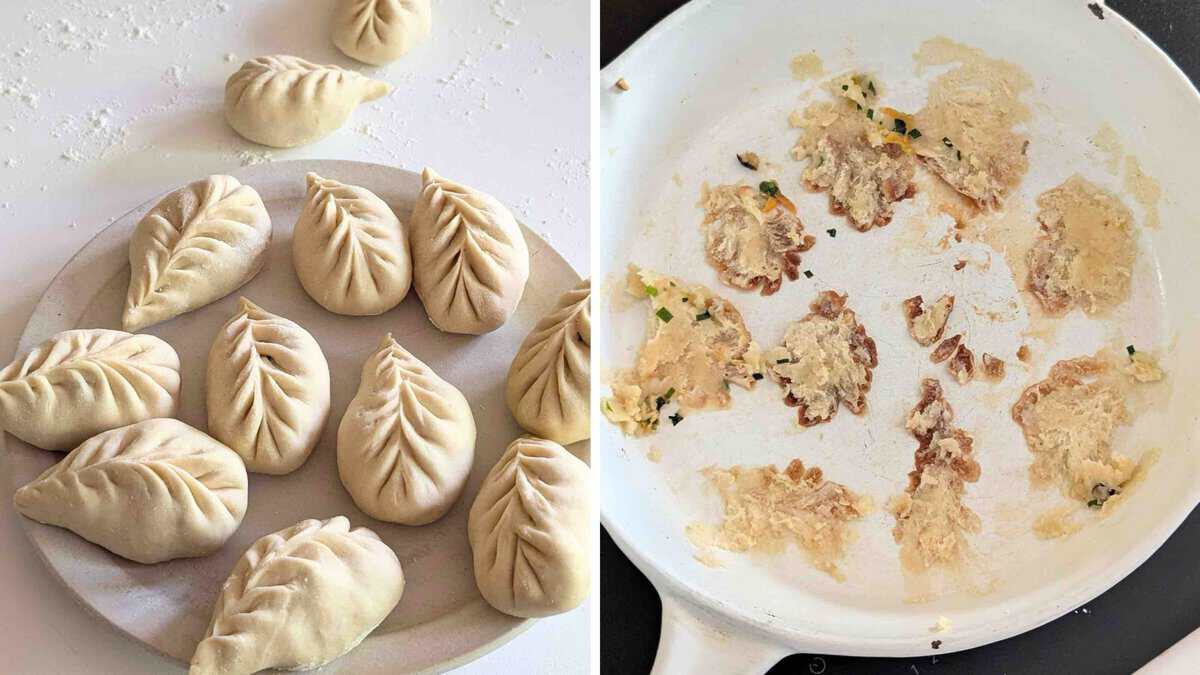
We weren’t simply creating food that looked good for the camera. Every dish was prepared exactly as it would be at home, with the same care and attention to flavour as if it were being served at the dinner table. And when something wasn’t quite right, such as a batch of pan-fried bao that didn’t develop the beautifully crisp, golden base we were after, we simply cooked it again rather than compromising.
Every day, once the morning session finished, we gathered around the table to enjoy the dishes we’d just photographed. It quickly became everyone’s favourite moment of the day. At the end of each shoot in late afternoon, the remaining food was carefully packed into containers for everyone to take home, making sure nothing went to waste.
Looking back, the photo shoots gave me far more than beautiful images for the book. They were a chance to learn from an incredibly talented team, exchange ideas, and experience the joy of bringing a shared creative vision to life. They’re memories I’ll always treasure as part of the journey.
Editing the Manuscript
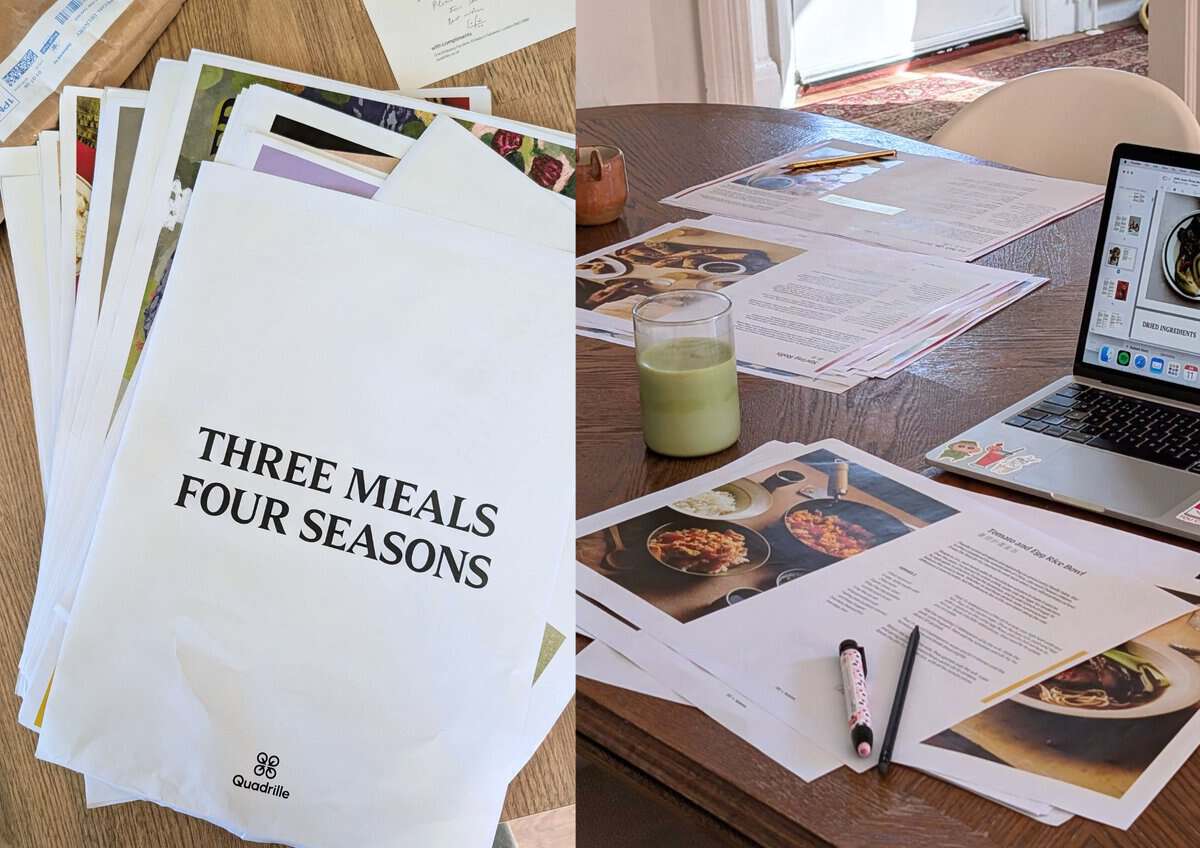
One of the things I found most daunting about writing a cookbook was knowing that, once it went to print, there would be no opportunity to make changes. I can simply update a blog post whenever I spot a typo, receive a helpful suggestion or find a clearer way to explain something. A printed book is different: every word is fixed. Despite everyone’s best efforts, perfection is impossible.
In traditional publishing, the manuscript goes through several rounds of editing. It begins with copy editing, where grammar, wording, consistency and clarity are carefully reviewed. Once the pages are designed, the text is checked a few more times to make sure every element works together on the page. Finally comes proofreading, one last chance to catch anything that has slipped through. Throughout the process, I worked closely with the editorial team, answering questions and refining the manuscript.
The most valuable part of the process was having fresh pairs of eyes. Every new reader notices things I no longer see because I naturally take some things for granted. One question from the copy editor came up several times: why did I ask readers to mix dumpling or bao fillings with chopsticks in one direction? This question made me realise that what feels obvious to one person may not be to another. In a Chinese kitchen, chopsticks are one of the handiest cooking tools. Mixing in one direction helps create a sticky, cohesive filling by aligning the meat fibres and incorporating the liquid evenly.
For the final proofread, I even recruited my two children. I wanted them to be part of a book I hope they’ll one day cook from, but they also brought a perspective no one else could. They’re not experienced cooks yet, so they naturally asked the kinds of questions beginners might ask. It was a lovely reminder that every reader approaches a cookbook differently.
Finding the Artistic Voice
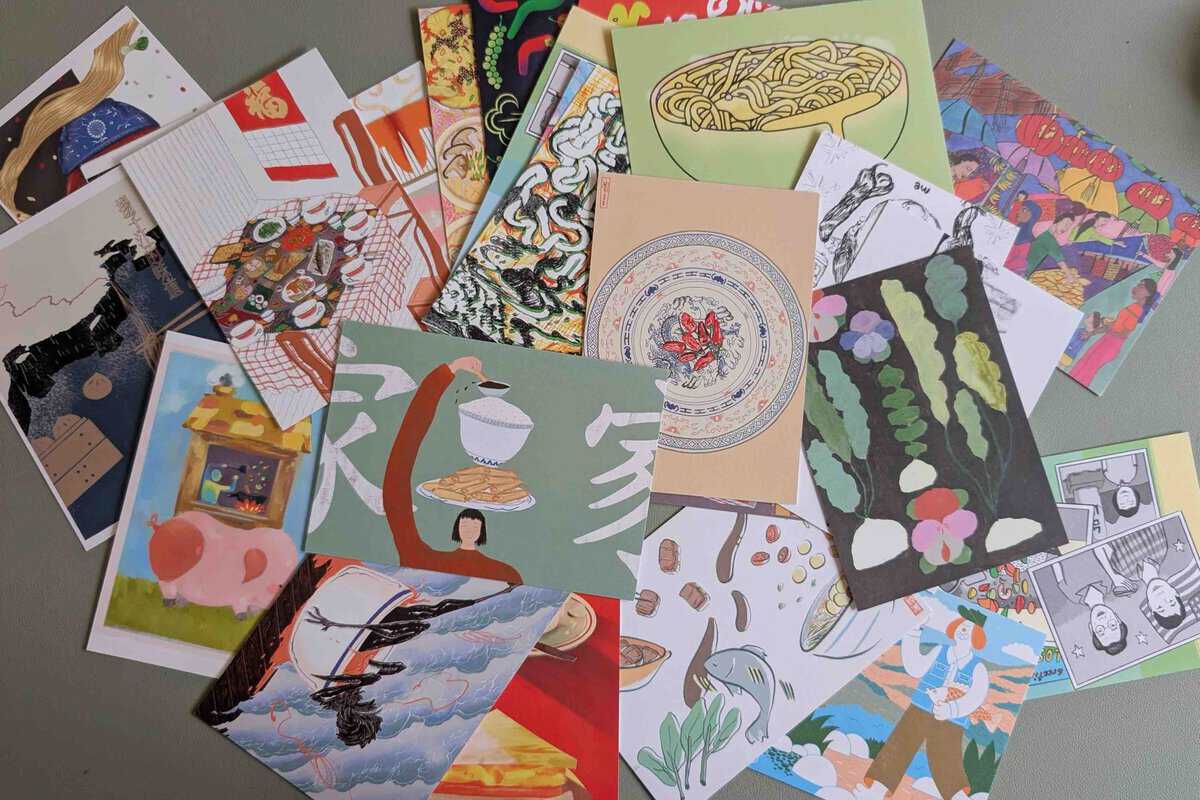
From the very beginning, I knew I wanted the book to include original artwork. I envisioned it having a gentle, poetic feel that complemented its seasonal theme, adding another layer of storytelling beyond the recipes.
I also hoped to work with an artist of Chinese heritage, as it felt important to find someone who instinctively understood its cultural roots.
One thing I truly appreciated was that my publisher invited me to suggest an illustrator, rather than choosing one without my input. I spent many hours exploring different options hoping to find the right person. Then, I did!
The moment I saw Charlotte Mei‘s work, I knew it was exactly what I had been looking for. It wasn’t something I could easily explain. It simply felt right. From our very first conversations, I knew we shared the same vision. One of her comments especially stayed with me: ‘this was a book they genuinely wanted to own and cook from themselves’. That meant a great deal to me.
Looking at the finished artwork now, I honestly can’t imagine the book without it. It has become every bit as important to the book’s identity as the words on the page.
Filming the Tutorial Videos
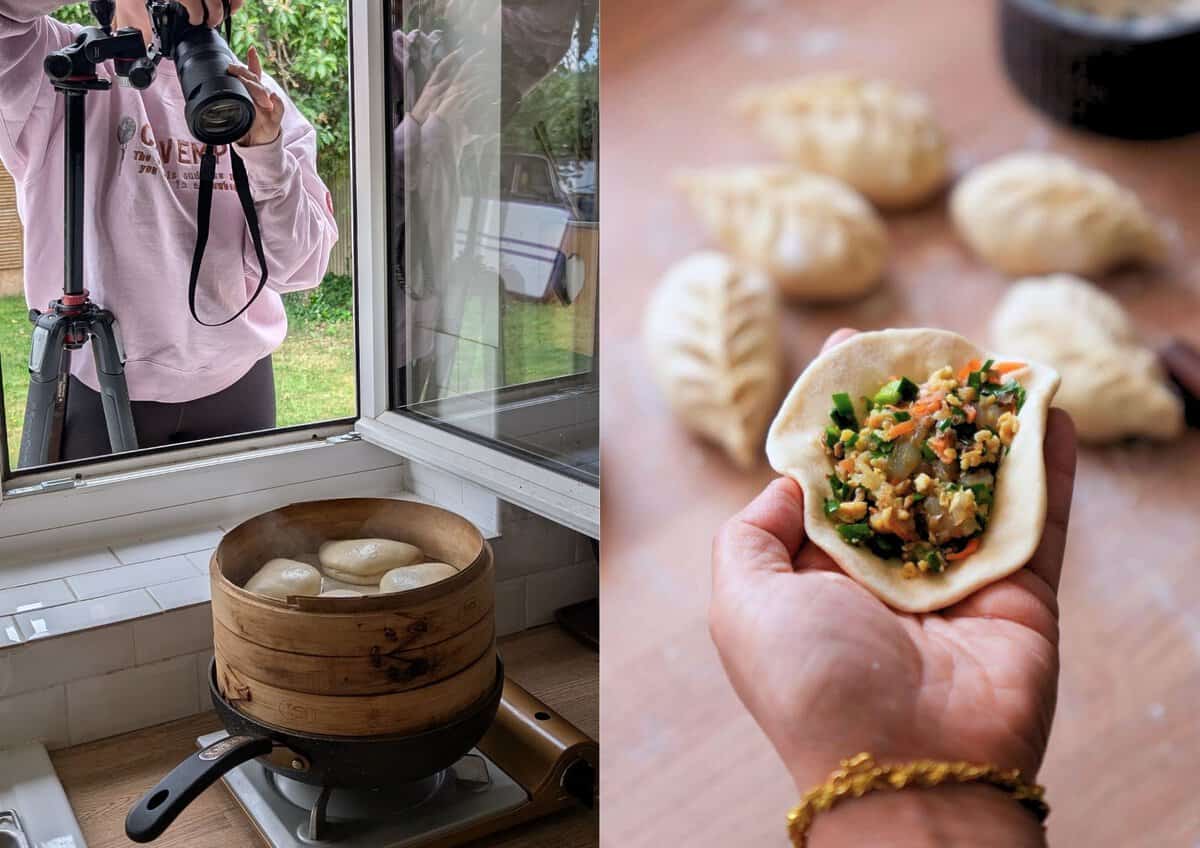
As you know, some cooking techniques are easier to understand when you can see them in action. That’s one limitation of a printed cookbook. To bridge that gap, 25 recipes in the book are accompanied by a short tutorial video, accessible via a QR code.
The videos aren’t intended to replace the written recipes, but to give readers more confidence. They focus on techniques that benefit most from a visual demonstration, such as judging dough consistency, pleating dumplings or shaping meatballs.
I deliberately kept the videos short and focused, so in just a couple of minutes, readers can learn the key technique and get back to cooking. I like to think of them as an extension of the cookbook, one more way to bring Chinese home cooking closer to everyone.
Designing the Book
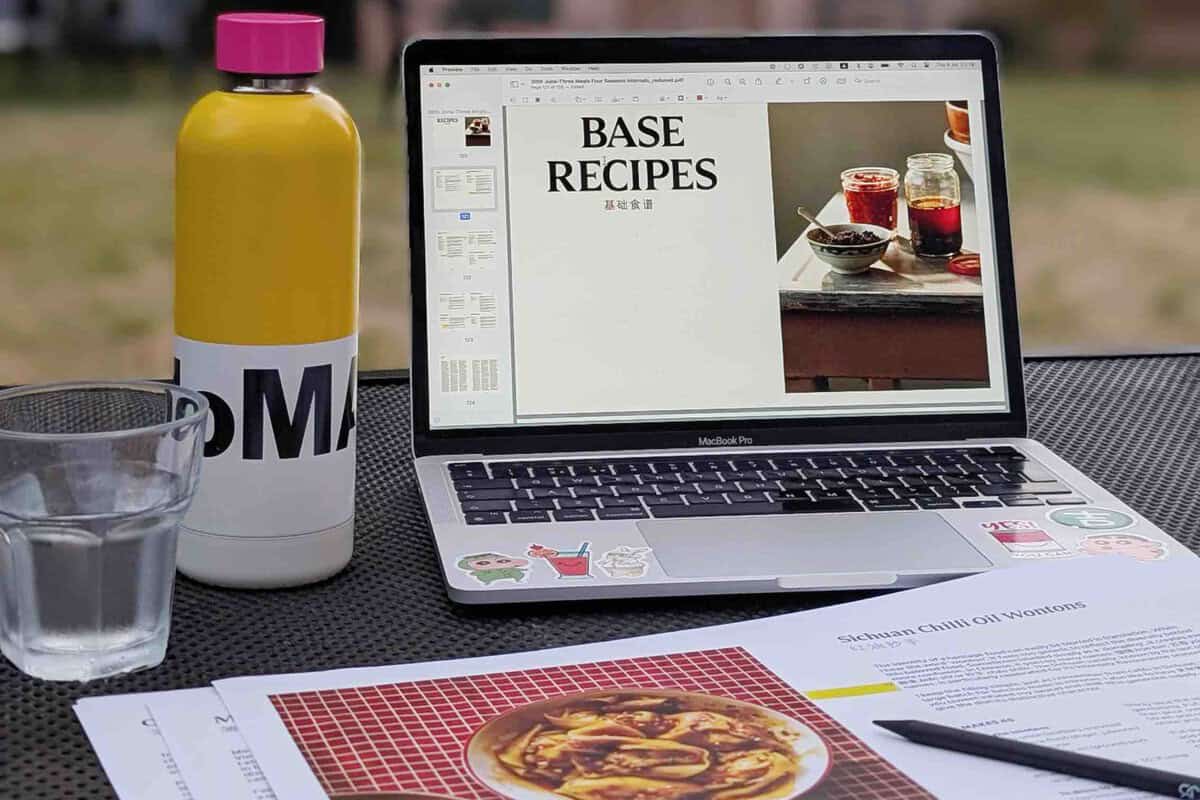
One of the earliest conversations my editor, designer and I had wasn’t about recipes at all. It was about how we wanted the book to feel. We all agreed on one word: timeless. Rather than following trends or relying on familiar Chinese motifs to announce, ‘This is a Chinese cookbook’, we wanted something more subtle and enduring. A design that reflects Chinese home cooking as I know it: warm, understated and contemporary.
When I first saw the page layouts, I knew the designer had understood that vision perfectly. The typography is clean and uncluttered, with plenty of white space that lets the recipes breathe. Nothing feels flashy or over-designed. In fact, you might flip through the book and think there isn’t much design at all. To me, that’s the sign of excellent design. Every decision is intentional, yet nothing distracts from the cooking.
One of my favourite details is the simple colour bar running along the edge of the pages, quietly guiding readers to breakfast, lunch, dinner and festive recipes. Together with the seasonal artwork and the subtle changes in the photography from chapter to chapter, it creates a gentle sense of the changing seasons. The finished design is exactly what I had hoped for: simple, elegant and something that will stand the test of time.
The Cover Journey
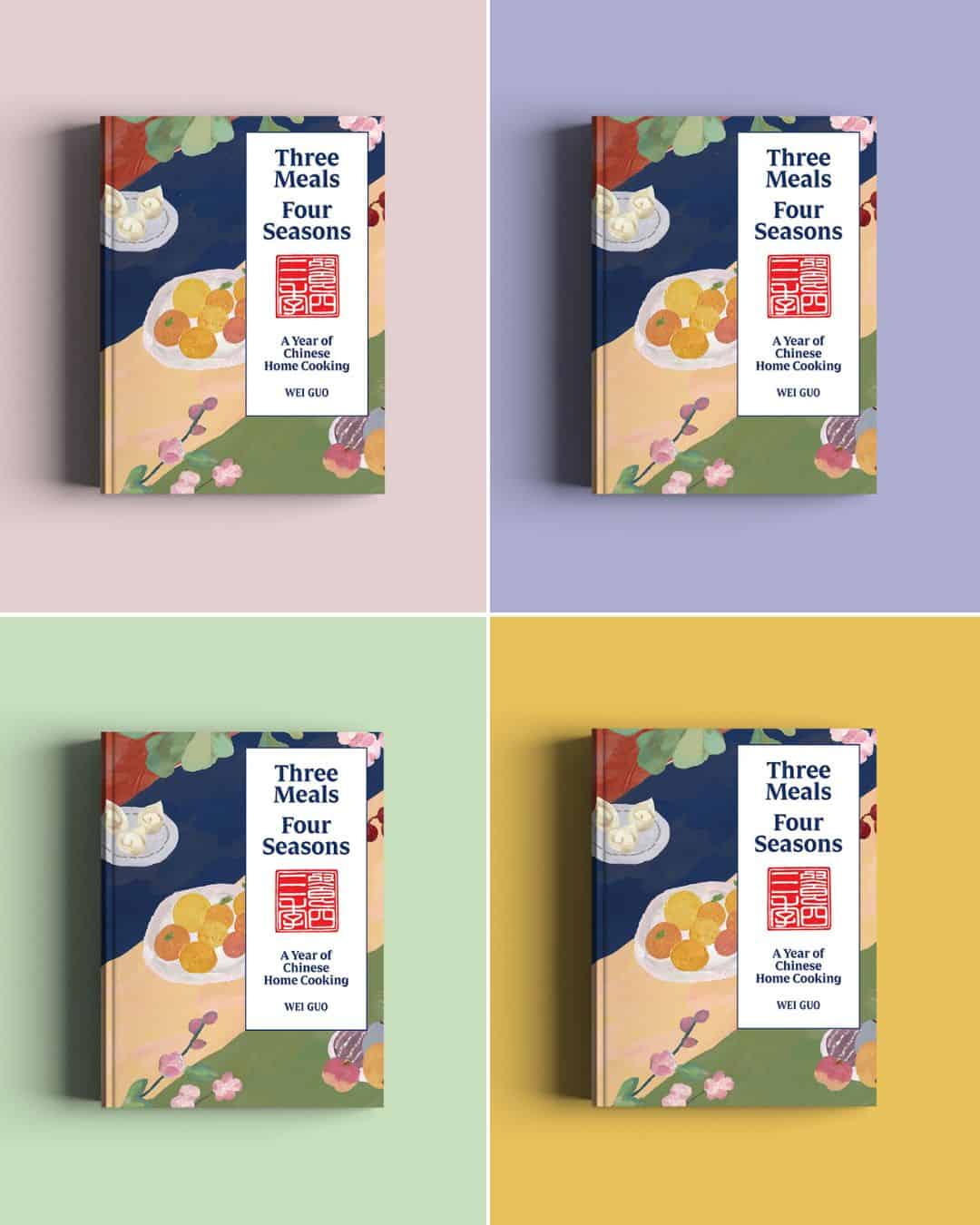
A cookbook cover has a unique responsibility that no other page in the book does. Before readers discover a single recipe, it has to catch their eye, spark their curiosity and reflect the spirit of the book. It needs to stand out among countless other cookbooks while remaining true to what’s inside. That balance proved far more challenging than I had ever imagined.
The journey was long, with many ideas explored, refined and, sometimes, abandoned altogether. It could be frustrating at times, but everyone involved shared the same goal: not simply to create a beautiful cover, but to create the right cover for this book. Every discussion came back to the same question: Does this truly reflect the book?
Eventually, something clicked. One virtual meeting felt different. There was a genuine sense of excitement as everyone agreed, ‘Yes, this is the one.’ I have to admit I had a big smile on my face for the rest of the day.
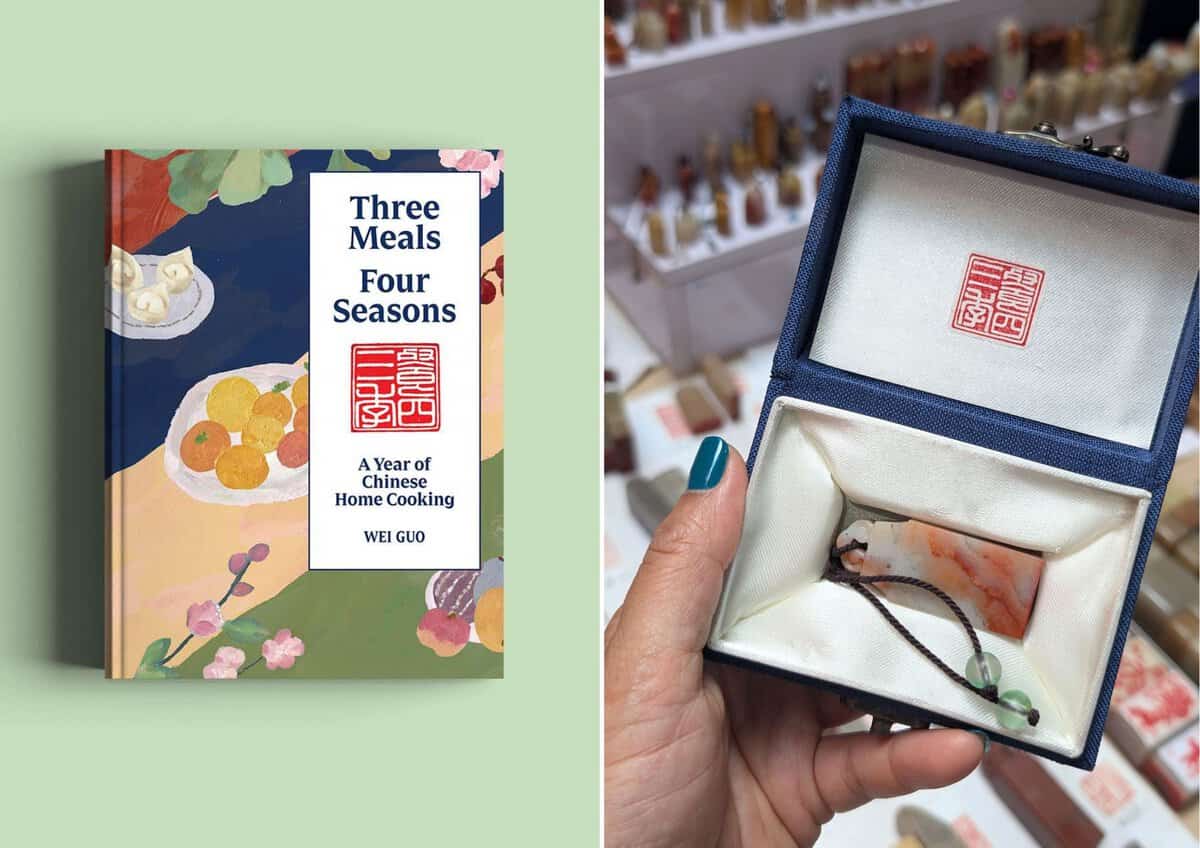
What I love most about this cover are the details created especially for the book: the beautiful original painting by Charlotte Mei and the Chinese seal ‘三餐四季 (Three Meals Four Seasons)’, hand-carved by engraver Huang Yafang at an art market in Beijing. They make the cover feel truly one of a kind.
I hope you love it as much as we do.
One Last Read

No matter how many rounds of editing and reviewing a book goes through, there comes a moment when you have to stop making changes. I found that much harder than I expected. Every time I read the pages, I spotted another sentence to tighten or another tiny detail I wished I could improve.
But perfection is impossible. Eventually, I had to trust the work done by a team who cared deeply about making this book the best it could be. Looking back, I’m in awe of everyone who walked this journey alongside me: my agent, editors, designer, copy editor, proofreader, photographer, illustrator, food stylist, prop stylist, recipe testers and many others. Their expertise, care and dedication have shaped every page.
Sending my final ‘all good to go’ email to the editor was surprisingly emotional (and, if I’m being honest, a little scary). Once the book goes to print, it begins a new journey, one that no longer belongs only to me. I hope that, before long, it will find its way into your kitchen.
Cookbook FAQ ⭐️
My cookbook is scheduled to be published in December 2026. Pre-orders are available now.
Yes! It will be available in the US, UK, Canada, Australia, New Zealand, and other major English-speaking markets. Readers elsewhere should also be able to order it through Amazon and other international online bookshops.
The book will include both metric and US customary measurements, so readers around the world can cook from it comfortably.
Yes, an ebook version is also planned.
Yes. Some well-loved recipes from the blog will appear in the book, alongside many new dishes created especially for it. Together, they form a carefully curated collection designed to work as a complete cookbook.
Absolutely! The recipes are written with home cooks in mind, using clear instructions and practical methods, while staying true to the identity of each dish.
The book is written for readers cooking outside China, so accessibility has been considered throughout. I always try to strike a balance between authenticity and practicality.








Thank you so much for the recipes I screenshot, downloaded, and prepared. The book is so much better, all in one, and physically in my hands.
Love the recipes. Looking forward to my book and bonus.
Wish you could sign it. Over all this time! I’ll keep the online recipes until my book arrives.
Appreciate the email notice and have placed my order via Amazon
God bless you.
Thank you so much Angela for your appreciation and support! Not sure if you have claimed the bonus after pre-ordering. If not, click here to get access.
Are the email recipes you are sending now available in your much anticipated and appreciated cookbook?
I need to know whether to delete them, if they are in the cookbook. Using the ones I like…
Appreciate your hard work! Love your recipes,
Angela
Thank you Angela! Some of the recipes I share in my emails are in the cookbook, but many aren’t. All the recipes mentioned in my newsletters will remain on my blog, so you can always search for them here whenever you need them.
Thanks for your efforts to make this beautiful and helpful book come true.
Please advise how much the book is?
Thank you for your support! This pre-order link will take you to the book retailers in your country, where you can see the price in your local currency.