
Learn what Chinese sesame oil is, how to identify the right type, how it’s used, and other practical tips to help you cook with it confidently.
Pin this now to find it later!
Pin ItWhat Is Sesame Oil?
In Chinese cooking, sesame oil usually refers to toasted sesame oil, a highly aromatic oil made from roasted sesame seeds. Known as 香油 (xiāng yóu), 芝麻油 (zhī má yóu), or simply 麻油 (má yóu), it’s used primarily as a seasoning rather than a general cooking oil.
In my kitchen, a bottle of sesame oil always sits beside the soy sauce and Chinkiang vinegar. I don’t use it as often as those pantry staples, but I still consider it indispensable. Whenever a dish needs a little extra fragrance, a few drops of sesame oil often do the trick.
Compared to neutral oils, sesame oil has a deep amber colour, a rich nutty aroma, and a slightly thicker consistency. Just a small amount can make noodles, salads, soups, or stir-fries much more inviting.
Wei’s Pro Tip
Key Things to Know
- Choose pure toasted sesame oil, not the untoasted type or oil blends.
- Use it as a seasoning and add sparingly.
- There is no true substitute.
- Buy a smaller bottle if you don’t use it often.
Toasted vs Untoasted
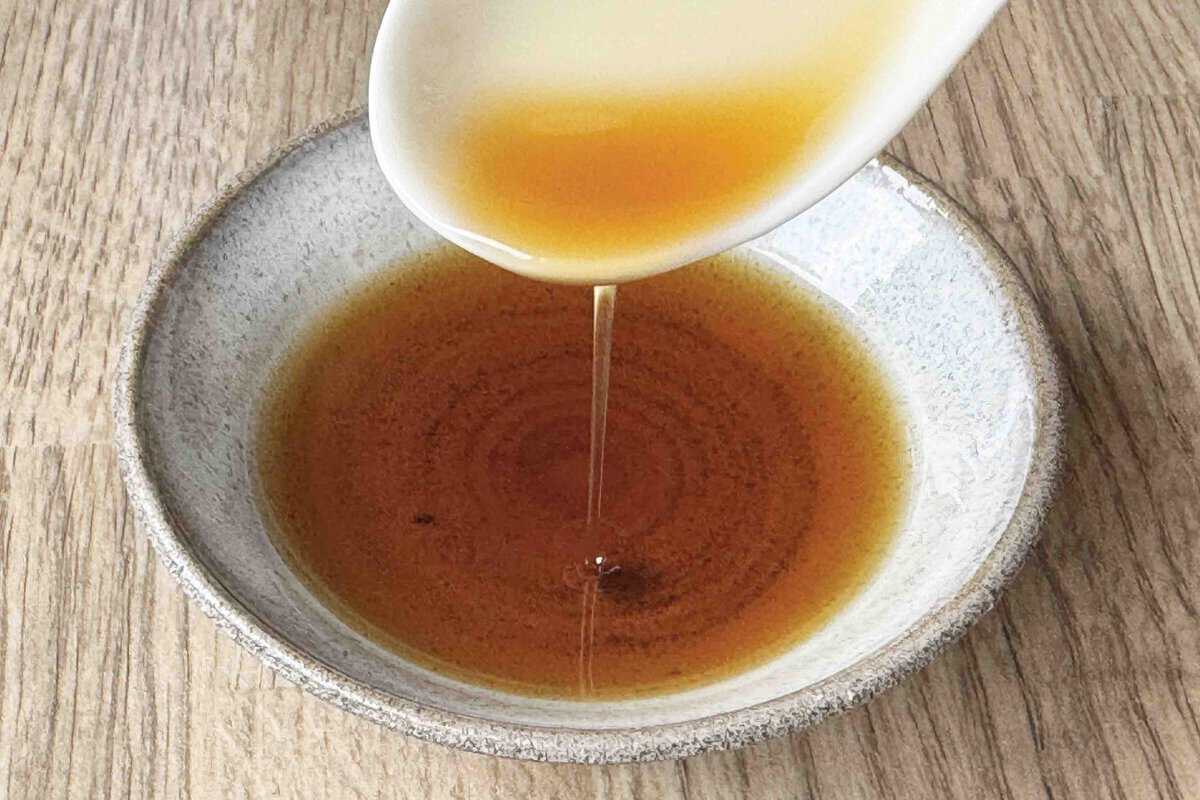
In the culinary world, there are two types of sesame oil. It’s important to identify and use the right one for Chinese dishes.
- Toasted sesame oil (see image above) is the type commonly used in Chinese cooking. Made by pressing roasted sesame seeds, it has a dark colour, rich aroma, and nutty flavour.
- Untoasted sesame oil is made from raw sesame seeds. It is much paler in colour and milder in flavour.
The two oils are not interchangeable. If a Chinese recipe calls for sesame oil, it almost always means the toasted type.
How I Choose
When it comes to sesame oil, I’m not particularly loyal to any brand or country of origin. Whether it’s Chinese, Japanese, or Korean doesn’t matter much to me.
What I do pay attention to is the ingredient list. I look for pure toasted sesame oil made from 100% sesame seeds, without other oils mixed in.
Currently, I have a bottle of Japanese sesame oil in the cupboard, and I’m very happy with its quality.
Common Usage
In Chinese cooking, sesame oil is most often added towards the end of cooking or mixed into uncooked sauces and dressings.
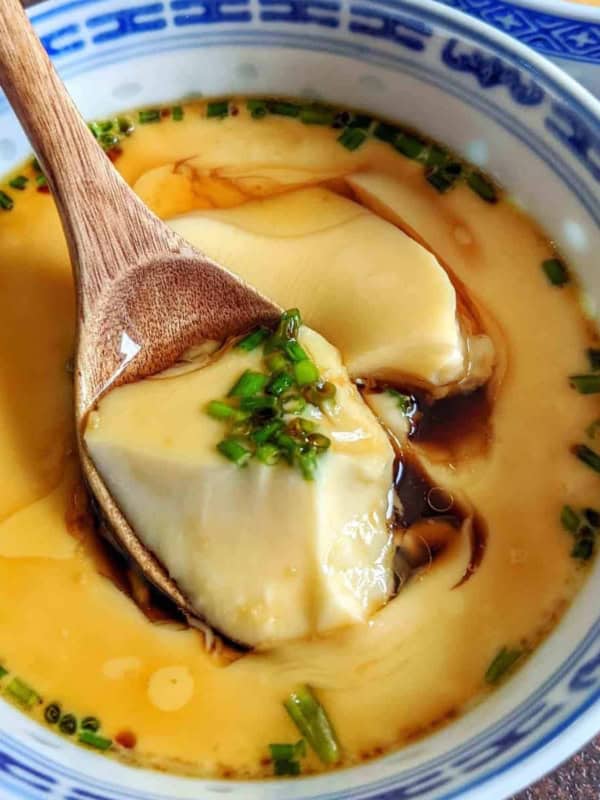


You can find it in stir-fries, dumpling and wonton fillings, salads, noodle dressings, dipping sauces, soups, and marinades (see example dishes above). It’s rarely used in large quantities.
Sesame oil isn’t limited to Chinese cooking either. It can bring extra flavour to all kinds of savoury dishes, so I’d encourage you to experiment with it in recipes from other cuisines as well.
Can You Cook With Sesame Oil?
Toasted sesame oil is not usually used as a cooking oil, as it has a relatively low smoke point and a powerful flavour that can easily overwhelm a dish.
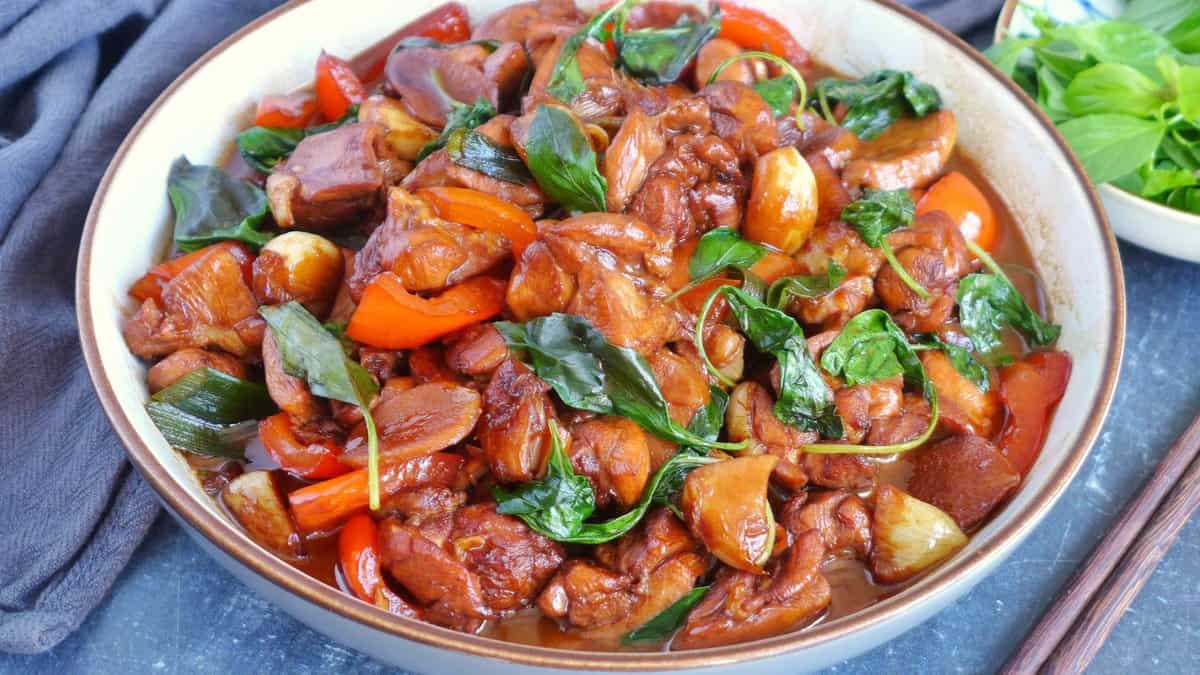
There are exceptions. Taiwanese Three-Cup Chicken (see image above), for example, uses a generous amount of sesame oil during cooking. Even then, the oil is typically heated gently rather than subjected to very high temperatures.
Storage
Store sesame oil in a cool, dark place with the lid tightly closed. Over time, its aroma gradually fades and the oil can become rancid. If you don’t use it often, consider buying a smaller bottle to keep it fresh for longer.
Substitutes
There is no true substitute for toasted sesame oil.
- If a recipe uses only a small amount, you can simply leave it out. The dish will lose some aroma but should still taste good.
- Toasted sesame seeds can add a little sesame flavour, but they won’t provide the same fragrance as sesame oil.
- If you’re looking to add extra aroma to a dish, Sichuan pepper oil is another excellent finishing oil. However, its flavour profile is completely different. For that reason, I wouldn’t treat it as a direct substitute.