
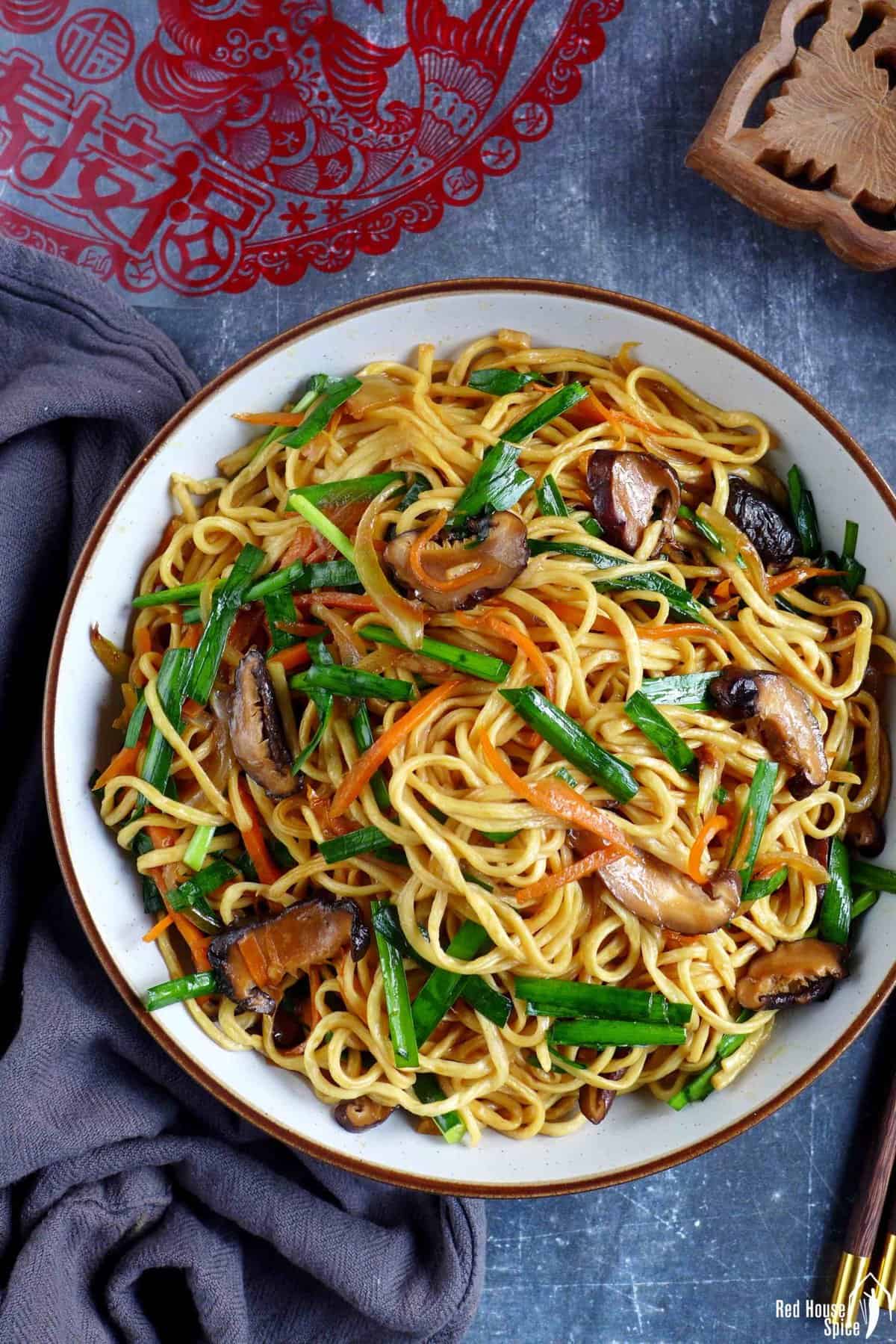
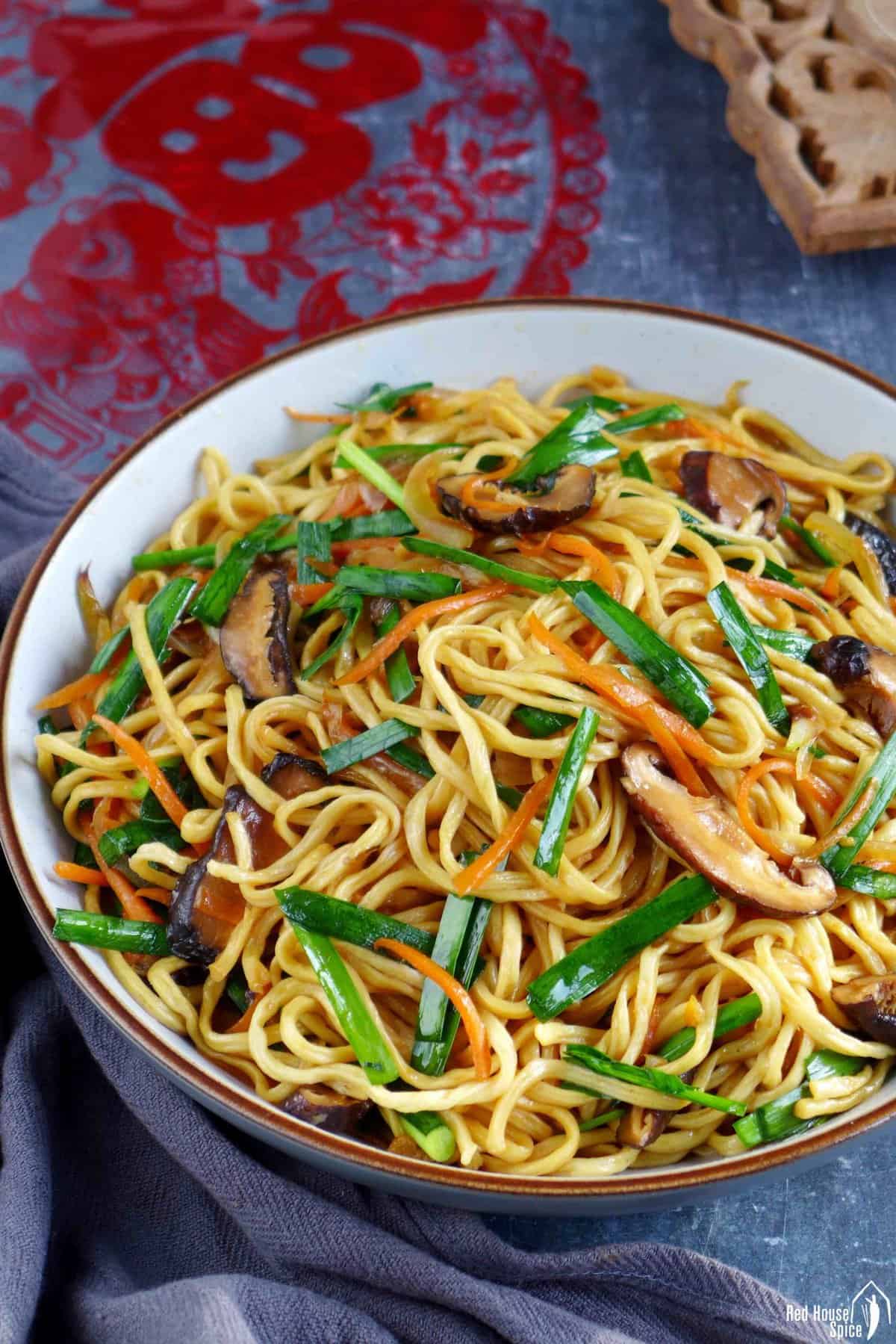
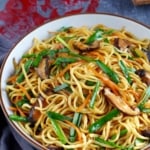
Learn to make Chinese longevity noodles, a classic dish for celebratory occasions. This recipe delivers authentic taste with simple steps.
Pin this now to find it later!
Pin ItTable of Contents
What are longevity noodles
Symbolic dishes are common in Chinese cuisine. For instance, a whole fish symbolizes abundance; Nian Gao represents prosperity; Tang Yuan signifies reunion. Longevity noodles are another classic example, often appearing at celebratory meals.
Longevity noodles, also known as long-life noodles or Yi Mein, refers to 长寿面 or 伊面 in Chinese. Essential for birthdays to wish for longevity, they are also a staple for Chinese New Year feasts in some communities, symbolizing good luck and prosperity. Additionally, they’re sometimes served in feasts for other special occasions, such as weddings, and newborn celebrations.
Today’s recipe echoes the Cantonese style of longevity noodles, featuring chewy, spongy egg noodles braised in a flavorful sauce. In contrast, the northern version highlights extra-long, hand-pulled noodles to emphasize the idea that “long noodles represent a long life”. It can be as extreme as serving one single noodle per bowlful!
Top Tips
- Source the right type of noodles for the authentic taste
- Do not overcook the noodles to avoid a mushy texture
- Use substitutes to make it vegan, or level it up with extra proteins
- Cook in batches if you plan to double the recipe
Which type of noodles
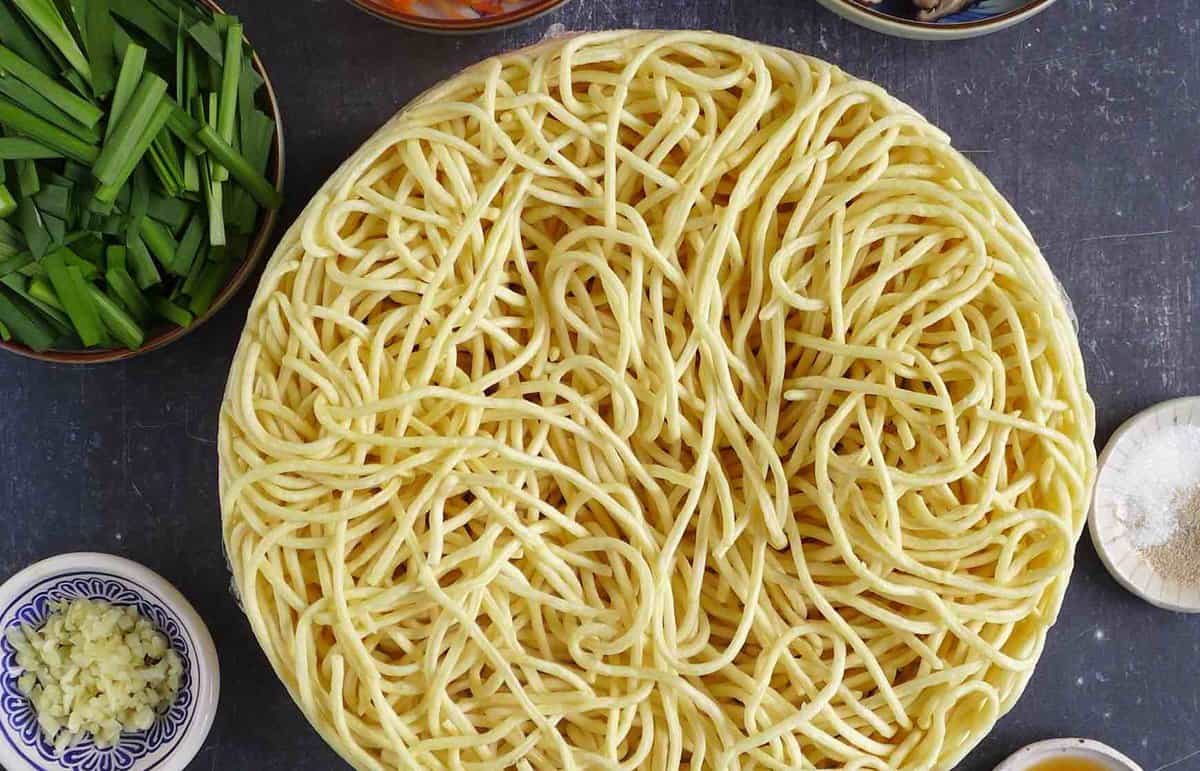
Yi Mein (伊面), aka E-fu Noodles, is the traditional choice for this version of longevity noodles. They are made with wheat flour and egg and come in dried form.
Unlike regular egg noodles found in Soy Sauce Pan Fried Noodles and Beef Chow Mein, Yi Mein is first dried and then deep-fried. This particular process gives them a unique texture that is smooth, slippery, chewy, and spongy, making them ideal for absorbing sauces. Also, they’re quite elastic, so they can handle a strong chopstick pull without the strands breaking easily.
Substitutes:
Other ingredients
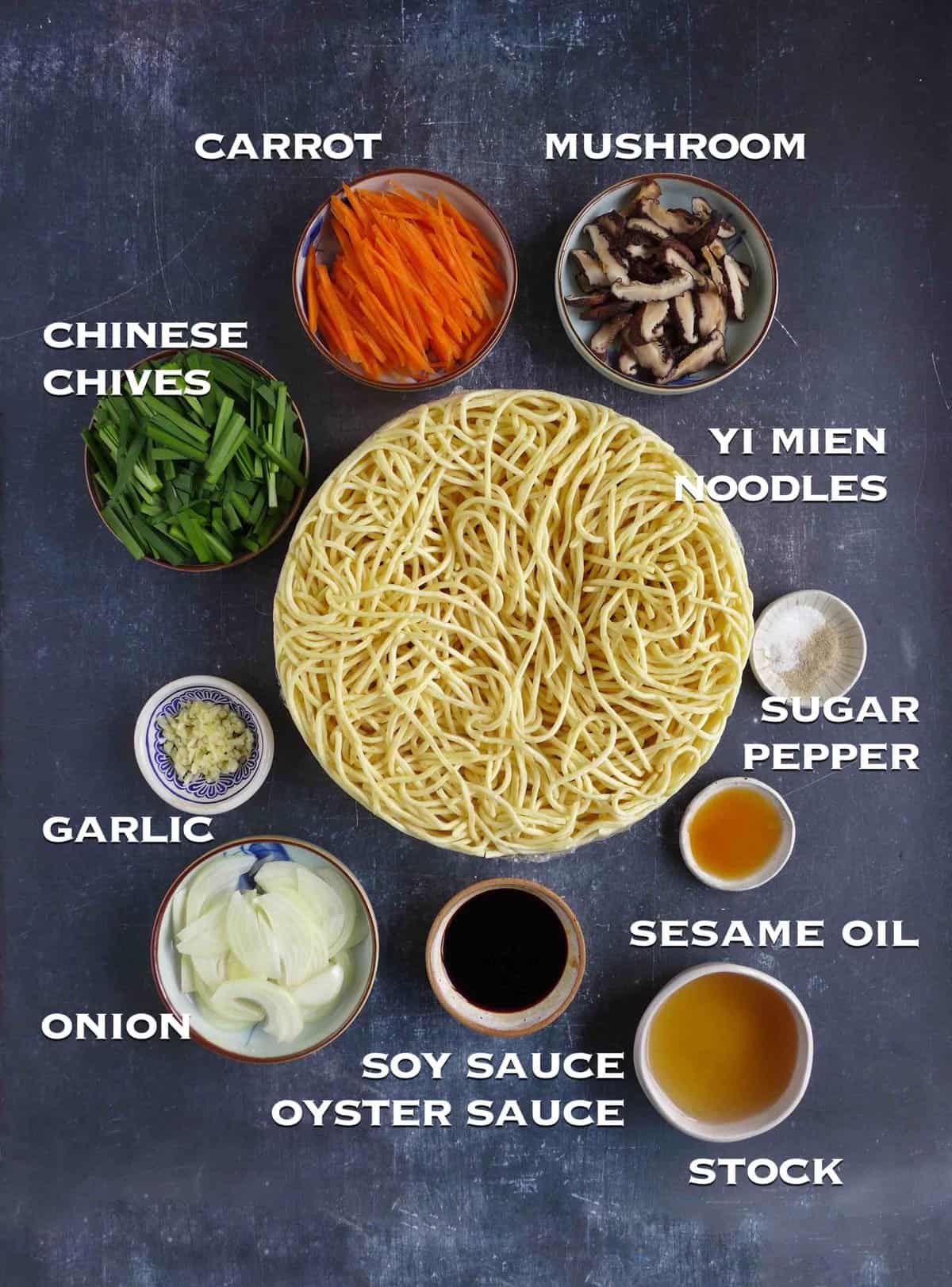
Vegetables
Here are the vegetable and aromatics that I use to make a simple, classic version of longevity noodles.
- Shiitake mushrooms, or other types
- Carrot
- Chinese chives
- Onion
- Garlic
Substitutes: Please feel free to use other vegetables, such as bok choy, Napa cabbage, bell pepper, celery, etc.
Seasonings
Here is a list of common Chinese condiments for flavoring the dish:
- Light soy sauce
- Dark soy sauce
- Oyster sauce, or vegetarian oyster sauce
- Ground white pepper
- Sugar & salt
- Chicken stock
🌟 Vegan substitutes: To make this dish vegan/vegetarian-friendly, replace oyster sauce with vegetarian oyster sauce (also known as vegetarian/mushroom stir-fry sauce), and substitute chicken stock with vegetable stock, or the soaking water in which dried shiitake mushrooms are rehydrated.
Optional proteins
You can also add proteins to the dish. Lobster is a luxury choice that is quite popular in restaurant versions of longevity noodles. Other common proteins, such as chicken, beef, shrimp, egg, and tofu, are good choices too.
Cooking steps
Step 1: Parboil the noodles
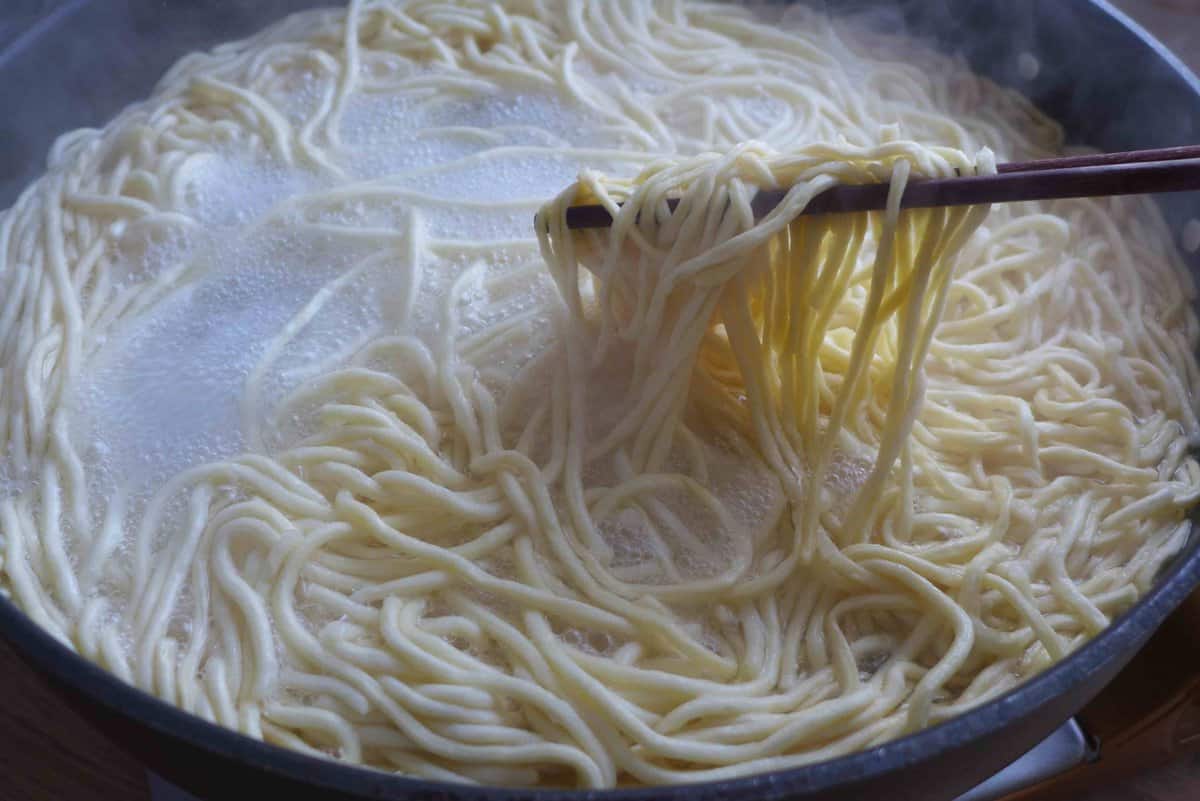
Bring plenty of water to a full boil. Add Yi Mein noodles. Gently press them down under the water so they will soon become less rigid. Separate the strands with chopsticks and leave to cook until they are just a little undercooked (think of the al dente texture that cooking pasta requires).
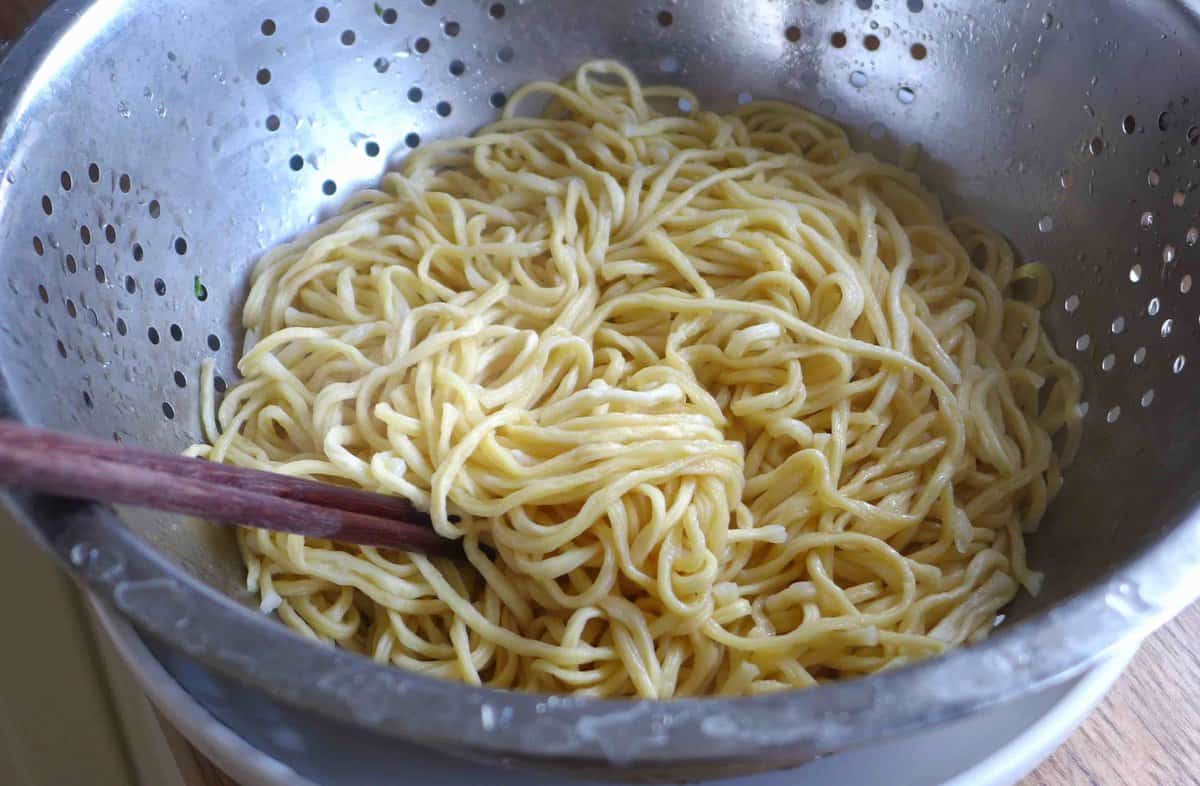
Drain well and set aside. If you don’t plan to carry on the next step straightaway, I suggest you rinse the noodles under running water to prevent sticking.
🌟 TIP: Follow the instructions on the package of the noodles of your choice, but reduce the required time by 1 minute. Taste to confirm and mind not to overcook them. Otherwise, they’ll develop a mushy texture during the next braising process.
Step 2: Fry the vegetables
You may use either a wok or a skillet/frying pan for this step. It needs to be large enough that you can toss the noodles and other ingredients comfortably.
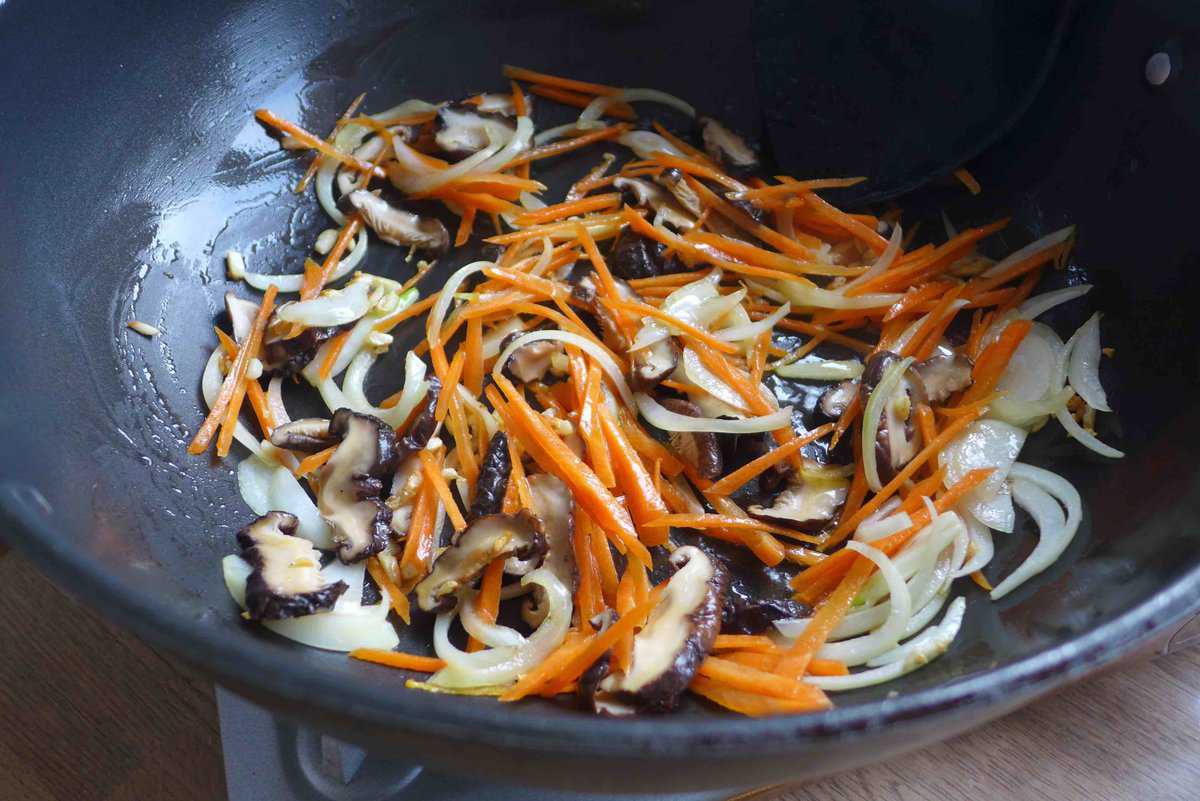
Firstly, sizzle minced garlic and sliced onion in a little oil to release their aroma. Then stir in sliced mushrooms and julienned carrots.
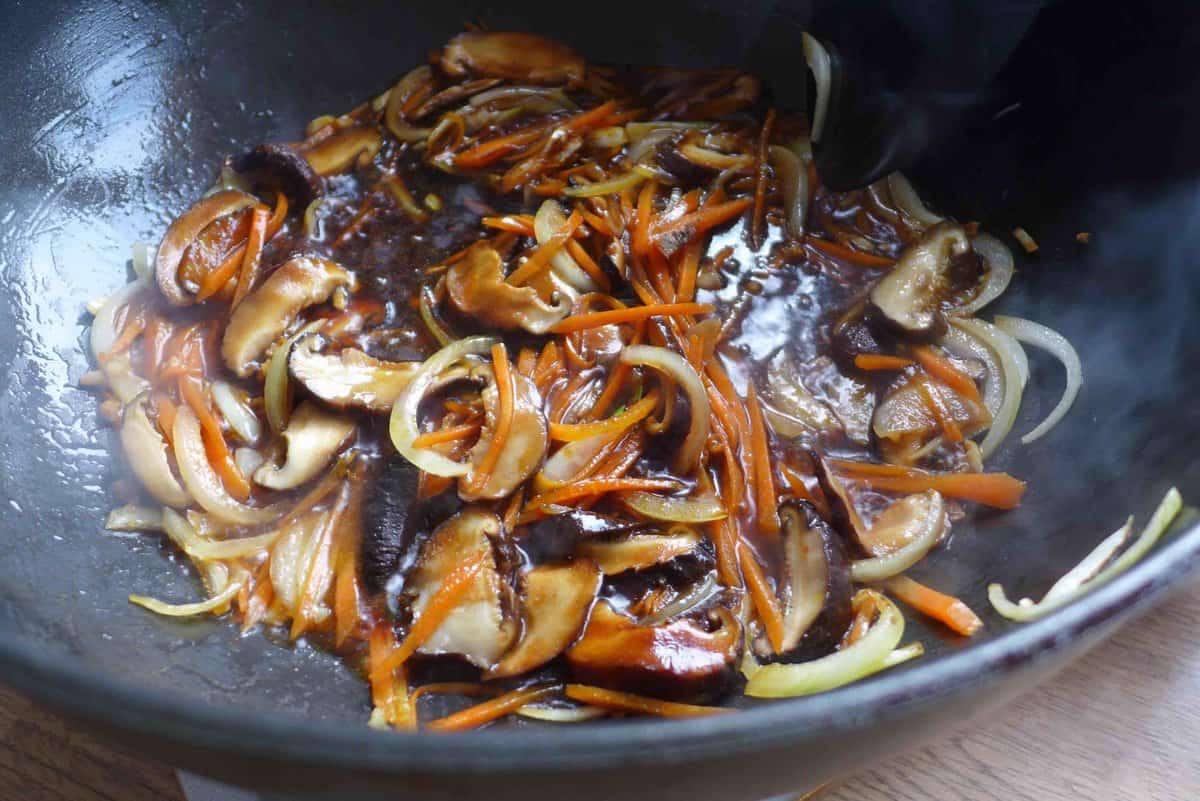
Fry them for a minute before adding all the seasonings (apart from sesame oil) and chicken/vegetable stock.
🌟 TIP: If using non-stick cookware, add the oil then heat it. If using a carbon steel wok or other cookware without non-stick coating, heat it empty first then add the oil. This method prevents sticking.
Step 3: Braise the noodles

Bring the liquid to a boil, then add the drained noodles. Toss well so all the strands are in contact with the sauce. Leave to braise over low heat uncovered.
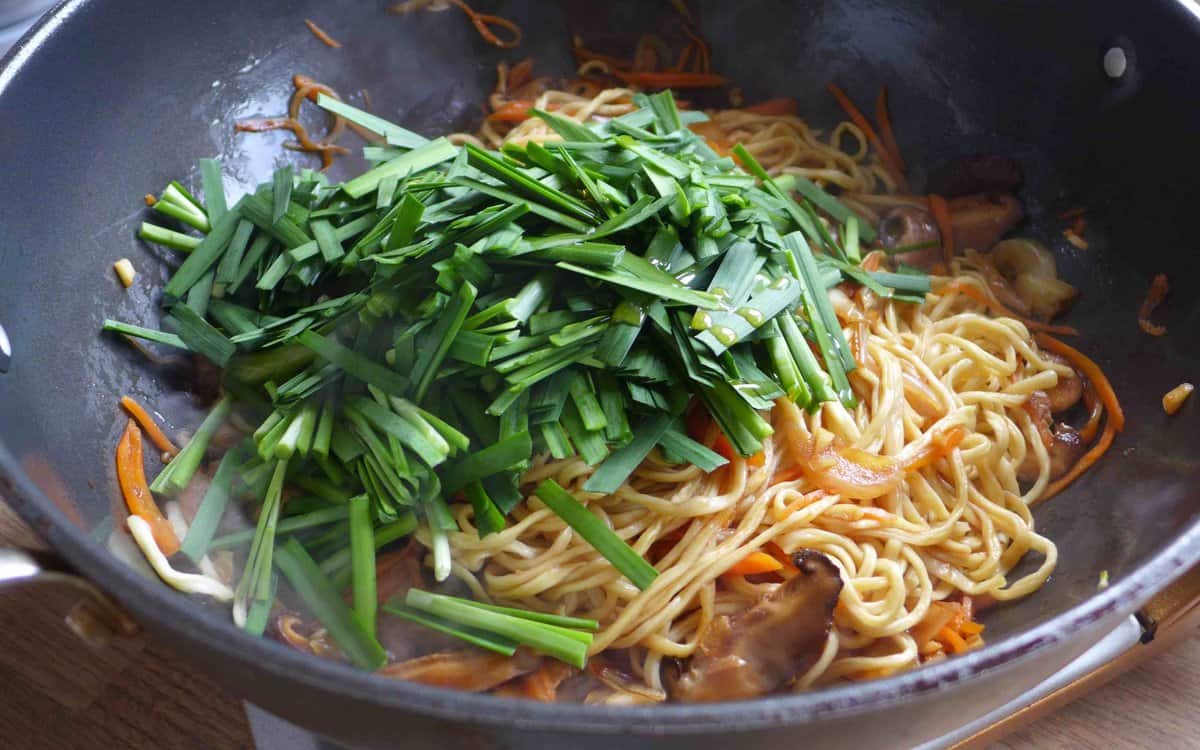
Once most of the sauce has been absorbed, add Chinese chives and sesame oil. Toss to evenly heat the chives.
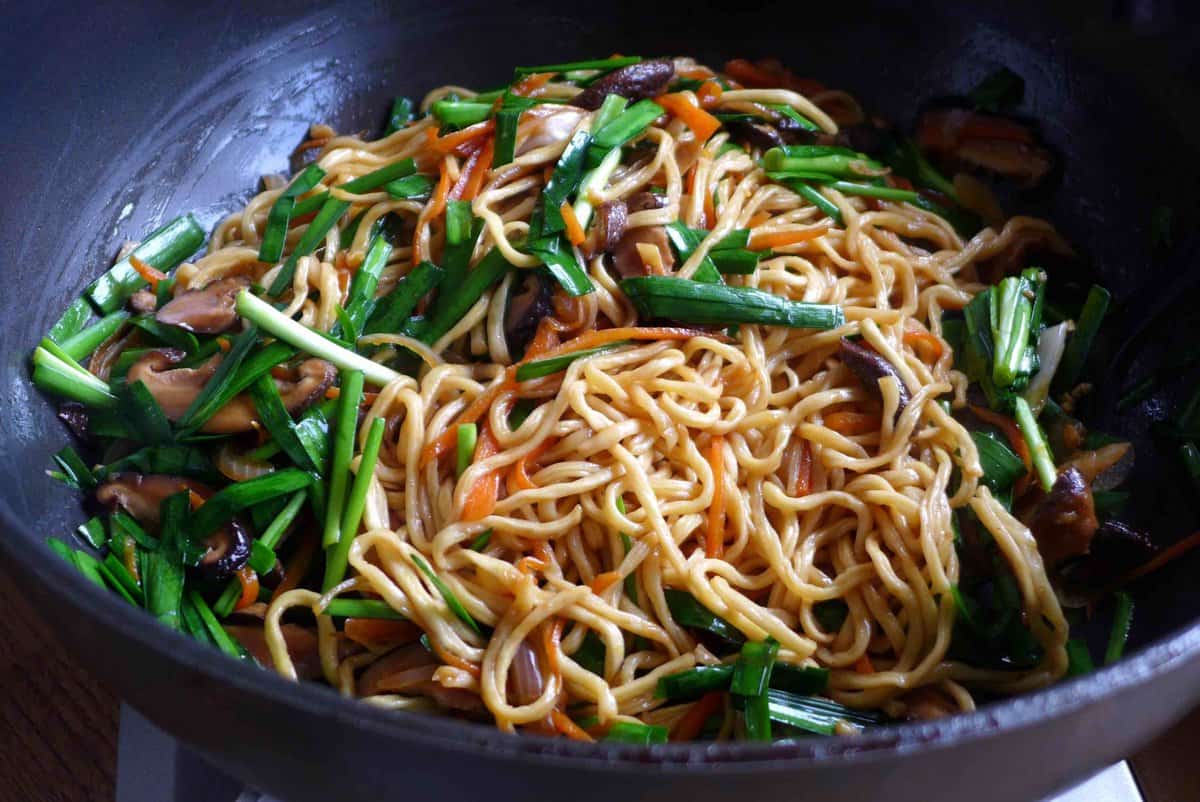
As soon as they start to wilt. Turn off the heat and transfer the dish to a serving plate.
How to serve
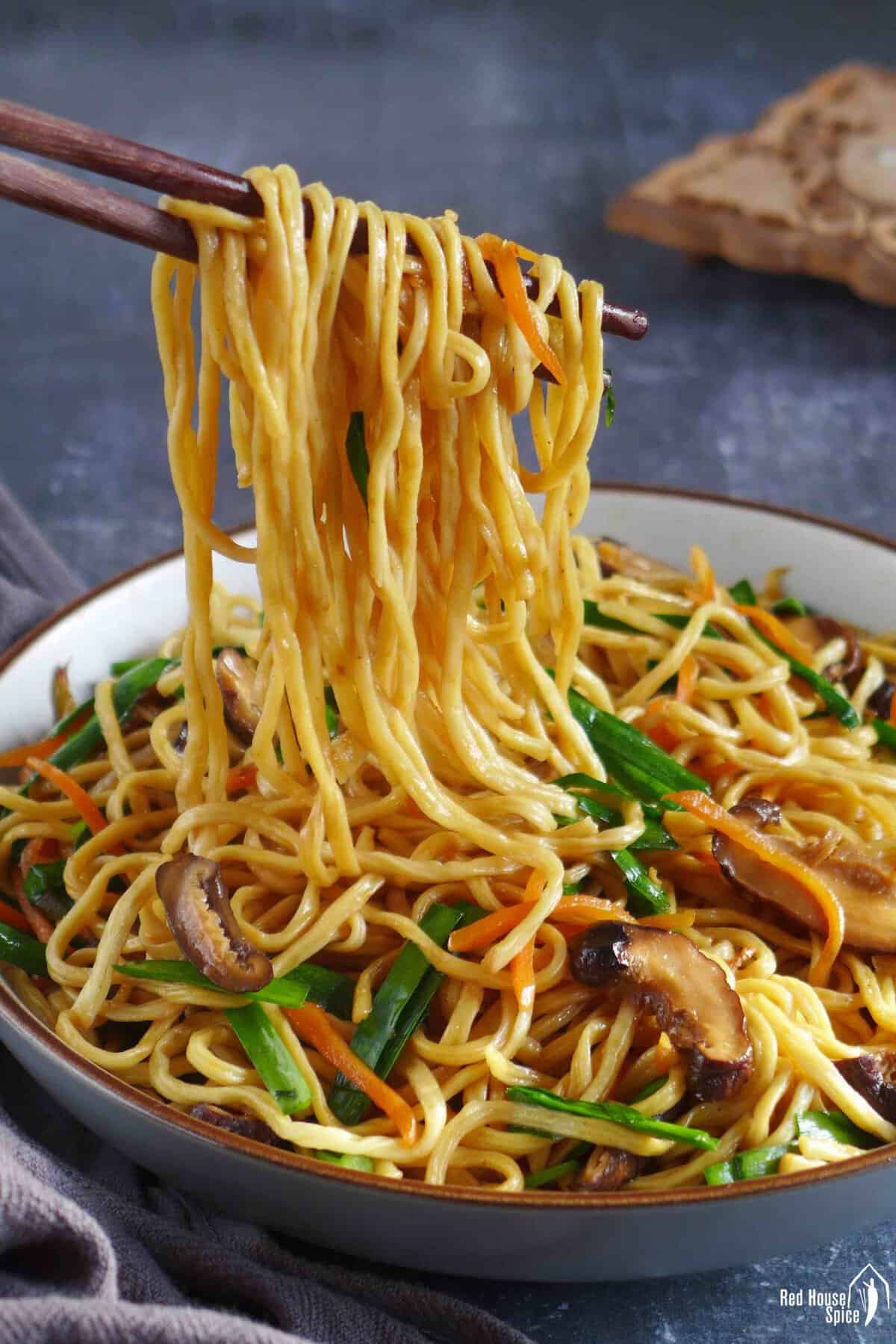
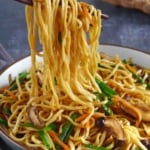
Serve your longevity noodles right away, as they taste wonderful while warm. Perhaps make a wish while pulling the noodles up high with your chopsticks. Don’t fret about breaking the noodle strands. After all, enjoying the great taste is the key, right?
If you fancy a spicy taste as I do, add a dash of Chinese Chili Oil to the dish, or other hot sauces of your choice.
Make ahead
Since longevity noodles are often made for special occasions, you’re likely preparing other dishes at the same time. Here are two ways to prepare the dish in advance:
- Parboil the noodles, then rinse them with cold water. Complete the braising step close to the serving time.
- Finish the dish as instructed. Before serving, add 2 tablespoons of water and reheat it over medium heat, making sure to toss constantly for even heating.
Other classic noodles
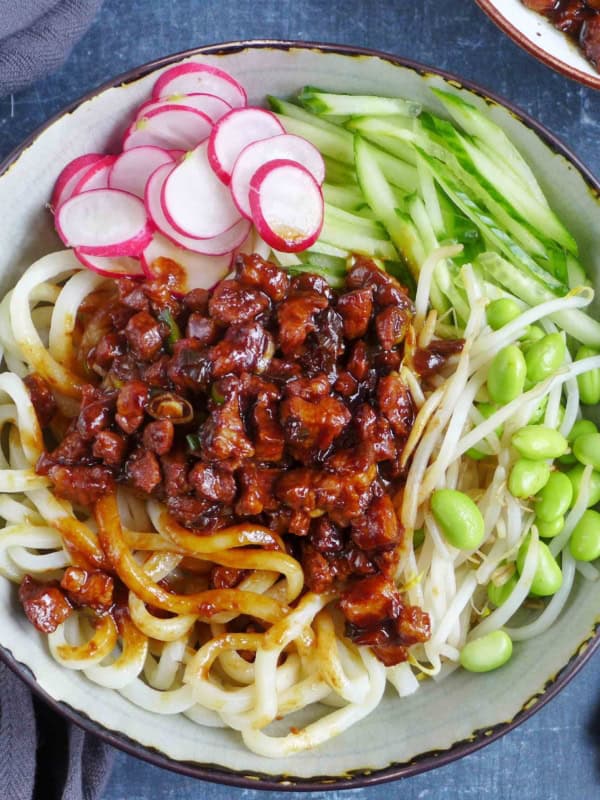
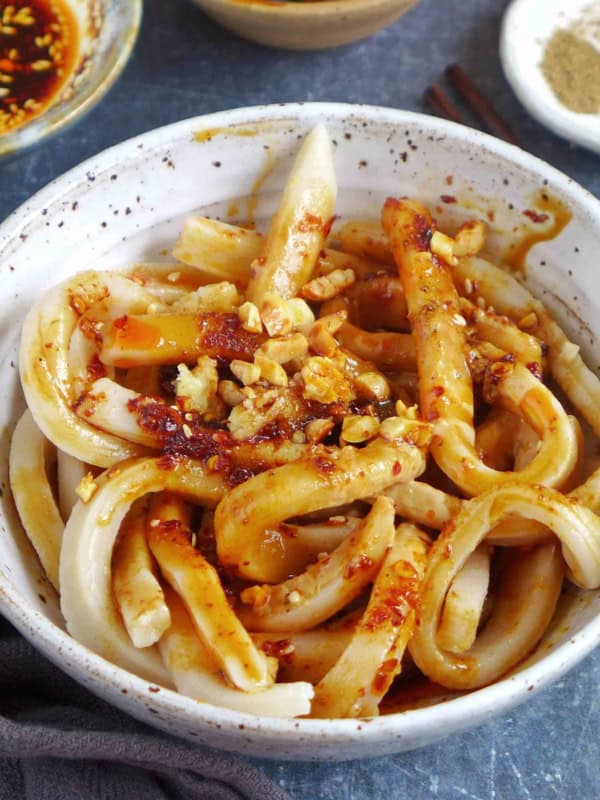
Looking for more classic Chinese noodle dishes? Check out these popular ones:


📋 Recipe card
Love this recipe? Please leave a 🌟🌟🌟🌟🌟 rating and a comment. Thank you!
Longevity Noodles (Yi Mein)

Video
Ingredients
- ½ lb dried Yi Mein noodles, see note 1 for other options
- 2 tablespoon neutral cooking oil
- 3 cloves garlic, minced
- ½ large onion, sliced
- ½ large carrot, julienned
- 4 pieces shiitake mushrooms, sliced (rehydrated if using dried ones)
- 1 cup low-sodium chicken/vegetable stock , see note 2
- 2 tablespoon oyster sauce, or vegetarian oyster sauce
- 1 tablespoon light soy sauce
- ½ tablespoon dark soy sauce
- ¼ teaspoon sugar
- ¼ teaspoon ground white pepper
- Salt, to taste
- 4 oz Chinese chives, cut into sections
- 1 teaspoon sesame oil
Instructions
Parboil the noodles
- Bring plenty of water to a full boil. Put in the noodles. Leave to cook while gently loosening up the strands. Once they reach the al dente texture (a little undercooked), drain well, then set aside (see note 3 if you plan to finish the dish later).
Fry the vegetables
- Heat an empty wok until smoking hot. Add oil then swirl it around to cover a large surface (if using non-stick cookware, add oil then start heating).
- Add garlic and onion. Fry until fragrant. Stir in carrot and mushrooms. Cook for 1 minute or so.
- Pour in chicken/vegetable stock, then season with oyster sauce, light soy sauce, dark soy sauce, sugar, and white pepper. Bring to a boil. Taste and add a little salt if necessary.
Braised the noodles
- Place the noodles into the wok. Gentle toss so all strands touch the braising liquid. Leave to simmer over low heat until the noodles have absorbed most of the liquid.
- Add Chinese chives and sesame oil. Toss to cook until the chives start to wilt. Dish out and serve immediately.
Notes
Your Recipe Notes
Nutrition
Nutrition information is automatically calculated, so should only be used as an approximation.










This looks to be a glorious recipe! Despite living in HK, I never learned this one! How do I cook this using beef? And which cut would be best? Thank you in advance! Keep up your wonderful work!
To add beef, I recommend checking out my Beef and Broccoli Stir-Fry recipe, which includes tips on choosing the right cuts and a tenderizing method. Cook the beef separately and then add it along with the noodles at the end of the cooking process. Hope this helps!
Made this tonight and it was delicious.
So happy to hear that Samantha! Wish you a very happy Lunar New Year!