

Learn to make your favorite Chinese takeout at home! This Lo Mein recipe features easy techniques and plenty of customization tips.

Pin this now to find it later!
Pin ItTable of Contents
What is Lo Mein?
Several of my blog readers have requested a recipe for Lo Mein, one of the most popular Chinese takeout dishes. Today, I’m excited to share how I make this classic using simple, common ingredients readily available in my kitchen.
The name Lo Mein/捞面 comes from Cantonese and literally means “fished-out noodles”, likely referring to the process of scooping cooked noodles out of the water before tossing them with stir-fried proteins, vegetables, and seasonings.
Like Chow Mein or Egg Fried Rice, Lo Mein is highly customizable, making it a perfect fridge-raid dish. Once you understand the key components and the cooking sequence, you’re free to experiment and create your own version—one that’s as delicious as, if not better than, takeout!

Top Tips
Before diving into the detailed recipe, here are a few helpful tips to keep in mind:
- Prep first: Have everything ready to keep cooking fast.
- Use high heat: It helps lock in moisture for the meat and vegetables.
- Cook in batches: Avoid overcrowding if doubling the recipe.
- Customize freely: Use any proteins or vegetables you like.
Ingredients & substitutes
Noodles
Chinese egg noodles (蛋面) are the ideal choice for Lo Mein. You may sometimes find packages specifically labeled as Lo Mein noodles (or Chow Mein noodles). These are round, yellow-tinted noodles that resemble spaghetti pasta in size and color once cooked.

Pre-cooked, ready-to-use egg noodles (see image above) are the most convenient option, though uncooked ones—either fresh or dried—also work well.
Chicken

I use chicken breasts as the protein source in this Lo Mein recipe. By marinating it with a little cornstarch and salt (as I do for Chop Suey), you’ll achieve the perfect tenderness. Skinless, boneless chicken thighs work well too.
🌟 Substitutes: Not a fan of chicken? Feel free to substitute with other proteins, or skip it altogether. Options include beef, pork, char siu, shrimp, eggs, or tofu. In the “Variations” section below, you’ll find tips on adjusting the recipe for these alternatives.
Vegetables

For photographing this recipe, I used onion, button mushroom, red bell pepper, and snap peas to add a variety of colors, flavors, and textures. Garlic and scallions were also included for extra aroma.
🌟 Substitutes: Bok choy, carrot, snow peas, zucchini, bean sprouts, cabbage, celery, baby corn, and broccoli (blanched) are great alternatives.
Seasonings

You’ll need a few common Chinese condiments to make the Lo Mein sauce: oyster sauce, light soy sauce, dark soy sauce, cornstarch, white pepper, sesame oil, and sugar.
🌟 Substitutes: Oyster sauce can be replaced by hoisin sauce (omit the sugar if using hoisin). Dark soy sauce mainly enhances color, so it’s fine to skip it and use additional light or regular soy sauce instead.
Cooking procedure
Step 1: Marinate the Chicken

Begin by cutting the chicken into thin slices, about ⅛ inch (3 mm) thick. In a bowl, toss the chicken with cornstarch, salt, and water until it forms a slightly slimy coating. Mix in a little oil to ‘lock in’ the moisture. Leave it to marinate while you cut the vegetables and prepare the other ingredients.
🌟 NOTE: This step helps to velvet the chicken, preventing it from drying out during stir-frying. This is particularly important when using chicken breasts.
Step 2: Mix the Sauce

In a small bowl, mix oyster sauce, light soy sauce, dark soy sauce, cornstarch, sugar, and ground white pepper with water until there are no more lumps. Then, add a little sesame oil.
Step 3: Prepare the Noodles

If using precooked, ready-to-use egg noodles, briefly submerge them into a pot of just-boiled water. This warms them up and helps to separate any clumped strands.
If using uncooked noodles (fresh or dried), bring a large pot of water to a boil, then add the noodles and cook according to the package directions. Drain then briefly rinse them under cold water to prevent further cooking.
🌟 NOTE: It’s best not to leave the cooked noodles sitting for too long before combining them with the chicken and vegetables. So, I usually cook the noodles and sear the chicken (the next step) at the same time using two burners, like how I make Beef Chow Mein quickly.
Step 4: Sear the Chicken

Heat a wok or large skillet over high heat. Add oil, then lay the marinated chicken in a single layer. Sear the pieces until the underside turns pale.

Flip and stir the chicken until no pink remains. Transfer to a plate, leaving any remaining oil in the wok.
🌟 NOTE: The chicken should be slightly undercooked at this point because it will continue cooking when returned to the wok later. This helps ensure a tender and juicy end result.
Step 4: Stir-fry & combine

In the same wok or skillet, add a little more oil. Sizzle the garlic and onion in the hot oil to release their aroma.

Next, add bell pepper, mushrooms, and snap peas, stir-frying over high heat until the vegetables are just slightly wilted but still crisp.

Return the seared chicken to the skillet, tossing it with the vegetables for about 30 seconds.

Turn the heat down to medium, then add the noodles and pour in the sauce (stirring beforehand to ensure any settled starch is evenly mixed).

Gently toss everything to coat evenly, allowing the sauce to thicken slightly. Finally, sprinkle the chopped scallions over the top and give everything one last toss before serving.
Variations
Here are some tips for adapting this recipe with other proteins instead of chicken:
- Beef or Pork: Use the marinating and searing method from the Pepper Steak recipe to prepare the meat.
- Char Siu (Chinese BBQ Pork): Cut it into slices or cubes and add to the wok along with the vegetables.
- Shrimp: Follow the marinating and quick-searing technique from Kung Pao Shrimp for the best tenderness.
- Eggs: Scramble beaten eggs in hot oil, similar to the technique used in tomato and egg stir-fry.
- Tofu: Use pressed five-spice tofu directly, or cut fresh tofu into cubes and pan-fry in oil (refer to the method in Braised Tofu).
Serve & storage

Lo Mein contains all the nutrients you need, making it a satisfying meal on its own. Drizzle a little classic Chinese chili oil or Chiu Chow chili sauce over the top to add an extra kick of flavor.
When I have a little extra time, I like to pair it with a quick soup, like classic egg drop soup, tomato egg soup, or tofu and veggie soup, to balance its dryness. It’s also a perfect side dish for larger gatherings, such as potlucks.
If you have any leftovers, store them in the fridge for up to 2 days. Reheat in the microwave until piping hot, or use a skillet with a splash of water to prevent sticking.
Other takeout dishes
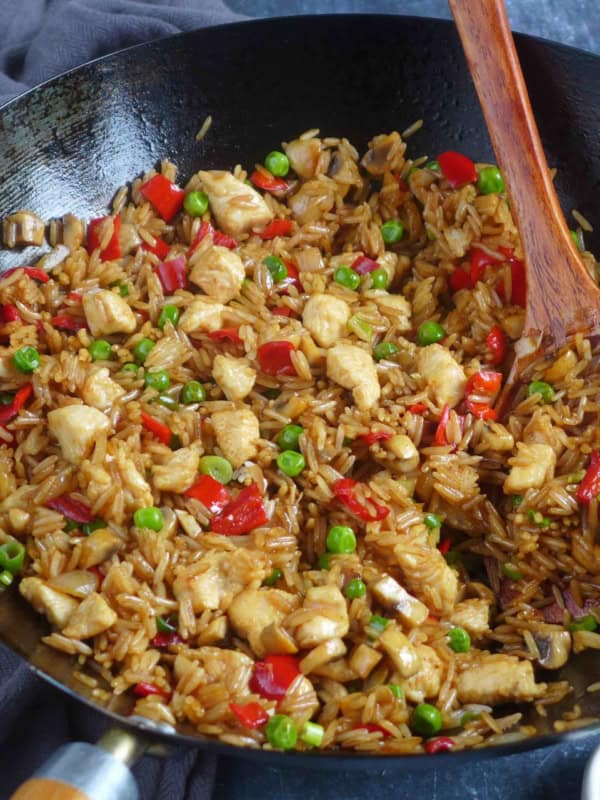
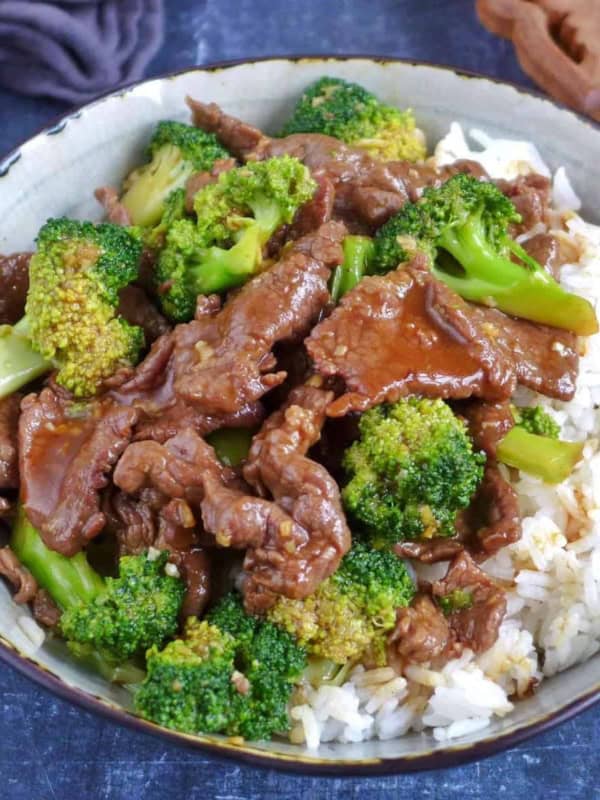
Looking for other recipes for Chinese takeout favorites? Try these:


📋 Recipe card
Love this recipe? Please leave a 🌟🌟🌟🌟🌟 rating and a comment. Thank you!

Lo Mein (捞面)

Ingredients
For the chicken
- 8 oz chicken breasts, see note 1
- 2 teaspoon cornstarch
- 1 pinch salt
- 1 tablespoon water
- 1 teaspoon neutral cooking oil
For the sauce
- 2 tablespoon oyster sauce, see note 2
- 1 tablespoon light soy sauce
- 1 tablespoon dark soy sauce, see note 3
- 1 tablespoon cornstarch
- 1 teaspoon sugar
- ¼ teaspoon ground white pepper
- 6 tablespoon water, or unsalted stock
- 1 teaspoon sesame oil
For the noodles
- 1⅓ lb pre-cooked egg noodles, see note 4
For the stir-fry
- 2½ tablespoon neutral cooking oil
- 4 clove garlic, minced
- 1 medium onion, sliced
- 1 bell pepper, sliced
- 1 cup button mushrooms, sliced
- 1 cup snap peas
- 2 stalk scallions, chopped
Instructions
Marinate the Chicken
- Thinly slice the chicken breast. In a bowl, combine the sliced chicken with cornstarch, salt, and water until the liquid is fully absorbed. Add oil and mix to coat the chicken evenly. Set aside to marinate while you prepare the other ingredients.
Mix the Sauce
- In a small bowl, whisk together oyster sauce, light soy sauce, dark soy sauce, cornstarch, sugar, ground white pepper, and water until smooth. Then, stir in sesame oil and set the sauce aside.
Prepare the Noodles
- Briefly submerge the precooked noodles in a pot of hot water to warm them up and separate any tangled strands (see note 4 if using uncooked noodles).
Sear the chicken
- Heat a wok or large skillet over high heat, then add 1½ tablespoons of oil (if using non-stick cookware, add the oil first, then heat). Put in the marinated chicken, spreading the pieces into a single layer.
- Once the bottom side turns pale, flip and toss the chicken until no pink remains. Transfer the chicken to a plate, leaving any oil in the wok.
Stir-fry the dish
- In the same wok/skillet, add the remaining 1 tablespoon of oil, followed by garlic and onion, letting them sizzle until fragrant.
- Add the bell pepper, mushrooms, and snap peas. Stir-fry over high heat until the vegetables wilt slightly but remain crisp.
- Return the seared chicken to the skillet and toss with the vegetables for about 30 seconds.
- Then, turn the heat down to medium. Add the noodles and pour in the sauce mixture (be sure to stir the sauce well beforehand). Toss everything to coat evenly and allow the sauce to thicken.
- Sprinkle the chopped scallions over the dish and give it one final toss.
Notes
Your Recipe Notes
Nutrition
Nutrition information is automatically calculated, so should only be used as an approximation.












Wow! Lo Mein has never been my go-to at a Chinese restaurant. Not that I don’t like it, but I’d rather try different dishes. But I made this recipe, and WOW. I’ve always marveled at the tender, moist chicken in the Chinese restaurants. With this recipe, mine was equally tender and moist. The vegetables were crisp and delicious. The whole meal was a fabulous success and so simple to make.
Thank you thank you thank you!!
I’m so happy you gave the Lo Mein a try! It sounds like you nailed it: tender chicken, crisp veggies, and all. Hope you’ll find more inspiration on my blog.
Loved this recipe. simple and tasty. I’m going to try your other vegetable recipes as I want to add more fibre to my diet. A five star for sure
Hope you’ll enjoy my vegetable recipes on my blog. Happy cooking, Pete!
So simple and delicious! The taste is just like what I expected. Will cook it again.
That’s great to hear!