


Beautifully crispy on the outside and juicy within, popcorn chicken is a Taiwanese street food favorite. Recreate it at home with simple ingredients and foolproof tips.

Pin this now to find it later!
Pin ItTable of Contents
Recipe Highlights
- Made with everyday ingredients and simple methods
- Delivers a super crispy crust with minimal greasiness
- Stays juicy and tender, even when using chicken breasts
What is popcorn chicken?
Popcorn chicken! Doesn’t the name alone make you hungry? A street food sensation, Taiwanese style popcorn chicken (aka Taiwanese fried chicken) has become popular worldwide in recent years. I’ve always loved eating it, but for the longest time never thought of making it at home. After some research and testing, I couldn’t wait to share this recipe I’m truly proud of.
The Chinese name of the dish, Yán Sū Jī/盐酥鸡, literally means “salted crispy chicken”, which describes the dish even better than “popcorn chicken”. Bite-sized chicken pieces are marinated and tenderized, then coated in starch and flour. They’re deep fried in basil-infused oil, sprinkled with salt and spice, and served alongside crispy basil leaves.

So how is popcorn chicken different from other types of fried chicken? A few things set it apart:
- Bite-sized pieces meant to be eaten by hands, perfect for snacking
- Classic Chinese seasonings that delivers a distinctive taste
- A cornstarch-and-flour coating that creates an ultra-crispy crust.
- Thai basil leaves that add extra fragrance and crunch.
Ingredients

Here are the ingredients you need for this recipe:
Chicken
Any boneless cut of chicken works: breast, thigh, or drum, with or without skin. To be honest, I’m not a big fan of breast meat since it can be tricky to keep juicy. The good news is I tested this recipe with it, and the result was more than satisfying. Plus, breast is the easiest cut to slice into evenly sized pieces.
Starch & flour
Traditionally, coarse sweet potato starch (not the regular fine type) is used. But since I had to search several Chinese shops just to find one bag, I know it’s not practical for most readers. After testing, I discovered that a cornstarch-and-flour mix works just as well. In fact, the taste testers in our Red House preferred it.
This combination works beautifully, creating the signature crust of popcorn chicken. Cornstarch makes the coating light and crisp, while flour helps it stick to the meat and develop an appealing golden color.
To boost the crispiness, I add a little baking soda to the batter. If you don’t have it on hand, feel free to skip it. The difference is quite subtle.
Seasonings
You don’t need much to season popcorn chicken: a dash of soy sauce for savory umami flavor, some minced garlic for aroma, and a ground spice of your choice, such as Chinese five-spice powder, ground Sichuan pepper, or white pepper. For an extra kick, you can also sprinkle in some ground chili pepper if, like me, you enjoy a bit of heat.
Basil
Classic popcorn chicken is always accompanied by crispy Thai basil leaves, which I’ve included in my recipe. For many, though, they’re not easy to find, and leaving them out won’t take away from your enjoyment of the dish – I promise! Italian sweet basil isn’t an ideal substitute, as its delicate leaves are trickier to deep fry.
How it’s made
Step 1: Marinate the chicken

Start by cutting the chicken into bite-sized chunks, about an inch (2.5 cm) across. Pop them into a mixing bowl, then add cornstarch, flour, light soy sauce, minced garlic, five-spice (or sichuan pepper, white pepper), a little baking soda, and some water. Mix thoroughly so every piece is well coated. Set aside for 15 minutes for everything to settle.
Step 2: Coat the chicken

For the signature crust, prepare the coating by mixing a generous amount of cornstarch and flour. Roll one piece of marinated chicken at a time in the mixture. Once it’s evenly covered all round, gently shake off any excess. Place it on a clean plate. Repeat the procedure to coat the remaining chicken.
Be aware that the sticky, semi-runny marinade helps the coating cling to the chicken. So the pieces shouldn’t look dry before you place them in the coating mixture.
Step 3: Fry the basil

Pour oil into a wok or deep saucepan, at least 3 inches/7.6 cm deep. Add the Thai basil (make sure it’s completely dry to avoid splashing), then turn on the heat. As the oil heats up, the leaves will slowly turn crisp. Once they look shiny and brittle, the oil is hot enough to fry the chicken. Remove the basil and move on to the next step right away.
Step 4: Double fry the chicken

Carefully lower the chicken pieces into the hot oil, one at a time. Fry until they turn pale golden and lightly crisp. Fish them out and let the oil heat up again for half a minute. Then slide the chicken back in for the second fry. Very quickly the crust will turn into a deep golden color shell that stays crunchy even after cooling.
Step 5: Season and serve

Transfer the fried chicken to a plate lined with paper towels to drain any excess oil. While it’s still hot, sprinkle over the salt and spice mix, along with the crispy basil. Serve immediately to enjoy the best crunch, the full aroma, and tender, juicy meat.
Extra tips
Dos:
- Let the chicken marinate for longer, for example overnight in the fridge. This helps the flavor penetrate further. Be sure to bring it back to room temperature before moving onto the next step so it’s not too cold for frying.
- Coat the marinated chicken generously to ensure the optimal crispiness.
- Use cooking oil that has a high smoking point and suitable for deep frying, such as sunflower, canola, vegetable, peanut, avocado, etc.
- If you don’t have basil, test the oil temperature by dipping the tip of a wooden or bamboo chopstick into the oil. If steady bubbles appear immediately, the oil is ready.
Don’ts
- Do not cut the chicken pieces too small as they dry out easily during frying.
- Do not cover the wok with a lid. The steaming gathered inside will cause dangerous splattering if hot oil.
- Do not overcrowd the wok. Cook in batches. This helps keep the oil temperature steady and prevents the batter from absorbing too much oil.

How long they stay crispy?
This is a dish best enjoyed right away. And I can promise it will disappear faster than you expect. Who could resist such deliciousness?
Like any battered and deep-fried food, the crispy coating of popcorn chicken softens over time as moisture from the meat seeps out, dampening the crust. Meanwhile, the chicken itself gradually loses its juices and becomes drier. That’s why preparing it far in advance simply doesn’t work if you want the best result.
In my tests, the chicken stayed reasonably crisp and the meat fairly moist for 2-3 hours. Beyond that, though, the quality drops noticeably, so I wouldn’t recommend leaving it any longer.
Reheat leftovers
Leftovers can be reheated in an oven or air fryer at 350°F (175°C) for a few minutes. This will bring back a bit of crispiness, though not as much as when freshly fried, and the meat inside will be drier. Avoid microwaving, as it makes the coating soft and rubbery.
Other chicken dishes
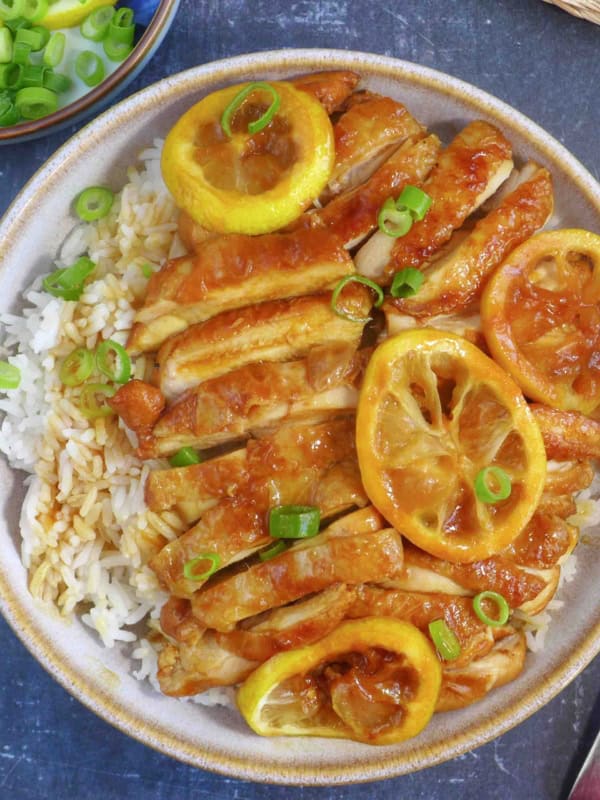
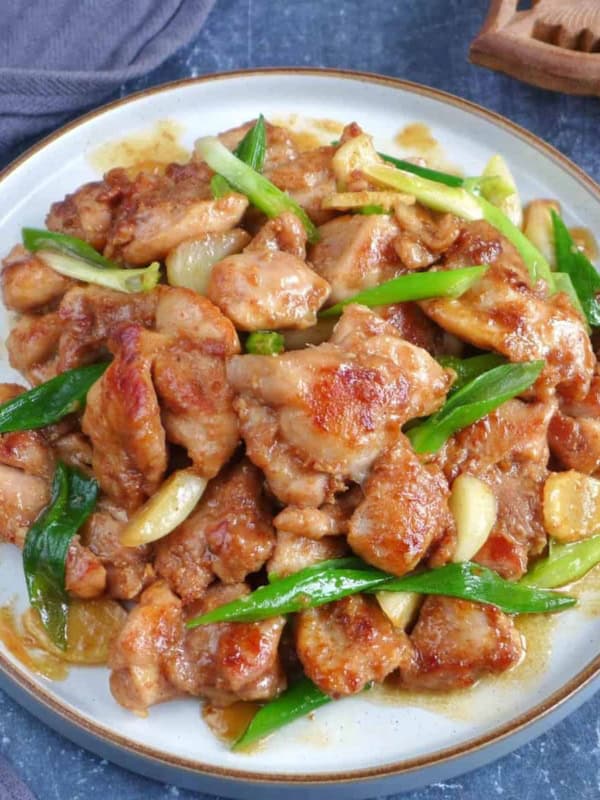
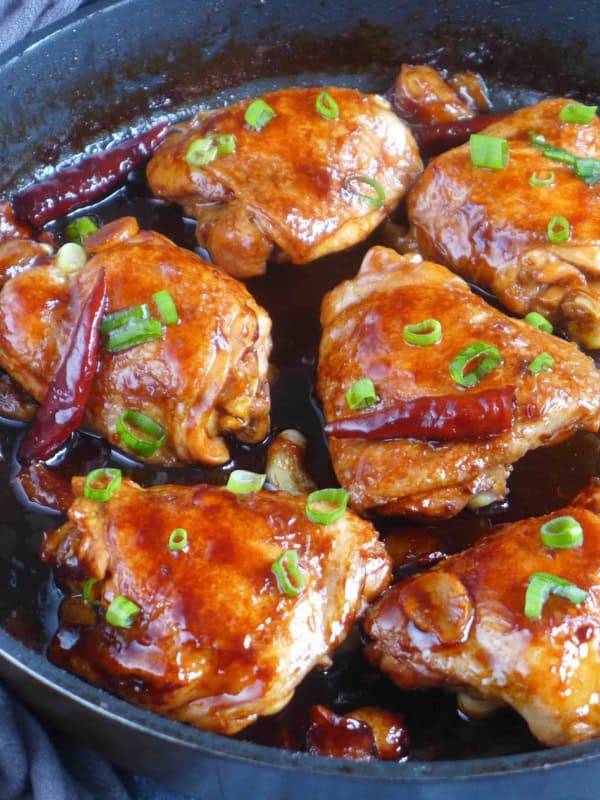
Looking for other delicious ways to enjoy chicken? Try these popular recipes:

📋 Recipe card
Love this recipe? Please leave a 🌟🌟🌟🌟🌟 rating and a comment. Thank you!

Taiwanese Popcorn Chicken (盐酥鸡)

Video
Ingredients
For marinating
- 1 lb chicken breast, or other boneless cuts (see note 1)
- 4 tablespoon water
- 4 tablespoon cornstarch
- 2 tablespoon all-purpose flour
- 2 tablespoon light soy sauce
- 2 teaspoon garlic, minced
- ½ teaspoon five spice powder, or ground Sichuan pepper, white pepper
- ¼ teaspoon baking soda
For coating
- 6 tablespoon cornstarch
- 6 tablespoon all-purpose flour
For deep-frying
- Neutral cooking oil, such as sunflower, canola, peanut, or avocado
- Fresh Thai basil, Optional
For seasoning
- ¼ teaspoon five spice powder, or ground Sichuan pepper, white pepper
- ¼ teaspoon salt
- ground chili pepper, optional
Instructions
Marinate
- Cut the chicken into chunks, around 1 inch (2½ cm) in size. Put them into a bowl and add water, cornstarch, flour, light soy sauce, garlic, five-spice, and baking soda. Mix well, then leave to marinate for 15 minutes (see note).
Coat
- In a large, deep plate or tray, mix the cornstarch and flour for coating. Transfer one piece of marinated chicken to the plate and coat it with the mixture generously and evenly.
- Gently shake off any excess, then place the coated chicken on a dry plate. Repeat with the remaining pieces.
Deep fry
- Pour oil for deep frying into a wok or a deep saucepan. Add Thai basil leaves (make sure they are completely dry), then turn on the heat to high. Once they turn crispy, remove with a slotted spoon and drain on paper towel.
- Carefully lower the chicken pieces, one by one, into the hot oil without overcrowding the wok (you'd likely need to fry in 2-3 batches). Fry until lightly golden and crispy.
- Remove with a slotted spoon, then wait 30-40 seconds for the oil to return to high temperature. Slide the chicken back in for a second fry. Once the crust turns vibrantly golden, transfer the pieces to the plate with basil.
- Mix five-spice powder with salt (and ground chili pepper if you wish), then sprinkle over the chicken. Serve immediately for the best flavor and crunch.
Notes
- For deeper flavor, marinate the chicken longer. Bring it back to room temperature before frying.
- Avoid cutting the chicken too small, or it may dry out.
- Coat the chicken generously with the starch and flour mixture to ensure a crisp crust.
- If not using basil, check the oil temperature with a wooden chopstick; steady bubbles around its tip mean the oil is hot enough.
- Fry the chicken in batches to keep the oil temperature steady and the coating crunchy.
- Never cover the wok while frying, as trapped steam can cause dangerous splattering.
Your Recipe Notes
Nutrition
Nutrition information is automatically calculated, so should only be used as an approximation.














I have a question regarding the cooking method. Would it be possible to cook in the air frye to reduce the oil consumption?
Hi Jacquie! Air frying is a great way to cut down on oil for some fried dishes. Unfortunately, it doesn’t work well for popcorn chicken with this recipe.
Thanks for letting me know, very much appreciated.