
An essential filling for Chinese pastries and desserts, red bean paste tastes amazing when made at home. This recipe includes two classic versions.
Pin this now to find it later!
Pin ItTable of Contents
What is red bean paste
Red bean paste, known as Hong Dou Sha/红豆沙 in Chinese, is a sweetened paste made of adzuki beans (aka red beans), sugar and some fat of your choice. Typically used as a filling for many classic Chinese treats, it’s also popular in other Asian cuisines, e.g. Japanese, Korean, etc.
Although commercial ready-to-use red bean paste is available in Chinese/Asian shops, the homemade version tastes so much better (not to mention there is no additives, artificial colouring or flavouring).
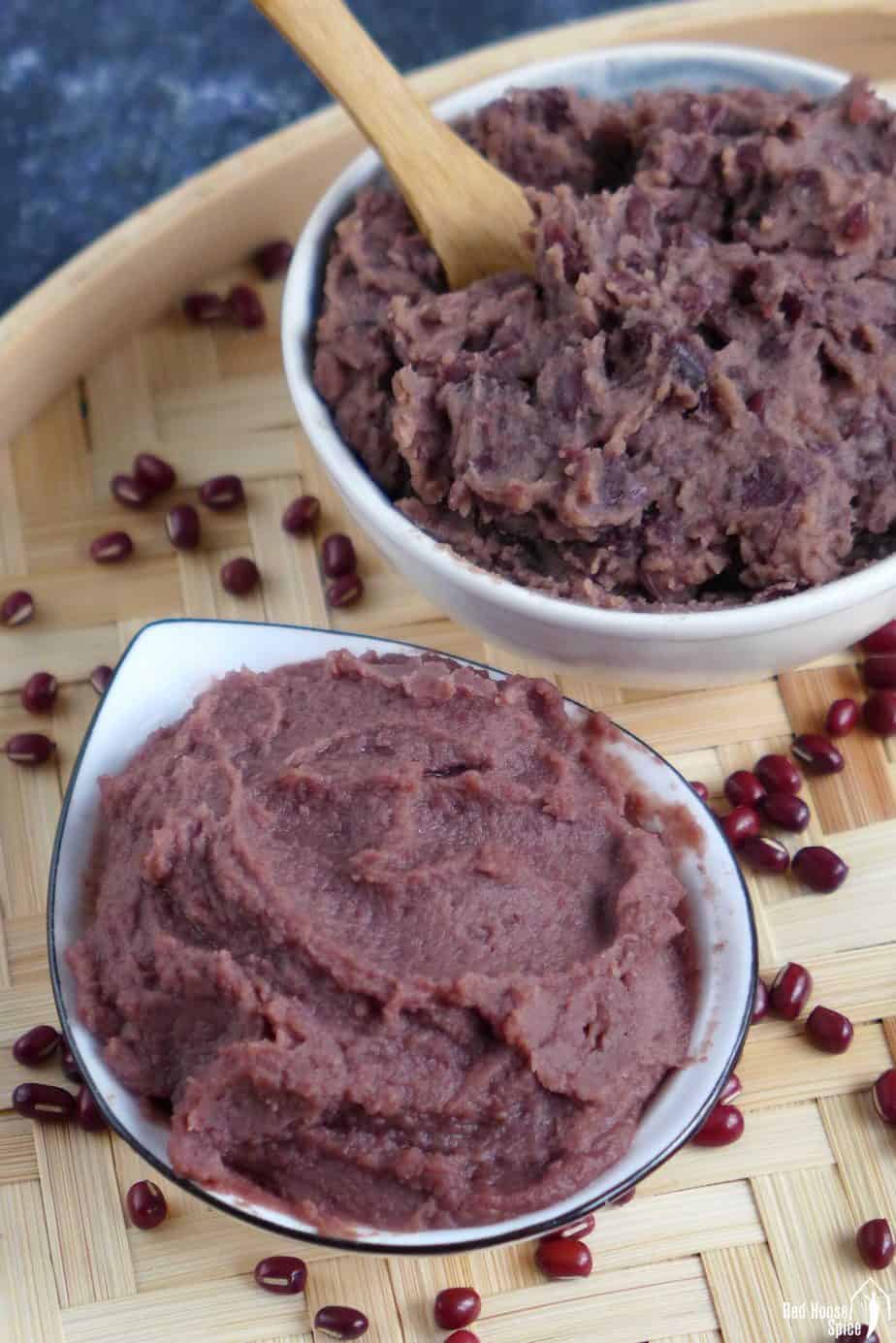
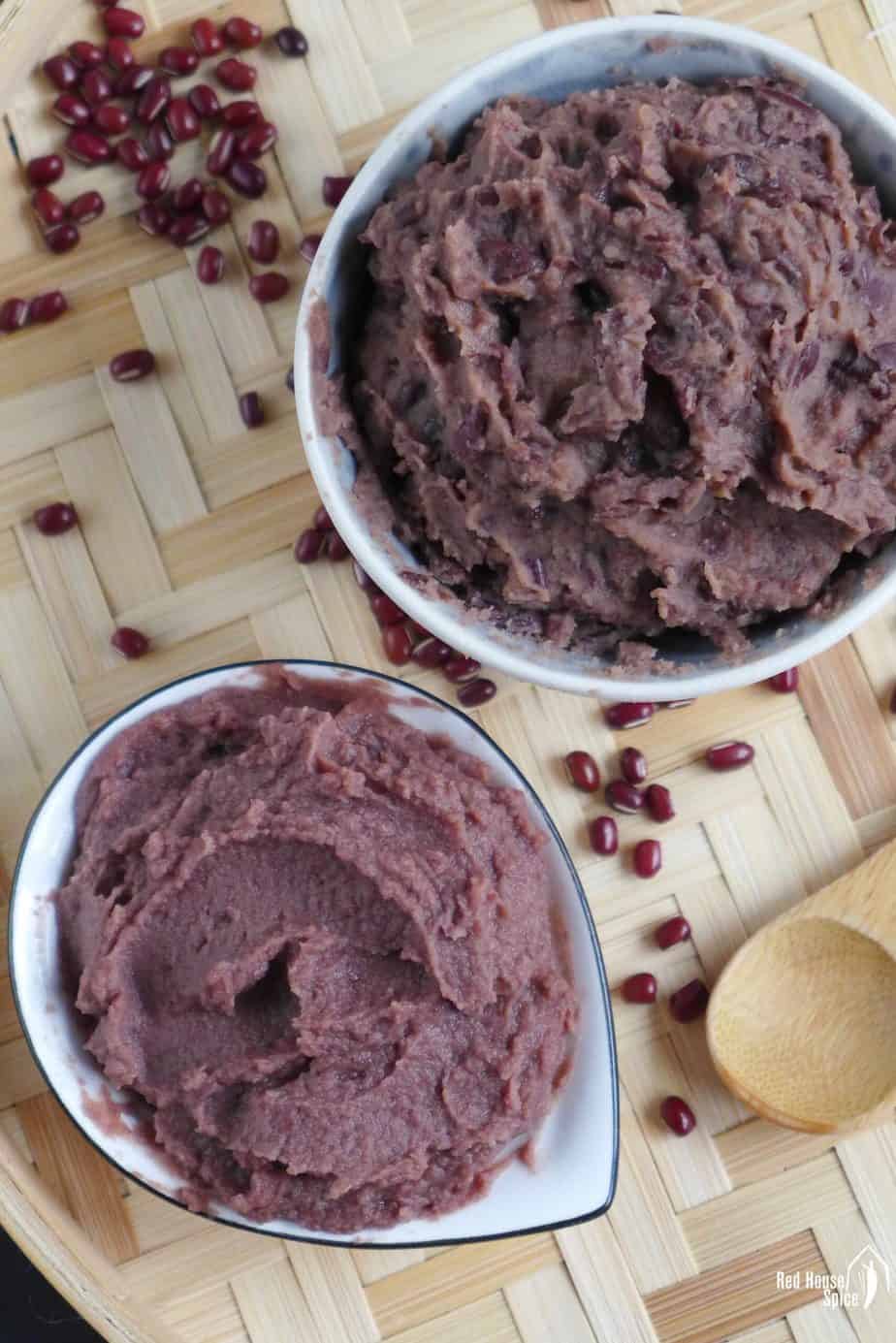
And it’s very easy to make! The cooked beans are mashed into either a fine, smooth or a rustic, chunky texture.
What is it used for

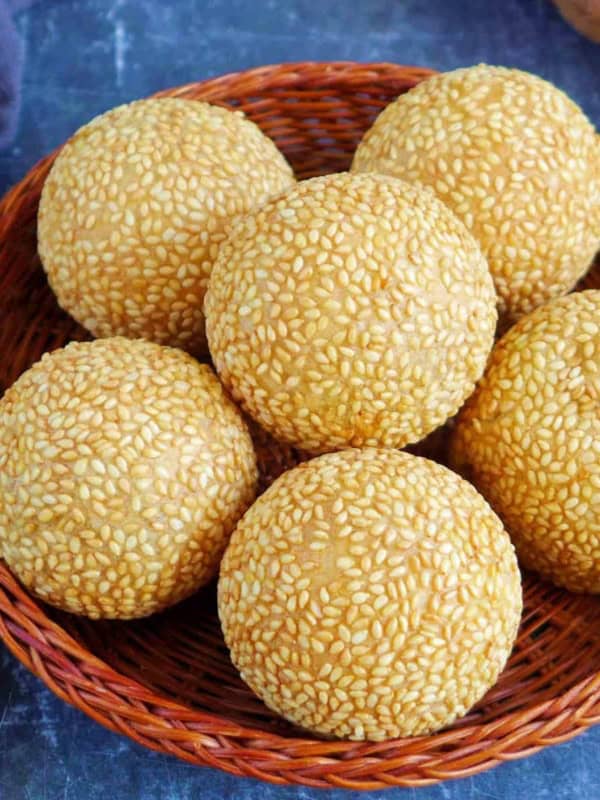
It’s safe to say that red bean paste is the most versatile, most-loved sweet filling in Chinese cuisine. You can find it in almost all the Chinese stuffed pastry and desserts, such as Sesame Balls, Red bean bun, Mooncake, Tang Yuan (glutinous rice ball), Zongzi (sticky rice dumpling), Eight Treasure Rice Pudding, Pumpkin Mochi Cake…The list goes on.
What are adzuki beans
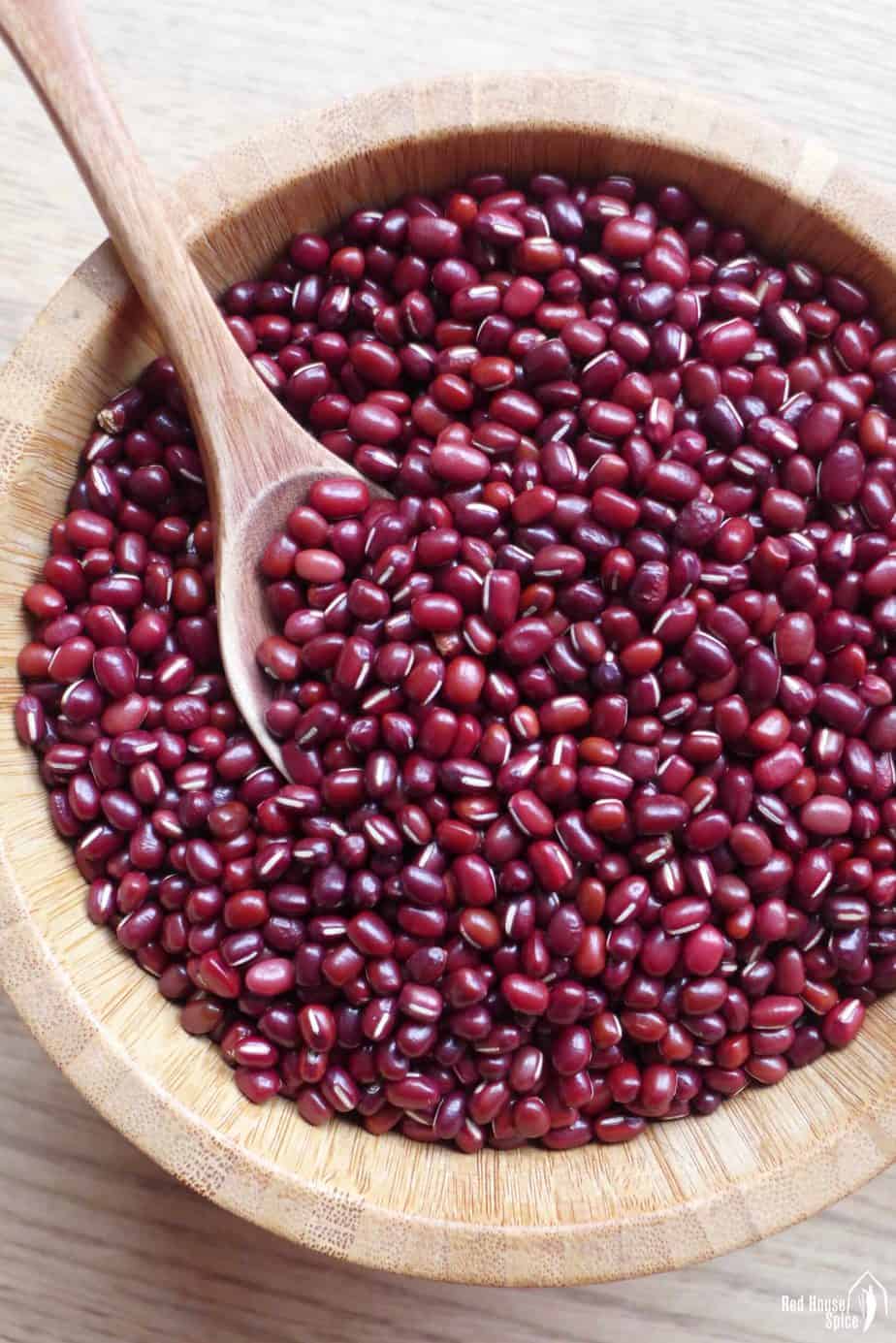
Adzuki bean (spelling variations include azuki bean, aduki bean) is a type of small, round, red-coloured bean commonly found in East Asian cuisine. It’s about 5mm in diameter, a little bigger than mung bean. Another widely used name “red bean” is the literal translation of its Chinese name Hong Dou (红豆).
Widely available in Chinese/Asian shops, adzuki beans can also be found in whole food stores. Apart from raw ones, look out for canned, ready-to-eat adzuki beans which allow you to skip the lengthy process of cooking the beans and go straight to the last step of mashing the paste. A wonderful time saver indeed.
I’ve been asked if other types of beans, e.g. kidney beans, would work for this recipe. Yes, they would if you’re making the smooth version with a blender (technique explained in later sections). The flavour will be a little different but still tasty.
Which type of sugar
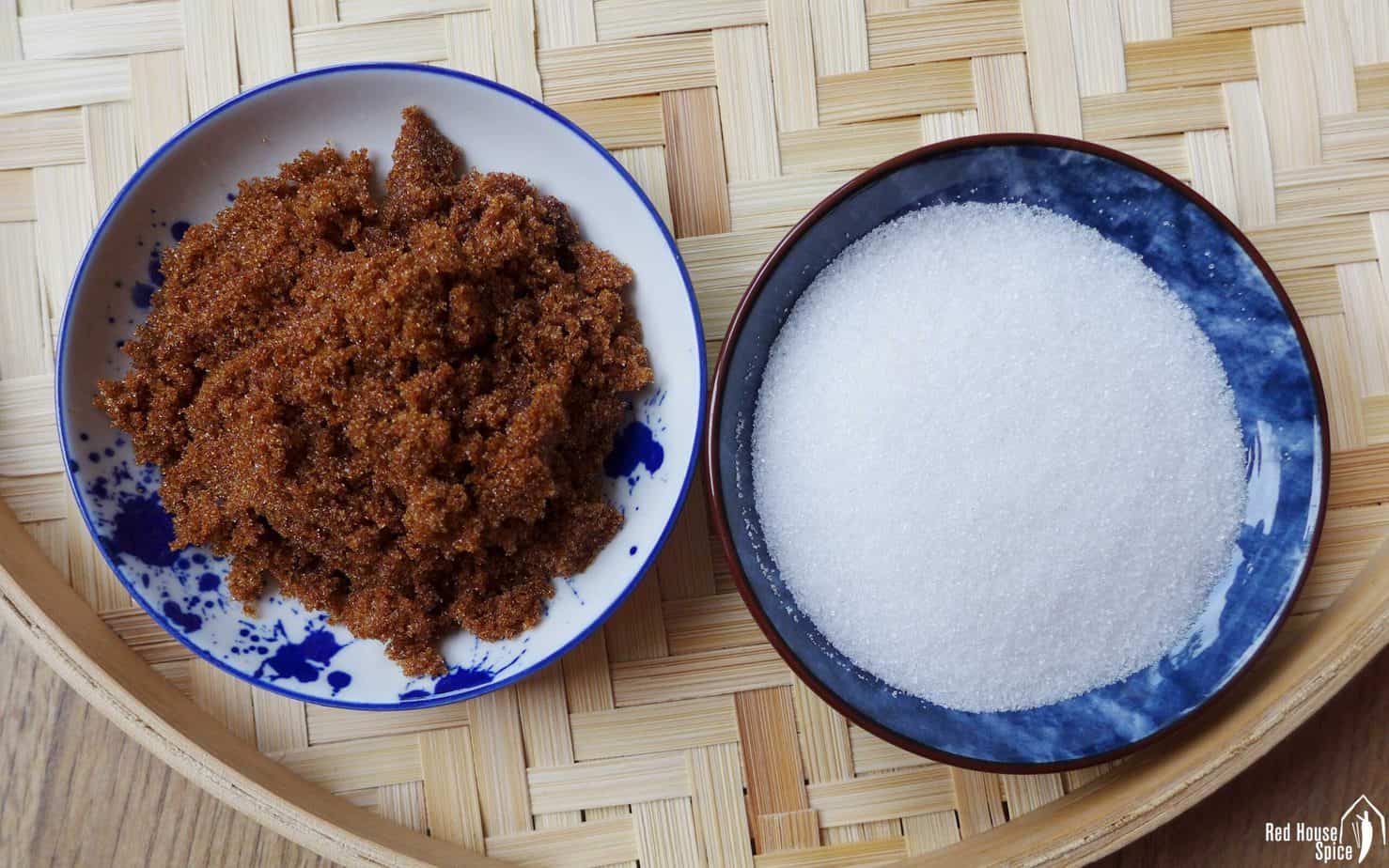
To sweeten the beans, you may use any type of sugar (rock sugar, Bing Tang/冰糖, is a traditional option). I like the combination of white sugar and dark brown sugar (see image above). The latter offers a nice caramel taste which I appreciate very much.
There isn’t a set bean sugar ratio for this paste. Although I give precise measurements in the recipe card below, you’re totally free to adjust the quantity of sugar based on your preferred sweetness (This is one of the advantages homemade red bean paste has over the shop-bought version). Since the beans are already cooked when you add the sugar, it’s perfectly safe to give it a taste.
Why add fat
You might have seen recipes that only call for adzuki beans and sugar. It’s fine to do so. But I like adding some butter too (lard is the traditional option). It makes your red bean paste better in three senses:
- It adds extra rich flavour making the paste even tastier.
- It helps to improve the texture: more silky and creamy.
- Since butter solidifies when cooled, it makes the paste firmer thus makes shaping less messy. Yet when the dish is served hot, the paste regains its soft texture.
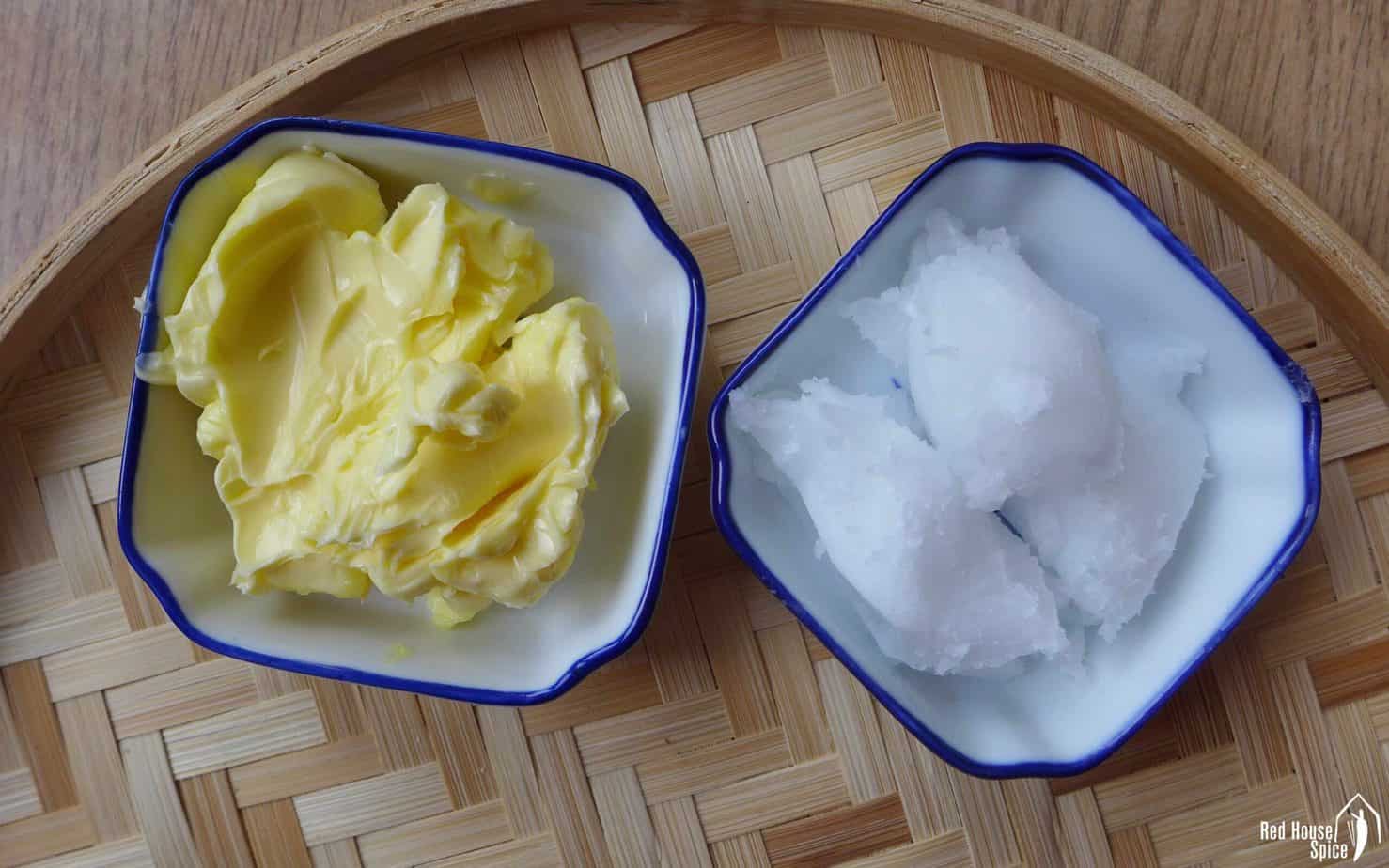
If you wish to make the paste vegan friendly, replace butter with coconut oil (see image above). In this case, I’d suggest you reduce its quantity by half as the coconut flavour can be a little overpowering.
Cooking process
Step 1: soak the beans
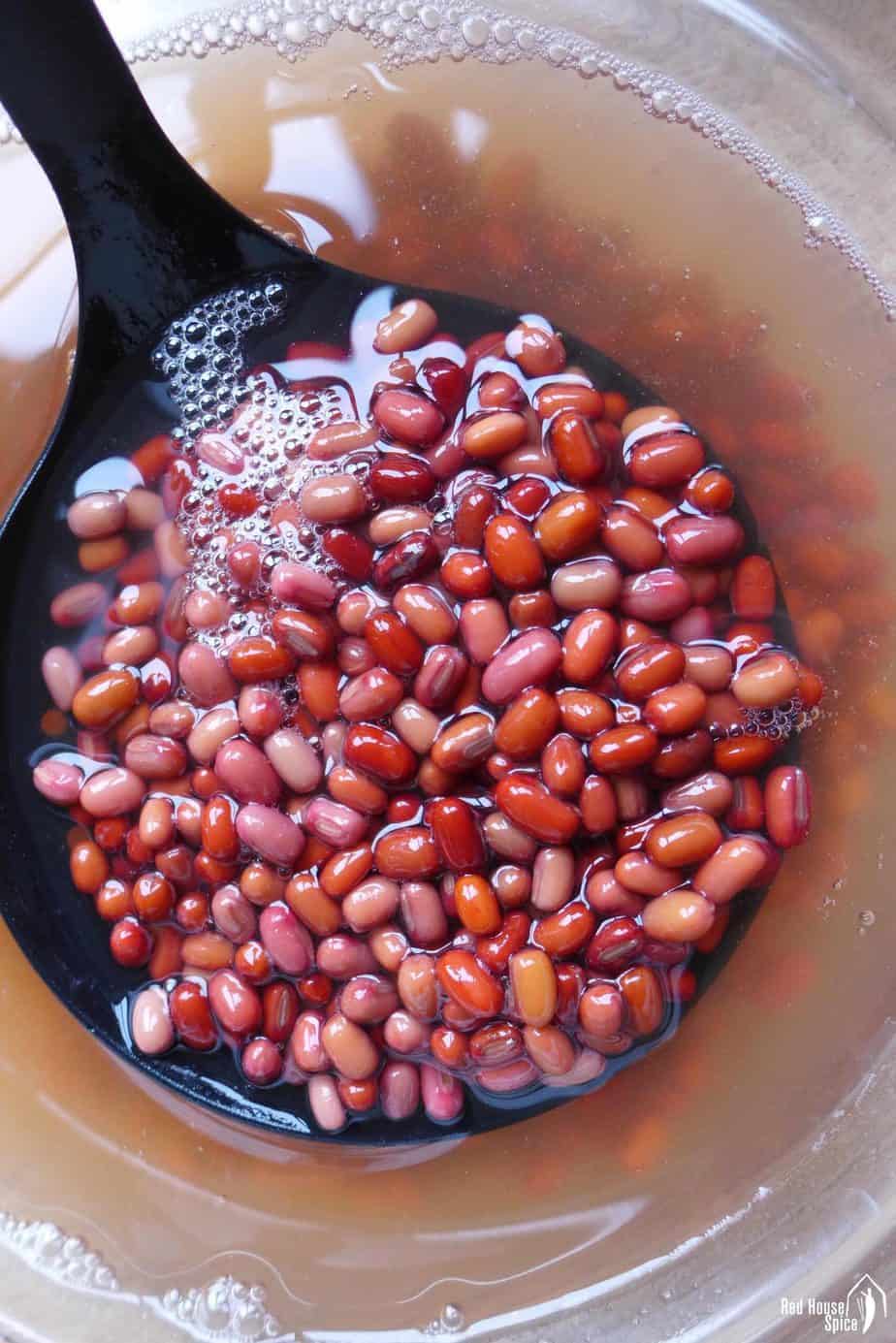
To reduce the cooking time, remember to rehydrate adzuki beans beforehand. Put the beans into a bowl then pour in water. Leave to soak overnight. Unlike many other dried ingredients, it wouldn’t be enough to just soak them for a few hours.
Step 2: cook the beans
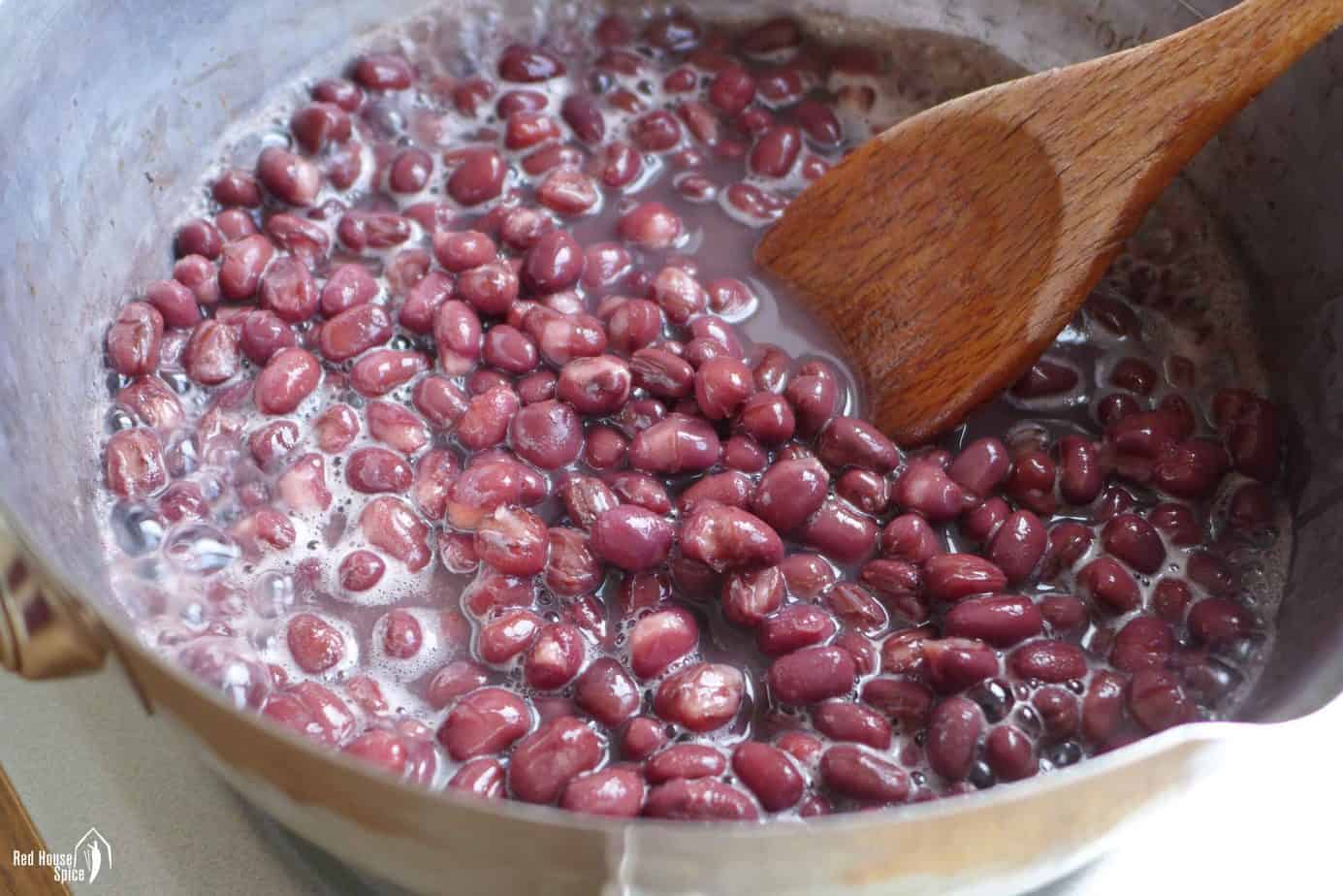
After soaking, drain the beans and rinse well under running water. Put the beans into a small pot and add water enough to cover all the beans. Bring it to a boil then leave to simmer for 60-90 minutes until they become soft and easy to be crushed. Don’t forget to check the water level halfway through. Top up if necessary to avoid burning.
🌟TIP: Use instant pot/pressure cooker: To speed up the process, use a stove-top pressure cooker or an instant pot if available. Cook for 25 mins (count from the moment when the high pressure is reached if using a pressure cooker). Then allow the pressure to release naturally before you open the lid.
Step 3: make the paste in two ways
There are two types of red bean paste that you can make depending on which dish you’re using it as a filling for. The smooth, fine one is good for all purpose, whereas the roughly crushed, chunky one can be used in Red Bean Buns, Zongzi (sticky rice dumplings), Eight Treasure Rice Pudding, Pumpkin Mochi Cake, etc.
🛎 Option 1: Make a smooth paste with a blender
Drain the cooked beans then put into a blender or food processor. Add sugar and butter. Blend on high speed into a fine paste.
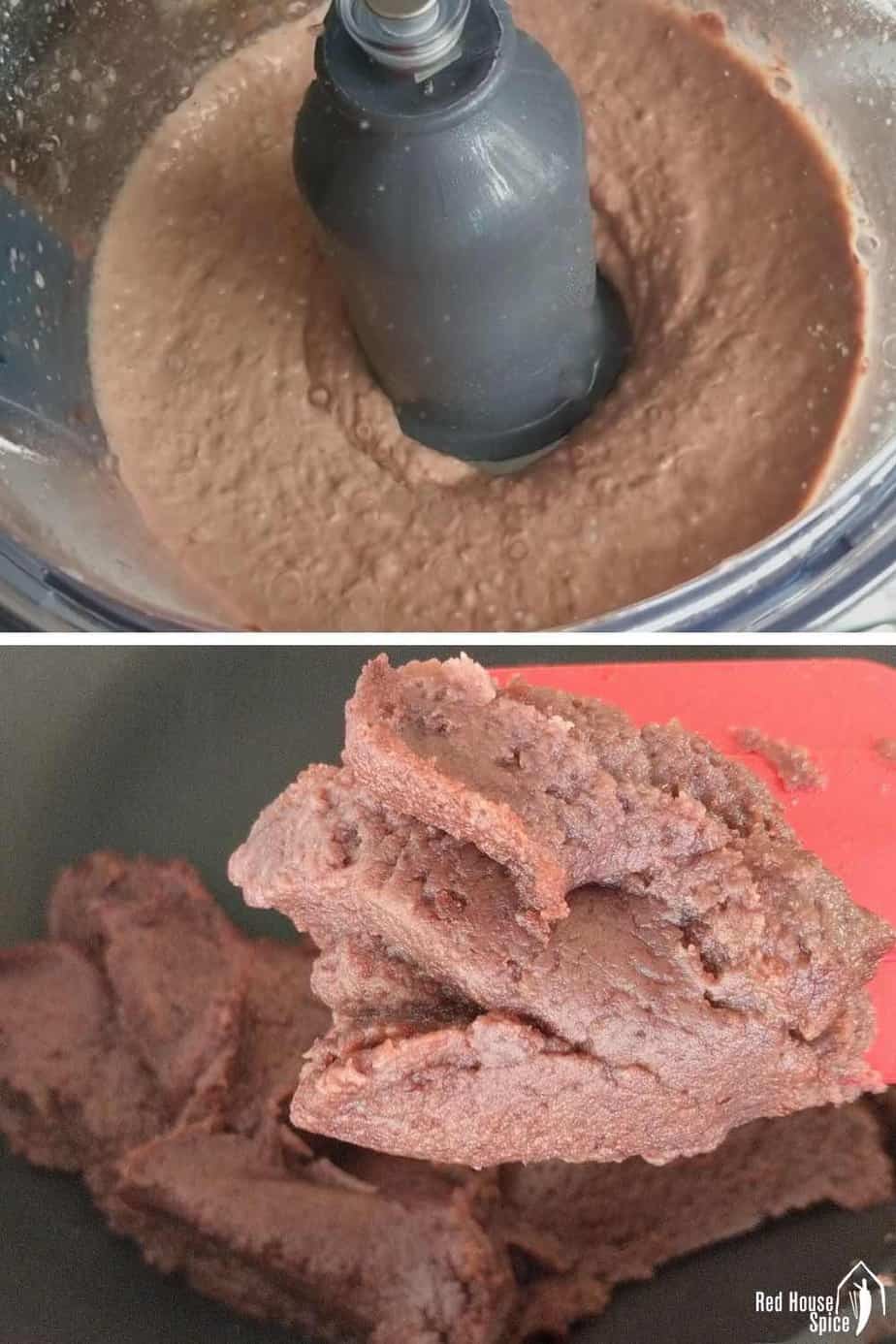
You might find it too dry to blend properly. In this case, add a little water to help. However, only add as little as necessary. Otherwise, it will take you longer to dehydrate the paste in the next step.
Once the beans turn into a puree, transfer to a pan. Cook over medium heat to reduce moisture. Stir and flip constantly to avoid burning. Once the paste becomes dark and holds in shape, remove from the heat to cool.
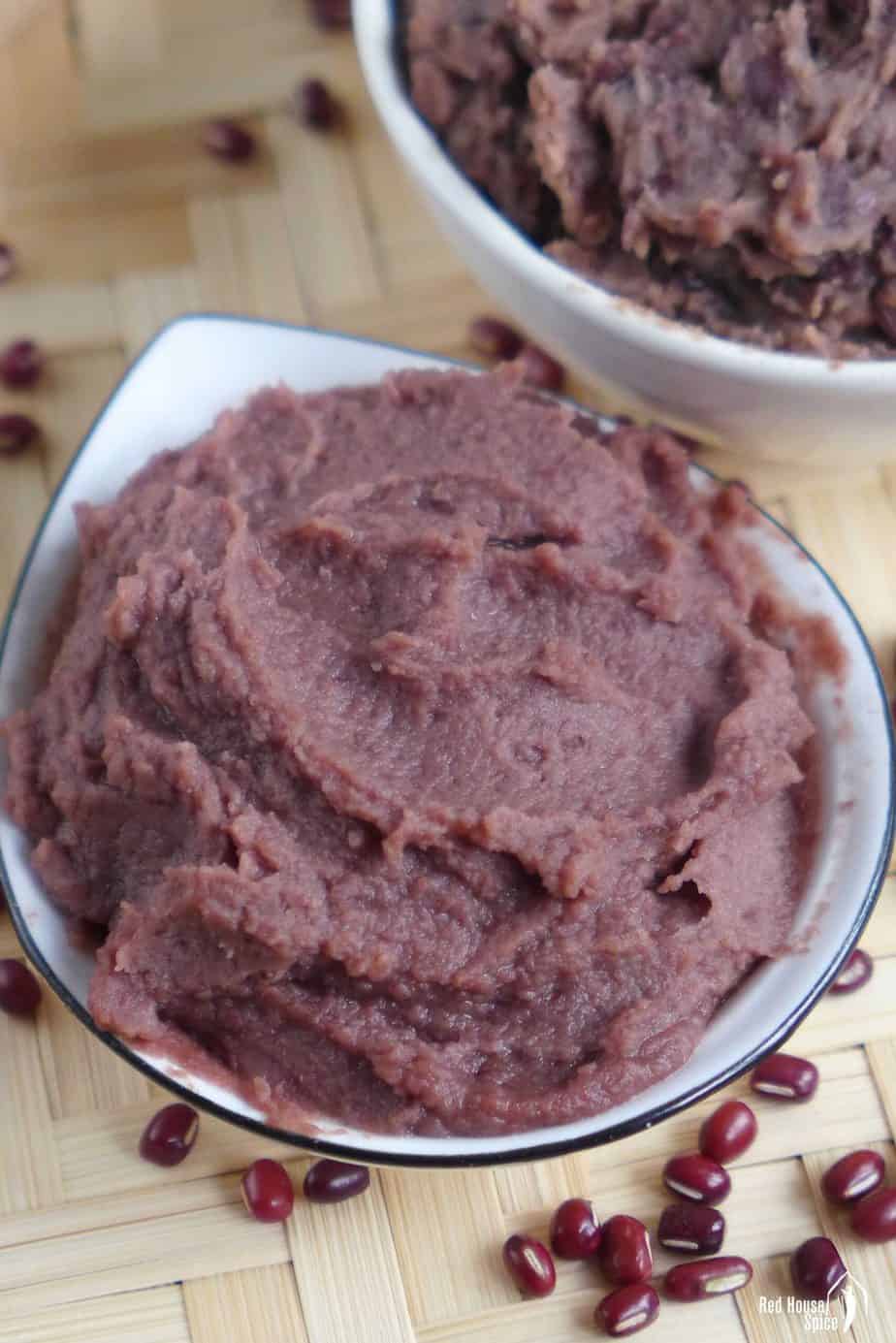
🛎 Tip: You could make fine red bean paste manually without a blender. Press the beans through a sieve to allow the soft inner part of the beans to go through and leave out the skin.
🛎 Option 2: Make a chunky paste by hand
Once the beans are cooked, tilt the pot to remove the remaining water. Leave the beans in the pot then add sugar and butter. To crush the beans manually, I often use the flat bottom of a jar. It’s pretty efficient! Or, use a potato masher if you have one.
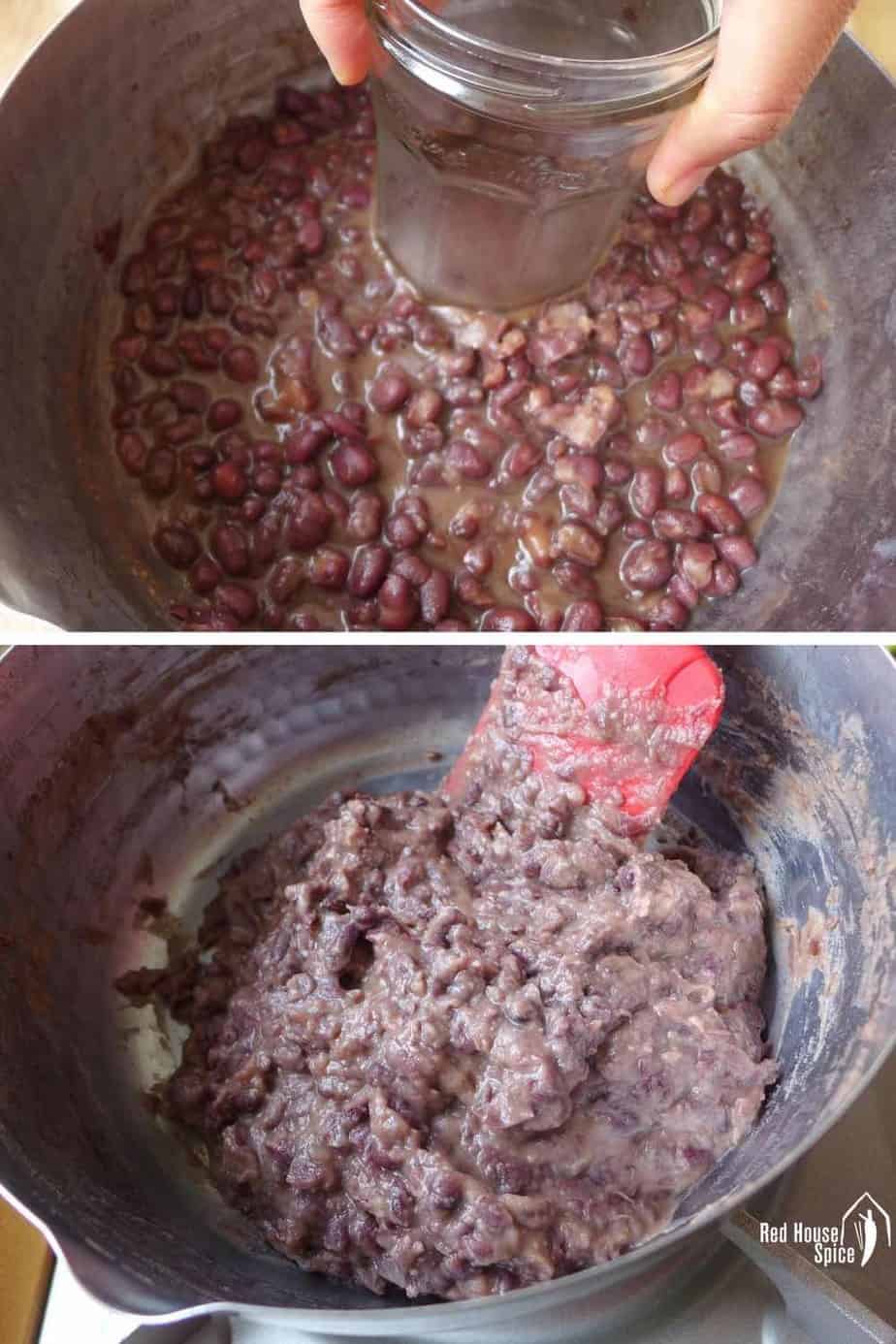
After mashing, turn the heat back on. Cook the paste until it reaches the desired consistency. Don’t forget to flip constantly during this process to avoid burning.
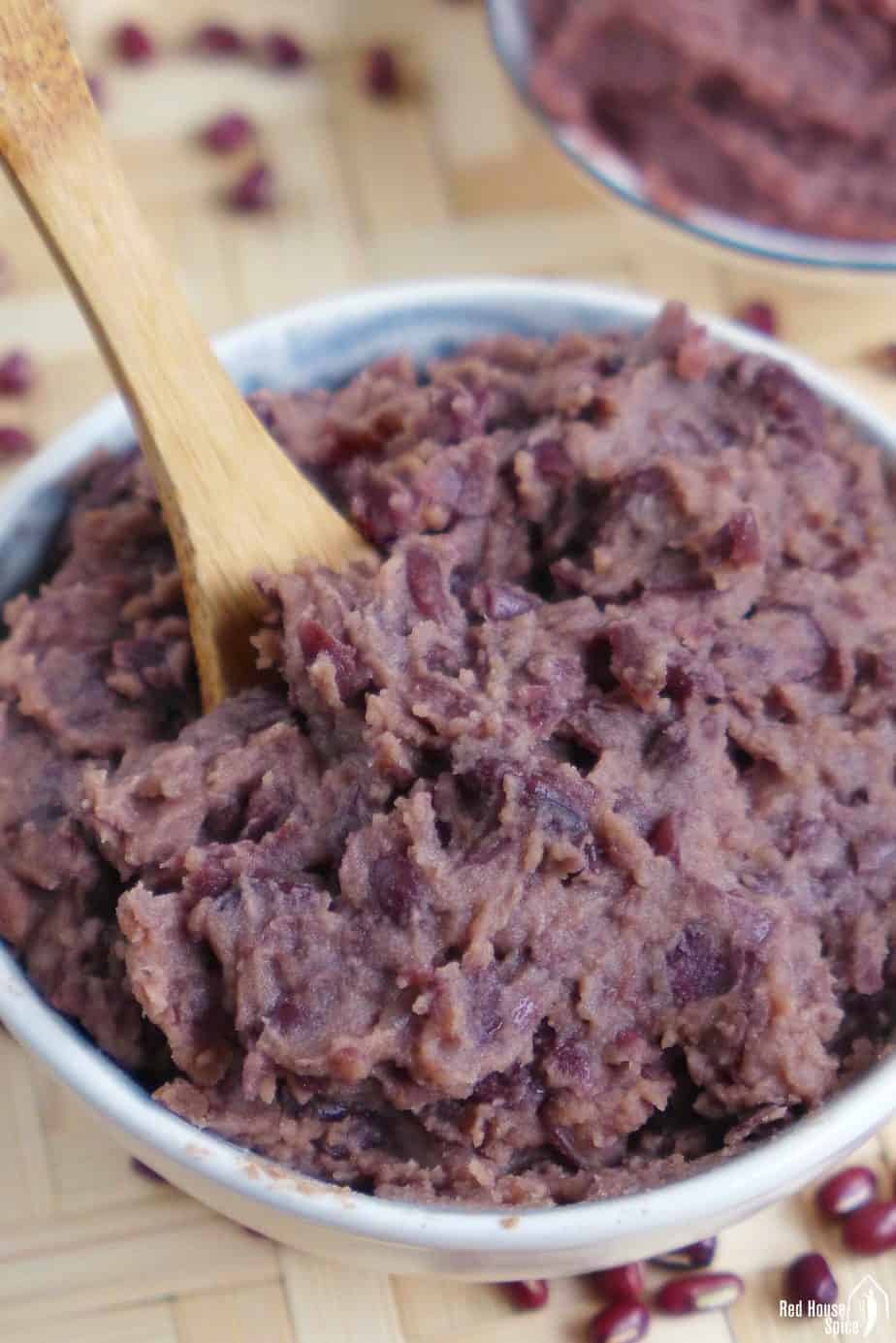
The ideal consistency
Now you might be wondering: How long do I need to cook the paste for? How do I know what is the right consistency? To help you judge, here are two tips:
- Be aware that the moisture in the paste will continue evaporating as it cools down, so if the paste appears to be dry when hot, it will be too dry once cooled.
- You would want the paste a little firmer if using it to fill Mooncakes, Tang Yuan (glutinous rice balls) or Sesame Balls as it will make shaping a lot easier. However, if the paste goes into Red Bean Buns, you might enjoy a softer texture.
Storage
If you love all things with red bean paste as I do, I’d like to encourage you to make a big batch at a time. It can be kept in the fridge for up to 3 days or in the freezer for two months.
Before freezing, divide the paste into small portions so that you can be flexible on how much to use each time. Defrost in the fridge before adding it to the dish you’re making.
BTW, you can use leftover red bean paste to make Red Bean Popsicles.
Homemade Red Bean Paste (Hong Dou Sha, 红豆沙)

Ingredients
- 200 g adzuki beans (aka red beans), about 1 cup, see note 1
- 500 ml water
- 2 tablespoon white sugar
- 2 tablespoon dark brown sugar
- 80 g butter, about ⅓ cup, see note 2 for vegan options
Instructions
Soak the beans
- Soak adzuki beans in water overnight. Drain then rinse well.
Cook the beans
- Put the beans into a small pot. Pour in water. Bring it to a boil then leave to simmer for 60-90 mins until they become soft and easy to crush (check the water level halfway through. Top up if necessary to avoid burning).
- You may use a stove-top pressure cooker or an instant pot to speed up the process. Cook for 25 mins. Then leave to cool naturally.
Option 1: Make a smooth paste with a blender
- Drain the cooked beans then put into a blender or food processor. Add white sugar, dark brown sugar and butter. Blend on high speed into a fine paste. You may need to add a little water to make blending easier. However, only add as little as necessary.
- Transfer the puree into a pan. Cook over medium-high heat while stirring and flipping constantly to avoid burning. Once the paste becomes dark and holds in shape, transfer out to cool (See note 3 for the consistency).
Option 2: Make a chunky paste by hand
- Remove the remaining water from the cooking pot. Add white sugar, dark brown sugar and butter to the beans. Use the flat bottom of a jar (or a potato masher if available) to crush the beans.
- Turn the heat back on. Heat up the paste to reduce its moisture until it reaches the desired consistency (see note 3). Stir constantly during this process to avoid burning.
Storage
- Red bean paste can be kept in the fridge for up to 3 days or in the freezer for two months. Defrost in the fridge before using.
Notes
Your Recipe Notes
Nutrition
Nutrition information is automatically calculated, so should only be used as an approximation.
N.B. This post is originally published in May 2017 and updated with improved information and cooking tips in Feb 2021.













Can I add fried shallot oil instead of butter to the red bean paste?
I wouldn’t recommend fried shallot oil for sweet red bean paste, as the flavor may not pair well. If you’d like a non-dairy option, coconut oil would be a better substitute.